Wildlife · Bird · Yosemite National Park
White-headed Woodpecker in Yosemite National Park
In Yosemite National Park, the White-headed Woodpecker is recorded most often in Yosemite Valley, Glacier Point and Mariposa Grove & Wawona. Most sightings are recorded from April through July, with the most in June.
Where can you see White-headed Woodpecker in Yosemite National Park?
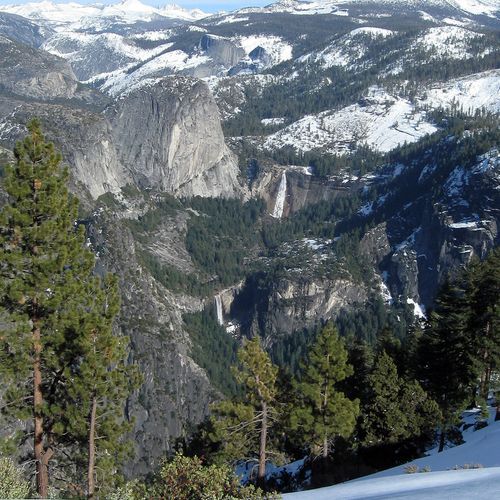
Near Glacier Point
Glacier Point · about 0.1 mi away · 464 recorded sightings · Open in Maps
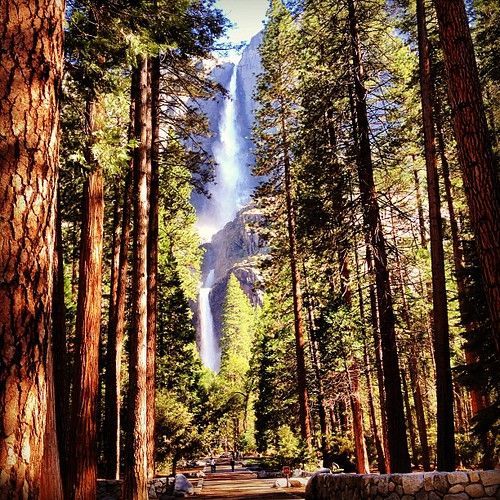
At Falls View
Yosemite Valley · 449 recorded sightings · Open in Maps
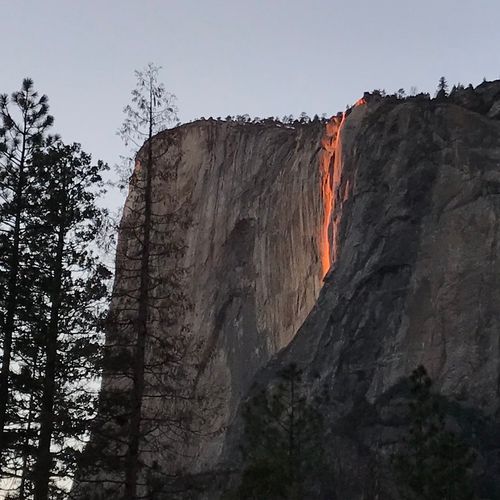
Near Horsetail Fall viewing position
Yosemite Valley · about 0.8 mi away · 302 recorded sightings · Open in Maps
Glacier Point
About Glacier Point · 219 recorded sightings · Open in Maps
Yosemite Valley
About Yosemite Valley · 198 recorded sightings · Open in Maps
Near Curry Village
Glacier Point · about 0.2 mi away · 196 recorded sightings · Open in Maps
Near Glacier Point
Glacier Point · about 0.2 mi away · 190 recorded sightings · Open in Maps
Near Curry Village
Glacier Point · about 0.4 mi away · 164 recorded sightings · Open in Maps
Near Yosemite Valley Welcome Center
Yosemite Valley · about 0.2 mi away · 149 recorded sightings · Open in Maps
Near Housekeeping Camp
Yosemite Valley · about 0.2 mi away · 124 recorded sightings · Open in Maps
The 10 spots with the most sightings, of 20 on the map.
A viewing spot is a place where visitors have photographed and reported the animal many times. Wild animals move: a spot raises your chances, it doesn't promise a sighting. Keep the distance the park asks for.
When is the best time to see White-headed Woodpecker in Yosemite National Park?
Most sightings are recorded from April through July, with the most in June.
- January: 61 sightings
- February: 23 sightings
- March: 46 sightings
- April: 190 sightings
- May: 338 sightings
- June: 374 sightings
- July: 196 sightings
- August: 93 sightings
- September: 111 sightings
- October: 111 sightings
- November: 111 sightings
- December: 10 sightings
Recorded sightings in Yosemite National Park by month, 1,664 in all. The count follows visitors as well as animals: a quiet month can mean few people were there to report.
Key facts
- Type
- Bird
- Scientific name
- Leuconotopicus albolarvatus
- Mapped viewing spots
- 20
- Most sightings
- April through July
- Recorded sightings
- 1,664
About the White-headed Woodpecker
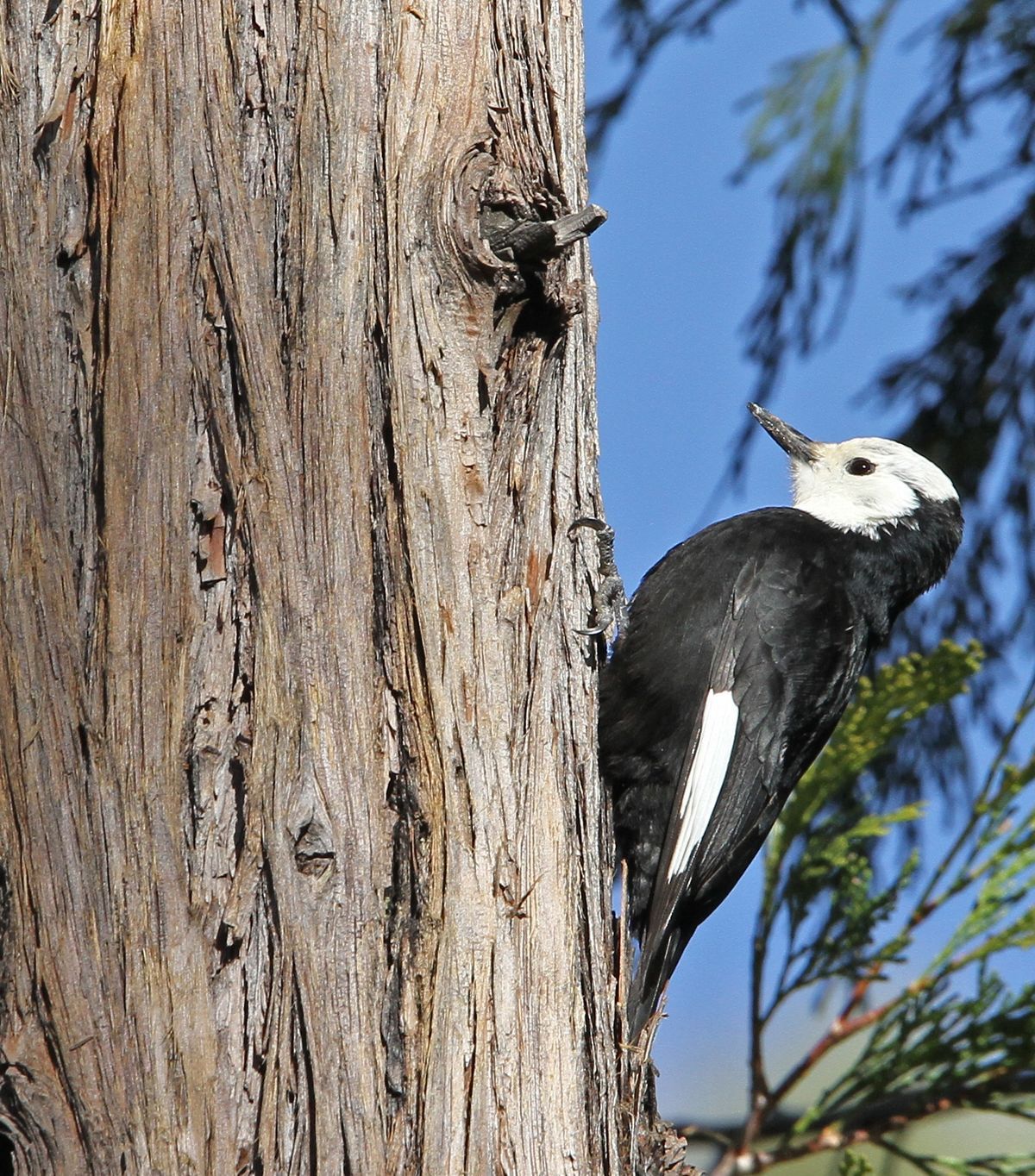
A striking medium-sized woodpecker, the white-headed woodpecker typically measures about 7–9 inches (18–23 cm). Adults wear a clean, white head and neck that contrast sharply with a mostly black body and wings. Look for a bold white patch across the folded wings and a white belly; males show a small red patch on the back of the head. Its sturdy, chisel-like bill and stiff tail help it cling to trunks and large limbs while it probes for food.
You’ll find this resident bird in montane pine forests of western North America, where it favors mature stands of pines and open conifer woods. It forages along trunks, branches and pine cones, feeding on a mix of insect prey (including beetle larvae) and seeds—especially pine seeds. White-headed woodpeckers often work alone or in pairs rather than in large flocks, excavate nest cavities in dead or dying trees, and are generally less noisy than some other woodpeckers, so a flash of white in the canopy or the sound of focused pecking is a good clue to their presence.
The species is not migratory and is generally considered stable, but it depends on healthy, mature pine forests. Park visitors can help by respecting closures around nesting snags, avoiding removal of dead trees when allowed, and reporting sightings to help staff track local populations. Seeing one is a reminder of the importance of old-growth and fire-shaped pine ecosystems in your park.