Wildlife · Bird · Yosemite National Park
Mountain Bluebird in Yosemite National Park
In Yosemite National Park, the Mountain Bluebird is recorded most often in Yosemite Valley. Most sightings are recorded from April through September, with the most in July.
Where can you see Mountain Bluebird in Yosemite National Park?
Yosemite Valley · about 0.3 mi away · 161 recorded sightings · Open in Maps
A viewing spot is a place where visitors have photographed and reported the animal many times. Wild animals move: a spot raises your chances, it doesn't promise a sighting. Keep the distance the park asks for.
When is the best time to see Mountain Bluebird in Yosemite National Park?
Most sightings are recorded from April through September, with the most in July.
- January: 0 sightings
- February: 0 sightings
- March: 19 sightings
- April: 36 sightings
- May: 49 sightings
- June: 78 sightings
- July: 85 sightings
- August: 48 sightings
- September: 59 sightings
- October: 19 sightings
- November: 0 sightings
- December: 0 sightings
Recorded sightings in Yosemite National Park by month, 393 in all. The count follows visitors as well as animals: a quiet month can mean few people were there to report.
Key facts
- Type
- Bird
- Scientific name
- Sialia currucoides
- Mapped viewing spots
- 1
- Most sightings
- April through September
- Recorded sightings
- 393
About the Mountain Bluebird
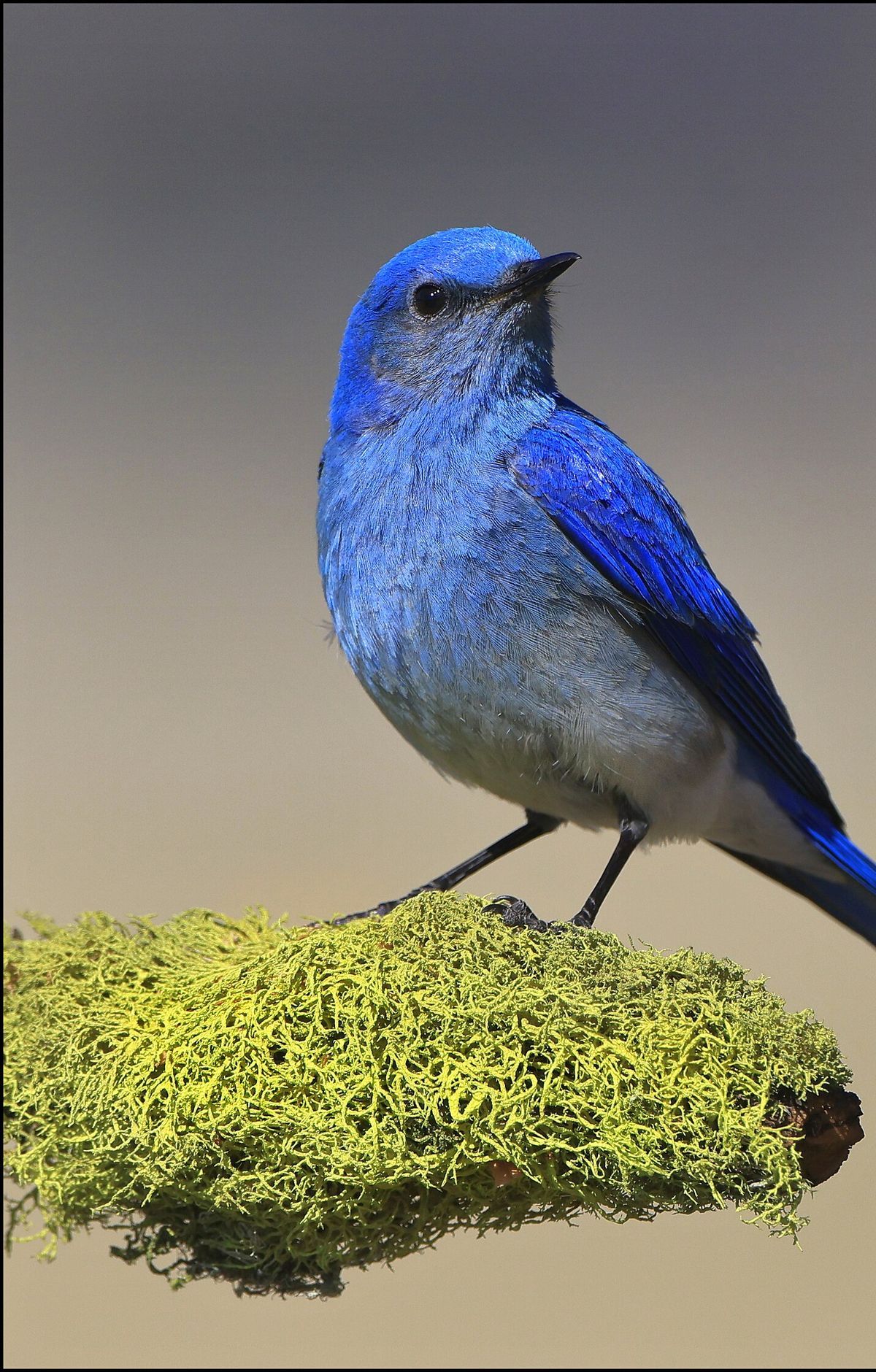
A small, slim songbird about sparrow-to-robin size, the mountain bluebird catches the eye with clean lines and vivid color. Adult males are bright turquoise blue, slightly paler underneath, with a thin bill and dark eyes set against a light underbelly. Females appear more muted—duller blue on the wings and tail with a gray crown, throat and breast—but in fresh fall plumage their throat and breast show a warm red‑orange wash that turns brownish near the flanks, contrasting with pale tail underparts.
This migratory thrush lives in mountainous districts of western North America and favors open country where it can hunt. It feeds on spiders, grasshoppers, flies and other insects, and also takes small fruits, making it an omnivore. Mountain bluebirds forage actively and are often seen scanning from low perches before sallying out for prey. Their voice is distinctive: a thin, simple “few” call and a warbled, high “chur chur” song that carries across meadows and ridgelines. In the wild they commonly live 6 to 10 years.
For park visitors the mountain bluebird offers easy identification and seasonal interest—bright males stand out against open skies, while subtler females reward a closer look. They are the state bird of Idaho and Nevada and share a family resemblance with eastern and western bluebirds. Keep an eye for flashes of blue during spring and fall migrations and in summer breeding areas.