Wildlife · Bird · Yosemite National Park
Steller's Jay in Yosemite National Park
In Yosemite National Park, Steller's Jay is recorded most often in Yosemite Valley, Glacier Point and Tenaya Lake. Most sightings are recorded from April through October, with the most in July.
Where can you see Steller's Jay in Yosemite National Park?
Tenaya Lake
About Tenaya Lake · 1,300 recorded sightings · Open in Maps
Near Falls View
Yosemite Valley · about 0.1 mi away · 1,034 recorded sightings · Open in Maps
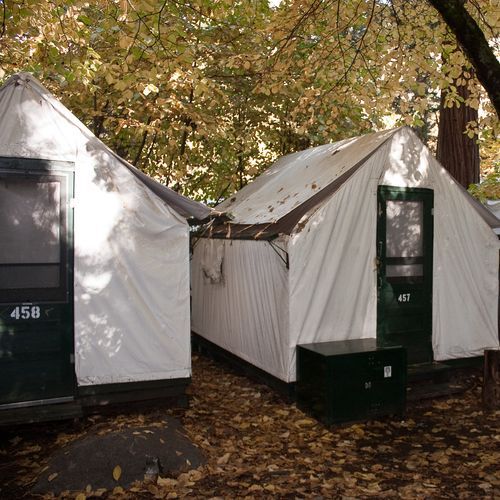
Near Curry Village
Glacier Point · about 0.1 mi away · 950 recorded sightings · Open in Maps
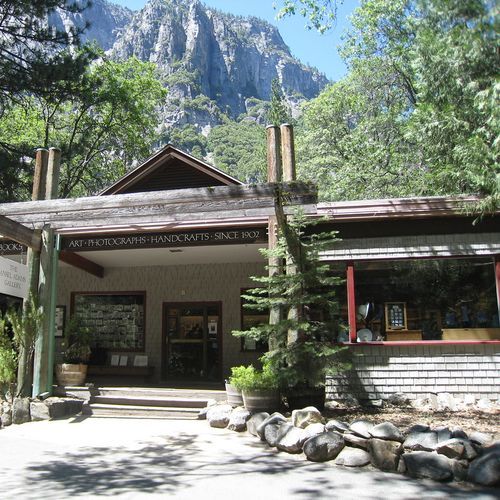
At Yosemite Exploration Center
Yosemite Valley · 857 recorded sightings · Open in Maps
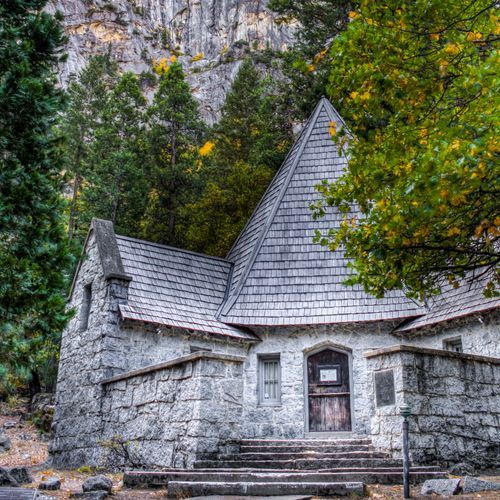
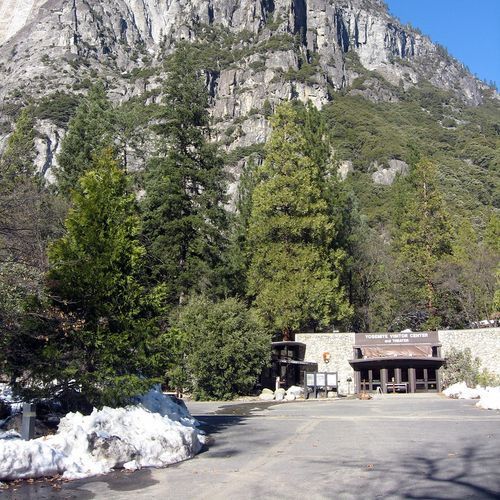
At Yosemite Valley Welcome Center
Yosemite Valley · 795 recorded sightings · Open in Maps
At Vernal Fall
Glacier Point · 783 recorded sightings · Open in Maps
Yosemite Valley · 609 recorded sightings · Open in Maps
Near Falls View
Yosemite Valley · about 0.2 mi away · 541 recorded sightings · Open in Maps
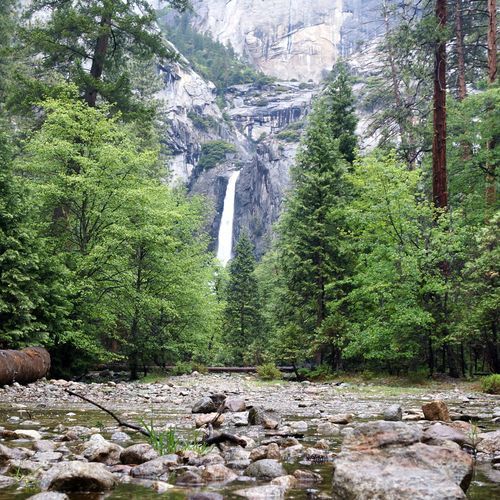
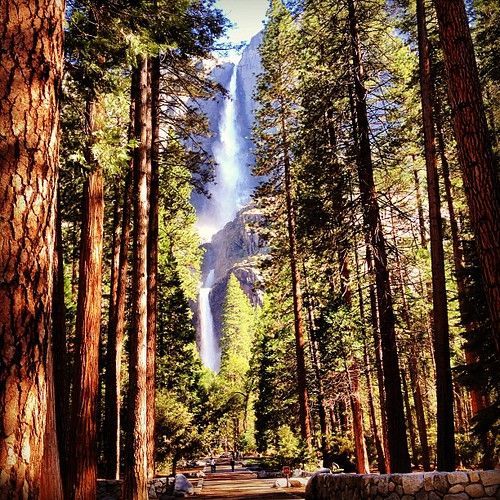
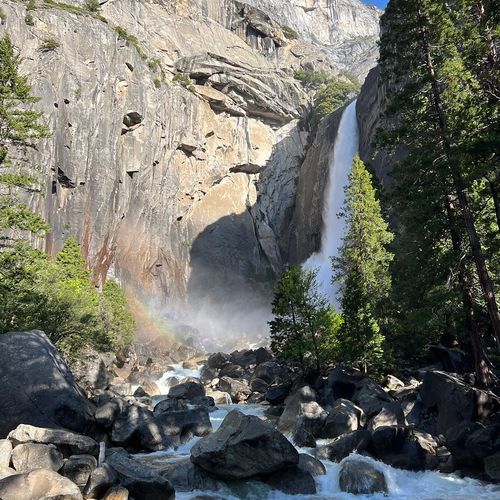
Near Lower Yosemite Fall
Yosemite Valley · about 0.1 mi away · 534 recorded sightings · Open in Maps
Tenaya Lake
About Tenaya Lake · 473 recorded sightings · Open in Maps
The 10 spots with the most sightings, of 63 on the map.
A viewing spot is a place where visitors have photographed and reported the animal many times. Wild animals move: a spot raises your chances, it doesn't promise a sighting. Keep the distance the park asks for.
When is the best time to see Steller's Jay in Yosemite National Park?
Most sightings are recorded from April through October, with the most in July.
- January: 35 sightings
- February: 72 sightings
- March: 273 sightings
- April: 893 sightings
- May: 923 sightings
- June: 1,078 sightings
- July: 1,408 sightings
- August: 1,032 sightings
- September: 608 sightings
- October: 497 sightings
- November: 188 sightings
- December: 109 sightings
Recorded sightings in Yosemite National Park by month, 7,116 in all. The count follows visitors as well as animals: a quiet month can mean few people were there to report.
Key facts
- Type
- Bird
- Scientific name
- Cyanocitta stelleri
- Mapped viewing spots
- 63
- Most sightings
- April through October
- Recorded sightings
- 7,116
About the Steller's Jay
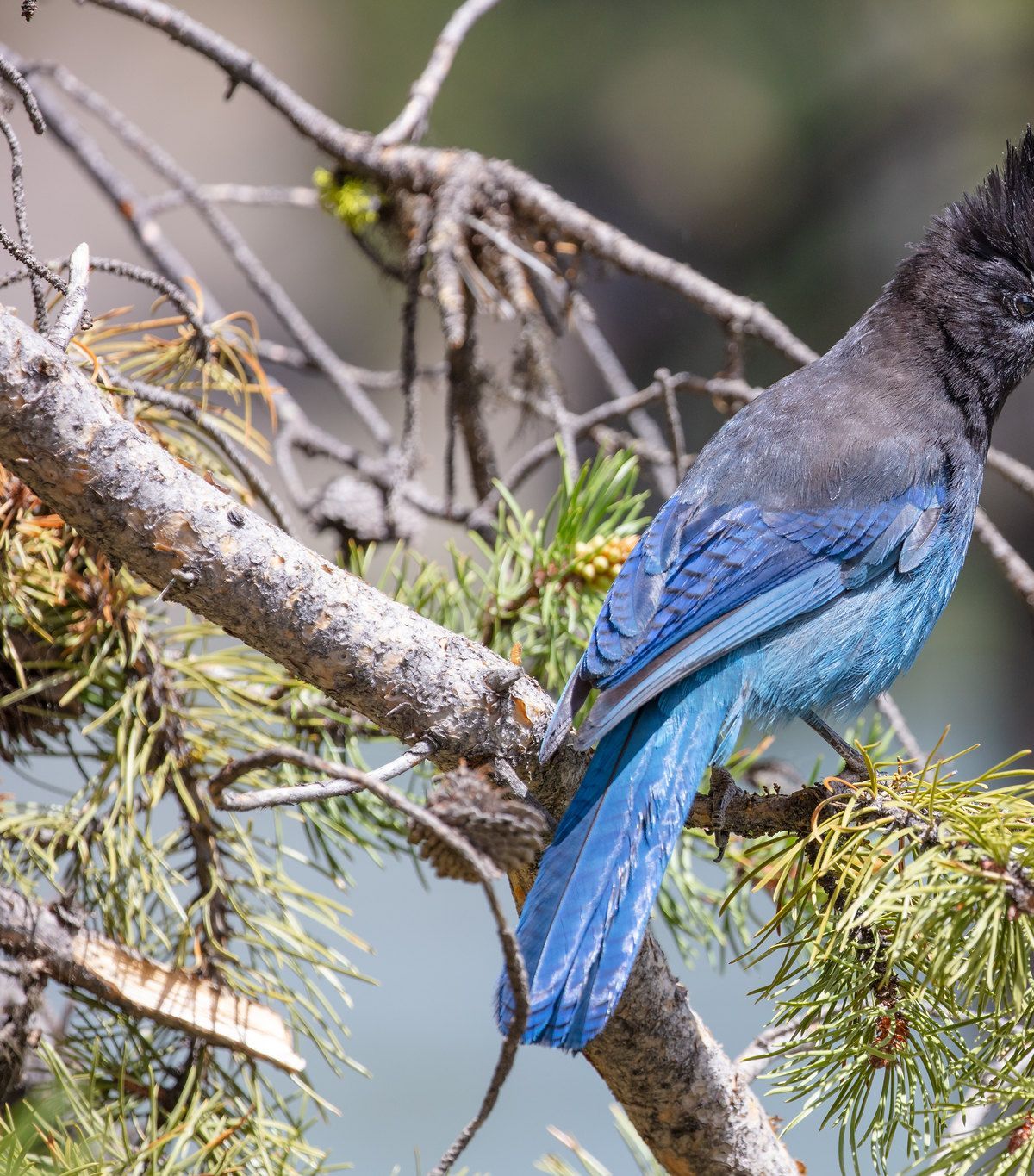
Steller’s jay catches the eye with a sharp, pointed crest and bold blue-and-black plumage. Adults measure roughly 10–13 inches (26–32 cm) from bill to tail, with a sturdy bill, long tail, and bright blue wings and rump contrasted against a darker head and neck. Subtle black barring on the wings and tail and a variety of crest shapes give each bird a slightly different silhouette, but the high, angular crest and intense blue coloring make them unmistakable at a glance.
You’ll find Steller’s jays in pine-oak and coniferous forests, often near trails, overlooks and campgrounds where trees and human activity meet. They feed on seeds, nuts, berries, insects and small vertebrates, and readily scavenge human food—so they’re frequently the bold, curious birds that hop onto picnic tables. Steller’s jays are vocal and clever: they produce a range of harsh calls and mimic sounds in their environment, cache food for later, and will mob predators to defend nests. Their confidence and noisy behavior make them one of the most conspicuous and entertaining forest birds.
Common and adaptable, Steller’s jays are not currently at risk, but they thrive best when left wild—avoid feeding them to keep them healthy and independent. Visitors enjoy watching their personality: watchful, talkative, and unmistakably crested—a true character of western forests and mountain parks.
Some sightings in Yosemite National Park are recorded under a subspecies: Blue-fronted Steller's Jay (Cyanocitta stelleri frontalis).