Wildlife · Mammal · Yosemite National Park
Coyote in Yosemite National Park
In Yosemite National Park, the Coyote is recorded most often in Yosemite Valley and Glacier Point. Most sightings are recorded from March through July, with the most in March.
Where can you see Coyote in Yosemite National Park?
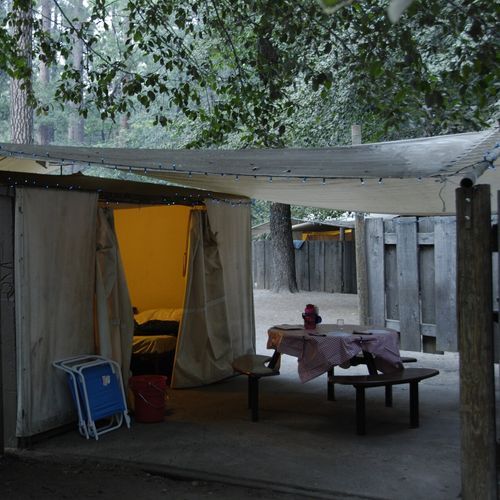
At The Ahwahnee
Yosemite Valley · 423 recorded sightings · Open in Maps
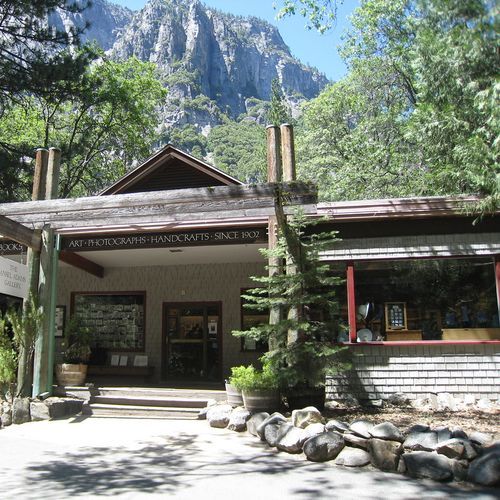
Near Yosemite Museum & Library
Yosemite Valley · about 0.2 mi away · 153 recorded sightings · Open in Maps
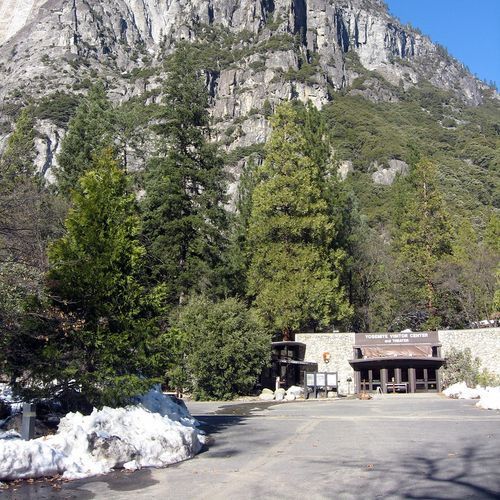
Near Yosemite Valley Welcome Center
Yosemite Valley · about 0.2 mi away · 149 recorded sightings · Open in Maps
Glacier Point · 130 recorded sightings · Open in Maps
Yosemite Valley · about 0.4 mi away · 94 recorded sightings · Open in Maps
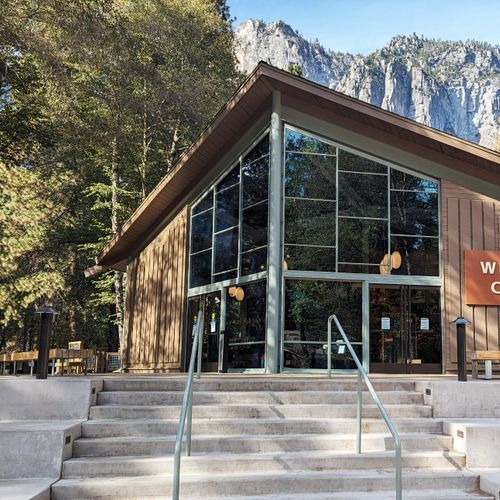
Near Yosemite Valley Welcome Center
Yosemite Valley · about 0.3 mi away · 85 recorded sightings · Open in Maps
A viewing spot is a place where visitors have photographed and reported the animal many times. Wild animals move: a spot raises your chances, it doesn't promise a sighting. Keep the distance the park asks for.
When is the best time to see Coyote in Yosemite National Park?
Most sightings are recorded from March through July, with the most in March.
- January: 103 sightings
- February: 26 sightings
- March: 124 sightings
- April: 107 sightings
- May: 90 sightings
- June: 71 sightings
- July: 43 sightings
- August: 19 sightings
- September: 54 sightings
- October: 89 sightings
- November: 42 sightings
- December: 121 sightings
Recorded sightings in Yosemite National Park by month, 889 in all. The count follows visitors as well as animals: a quiet month can mean few people were there to report.
Key facts
- Type
- Mammal
- Scientific name
- Canis latrans
- Mapped viewing spots
- 6
- Most sightings
- March through July
- Recorded sightings
- 889
About the Coyote
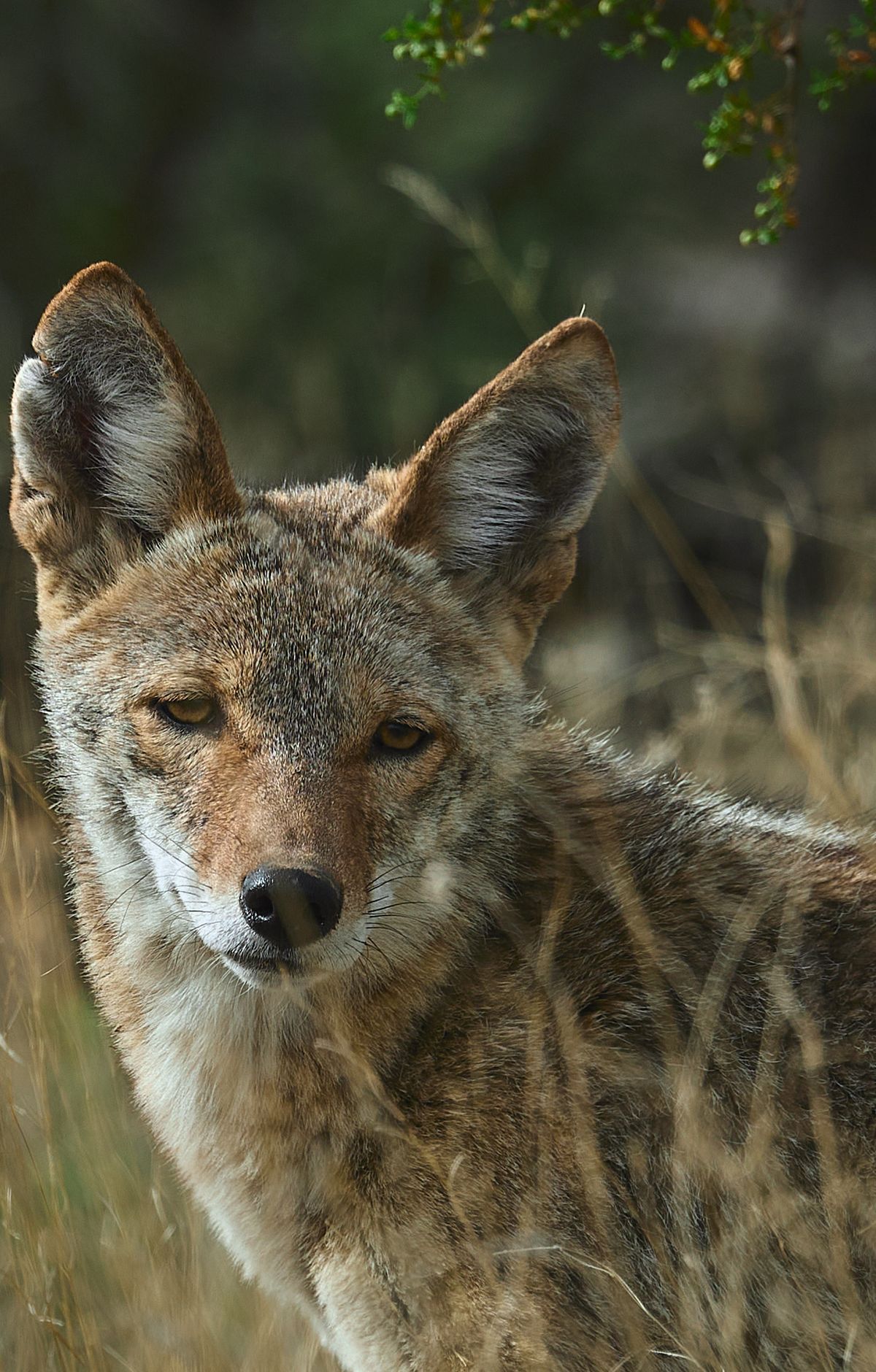
The coyote is a medium-sized canine with a lean, fox-like face, pointed ears and a bushy tail. Males typically weigh 8–20 kg (18–44 lb) and females 7–18 kg (15–40 lb), so they look noticeably smaller than gray wolves. Their fur blends light gray, reddish-brown and fulvous tones with black-and-white guard hairs, producing a mottled, camouflaged coat. Coyotes often carry their tails low and move with quick, purposeful strides; their voices range from high yips to a wavering howl that shifts rapidly in tone and pitch.
Coyotes live across a wide variety of habitats—from grasslands and deserts to forests and city edges—and they adapt quickly to human-altered landscapes. They hunt opportunistically, feeding mainly on rabbits, rodents and small ungulates like deer, but they also take birds, reptiles, amphibians, fish, invertebrates and seasonal fruit. You’ll most likely notice them at dawn or dusk when they travel, call and hunt; they may travel alone, in family pairs, or in loose packs of unrelated individuals. Coyotes scavenge when they can and use clever, flexible behaviors to exploit new food sources and environments.
Parks list coyotes as abundant and of least conservation concern, but they remain wary of humans and face threats from vehicle collisions and predator interactions. In some regions coyotes interbreed with wolf relatives, producing larger “coywolf” mixes—an interesting example of ongoing adaptation. For your safety and theirs, observe coyotes from a distance, secure food and pets, and enjoy listening for their distinctive calls at dusk.