Wildlife · Mammal · Yosemite National Park
American Black Bear in Yosemite National Park
In Yosemite National Park, the American Black Bear is recorded most often in Yosemite Valley, Tenaya Lake and Mariposa Grove & Wawona. Most sightings are recorded from April through November, with the most in June.
Where can you see American Black Bear in Yosemite National Park?
Tenaya Lake
About Tenaya Lake · 1,300 recorded sightings · Open in Maps
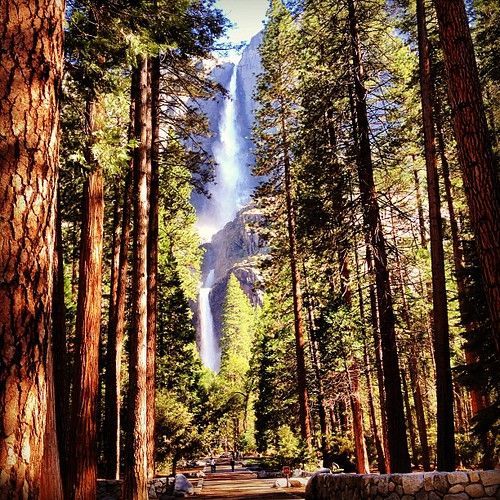
Near Falls View
Yosemite Valley · about 0.2 mi away · 541 recorded sightings · Open in Maps
Tenaya Lake
About Tenaya Lake · 473 recorded sightings · Open in Maps
Yosemite Valley · 360 recorded sightings · Open in Maps
Near Falls View
Yosemite Valley · about 0.3 mi away · 263 recorded sightings · Open in Maps
Near Falls View
Yosemite Valley · about 0.1 mi away · 209 recorded sightings · Open in Maps
Yosemite Valley · about 0.2 mi away · 179 recorded sightings · Open in Maps
Viewing spot 8
161 recorded sightings · Open in Maps
Near Falls View
Yosemite Valley · about 0.3 mi away · 156 recorded sightings · Open in Maps
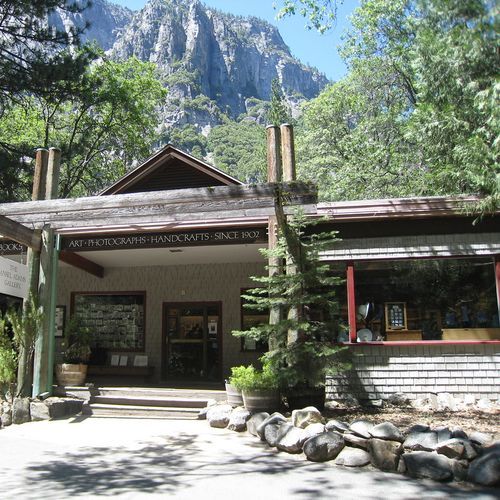
Near Yosemite Museum & Library
Yosemite Valley · about 0.2 mi away · 153 recorded sightings · Open in Maps
The 10 spots with the most sightings, of 17 on the map.
A viewing spot is a place where visitors have photographed and reported the animal many times. Wild animals move: a spot raises your chances, it doesn't promise a sighting. Keep the distance the park asks for.
When is the best time to see American Black Bear in Yosemite National Park?
Most sightings are recorded from April through November, with the most in June.
- January: 10 sightings
- February: 11 sightings
- March: 33 sightings
- April: 195 sightings
- May: 212 sightings
- June: 476 sightings
- July: 465 sightings
- August: 366 sightings
- September: 196 sightings
- October: 317 sightings
- November: 171 sightings
- December: 61 sightings
Recorded sightings in Yosemite National Park by month, 2,513 in all. The count follows visitors as well as animals: a quiet month can mean few people were there to report.
Key facts
- Type
- Mammal
- Scientific name
- Ursus americanus
- Mapped viewing spots
- 17
- Most sightings
- April through November
- Recorded sightings
- 2,513
About the American Black Bear
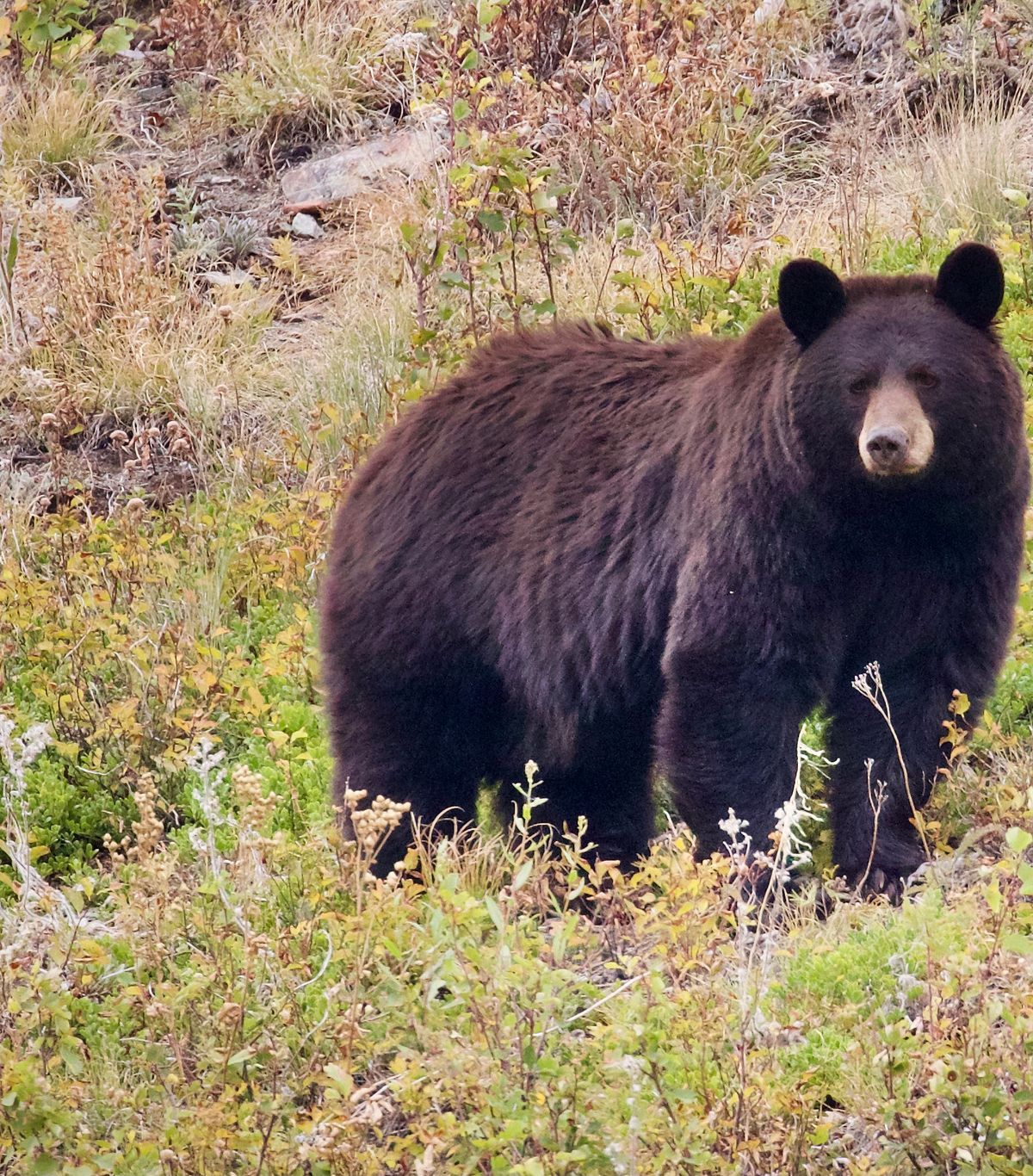
The American black bear is a medium-sized, muscular animal with a compact body, rounded ears and a straight facial profile. Although often black, its coat can range from cinnamon to blond or even blue-gray, and it has a short, stubby tail and strong, non-retractable claws. Adults look bulky but move with surprising agility; you may spot a bear climbing a tree or padding quietly along a ridge. Mothers and cubs travel together, while adults usually keep to themselves.
You most often find black bears in forested country where trees, shrubs and streams provide cover and food, but they readily leave woods to forage. They are omnivores with a seasonal diet—spring and summer bring grasses, berries, nuts and insects, while meat and carrion supplement their meals when available. Bears have an excellent sense of smell and learn quickly where calories are easy to find, which is why they sometimes visit campsites and neighborhoods. They spend winter in a lower-energy state, denning for extended periods depending on climate and food supply.
Black bears are widespread and not currently threatened, but they thrive or falter based on how people manage attractants. For your safety and the bears’ well-being, keep a respectful distance, never feed wildlife, and secure food, coolers and trash in bear-proof containers. Seeing a black bear in the wild is a memorable experience—observe quietly, give it space, and leave the area as you found it.
Some sightings in Yosemite National Park are recorded under a subspecies: California Black Bear (Ursus americanus californiensis).