Wildlife · Bird · Yosemite National Park
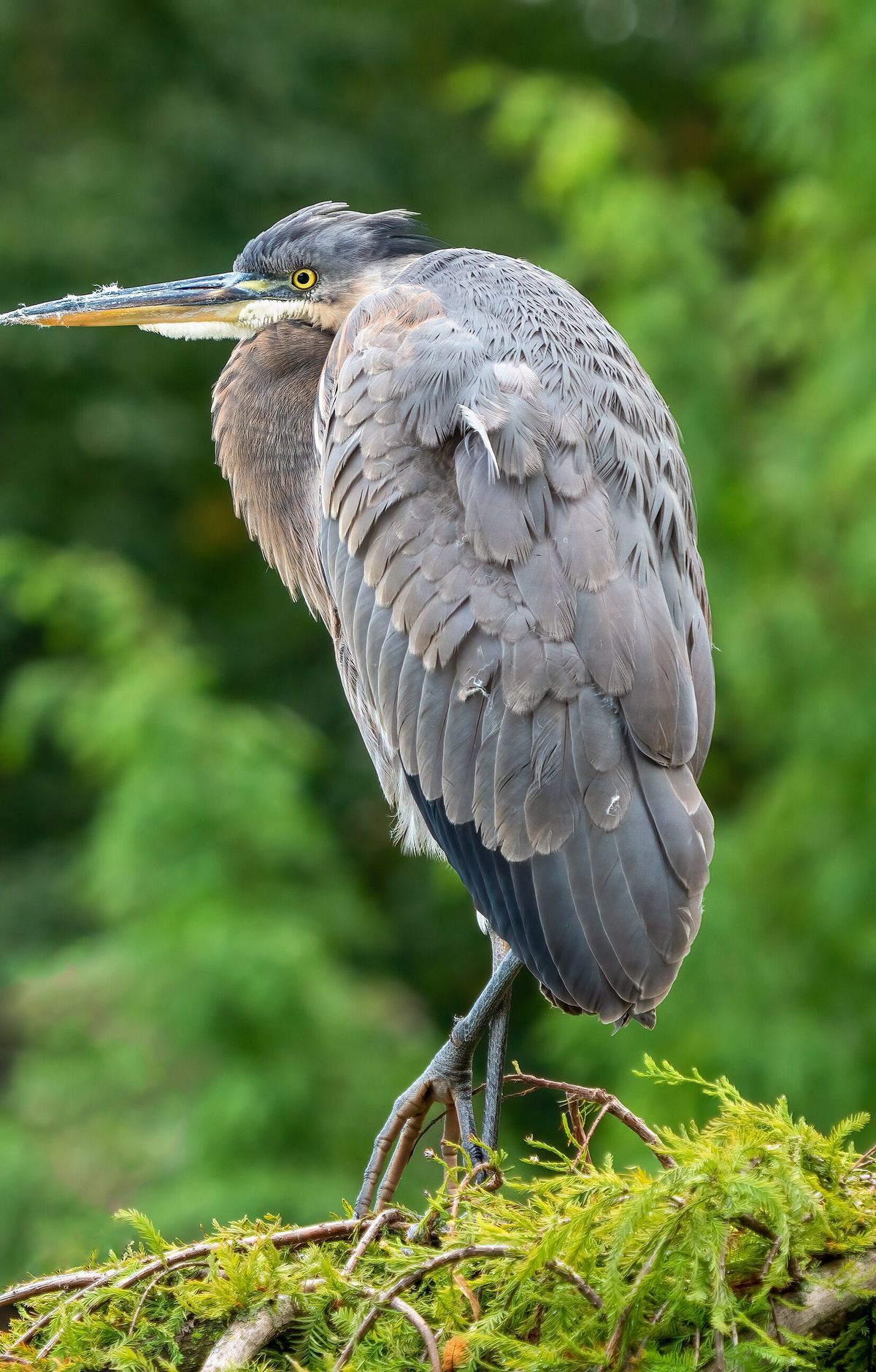
Great Blue Heron in Yosemite National Park
In Yosemite National Park, the Great Blue Heron is recorded most often in Mariposa Grove & Wawona, Yosemite Valley and Glacier Point. Most sightings are recorded from September through October, with the most in September.
Where can you see Great Blue Heron in Yosemite National Park?
At Wawona Visitor Center at Hill's Studio
Mariposa Grove & Wawona · 115 recorded sightings · Open in Maps
Yosemite Valley
About Yosemite Valley · 101 recorded sightings · Open in Maps
At Nature Center at Happy Isles
Glacier Point · 82 recorded sightings · Open in Maps
A viewing spot is a place where visitors have photographed and reported the animal many times. Wild animals move: a spot raises your chances, it doesn't promise a sighting. Keep the distance the park asks for.
When is the best time to see Great Blue Heron in Yosemite National Park?
Most sightings are recorded from September through October, with the most in September.
- January: 1 sighting
- February: 1 sighting
- March: 18 sightings
- April: 8 sightings
- May: 1 sighting
- June: 4 sightings
- July: 20 sightings
- August: 16 sightings
- September: 70 sightings
- October: 35 sightings
- November: 10 sightings
- December: 21 sightings
Recorded sightings in Yosemite National Park by month, 205 in all. The count follows visitors as well as animals: a quiet month can mean few people were there to report.
Key facts
- Type
- Bird
- Scientific name
- Ardea herodias
- Mapped viewing spots
- 3
- Most sightings
- September through October
- Recorded sightings
- 205
About the Great Blue Heron
The great blue heron is an impressive sight, standing up to 4.5 feet tall with a wingspan that can reach nearly 6.5 feet. Its long, slender neck and sharp, pointed beak give it a regal appearance, complemented by striking blue-gray feathers and a distinctive black crown and eye-stripe. When perched, its elegant silhouette is easily recognizable, and during flight, its large wings create a mesmerizing glide over the water.
These majestic birds thrive near the shores of lakes, rivers, and wetlands across North and Central America, often seen wading silently in shallow waters. Their diet primarily consists of fish, frogs, and small invertebrates, which they skillfully catch with their quick, darting strikes. Great blue herons exhibit fascinating behaviors, such as standing still for long periods, waiting patiently for their prey, or engaging in elaborate courtship displays during mating season.
While the great blue heron enjoys a stable population, it faces threats from habitat loss and pollution. Observing these beautiful birds in their natural habitat is a highlight for many park visitors, offering a glimpse into the delicate balance of aquatic ecosystems. Keep an eye out for their graceful movements and striking presence as they navigate their watery domains, making your outdoor experience even more memorable.