Wildlife · Bird · Yosemite National Park
Wood Duck in Yosemite National Park
In Yosemite National Park, the Wood Duck is recorded most often in Yosemite Valley and Glacier Point. Most sightings are recorded from April through October, with the most in August.
Where can you see Wood Duck in Yosemite National Park?
Yosemite Valley
About Yosemite Valley · 429 recorded sightings · Open in Maps
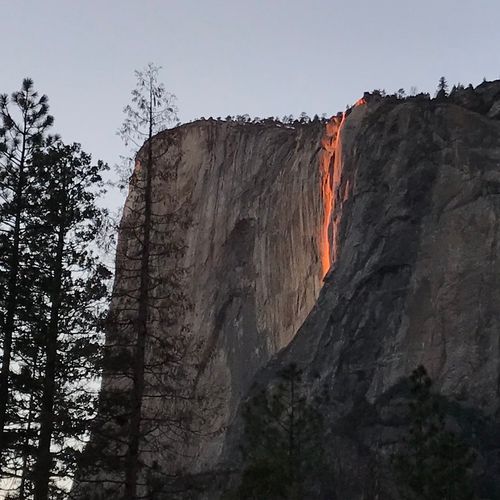
Near Horsetail Fall viewing position
Yosemite Valley · about 0.8 mi away · 302 recorded sightings · Open in Maps
Yosemite Valley
About Yosemite Valley · 268 recorded sightings · Open in Maps
At Nature Center at Happy Isles
Glacier Point · 226 recorded sightings · Open in Maps
Yosemite Valley
About Yosemite Valley · 198 recorded sightings · Open in Maps
Near Nature Center at Happy Isles
Glacier Point · about 0.6 mi away · 97 recorded sightings · Open in Maps
A viewing spot is a place where visitors have photographed and reported the animal many times. Wild animals move: a spot raises your chances, it doesn't promise a sighting. Keep the distance the park asks for.
When is the best time to see Wood Duck in Yosemite National Park?
Most sightings are recorded from April through October, with the most in August.
- January: 22 sightings
- February: 18 sightings
- March: 15 sightings
- April: 37 sightings
- May: 29 sightings
- June: 54 sightings
- July: 62 sightings
- August: 92 sightings
- September: 26 sightings
- October: 54 sightings
- November: 10 sightings
- December: 27 sightings
Recorded sightings in Yosemite National Park by month, 446 in all. The count follows visitors as well as animals: a quiet month can mean few people were there to report.
Key facts
- Type
- Bird
- Scientific name
- Aix sponsa
- Mapped viewing spots
- 6
- Most sightings
- April through October
- Recorded sightings
- 446
About the Wood Duck
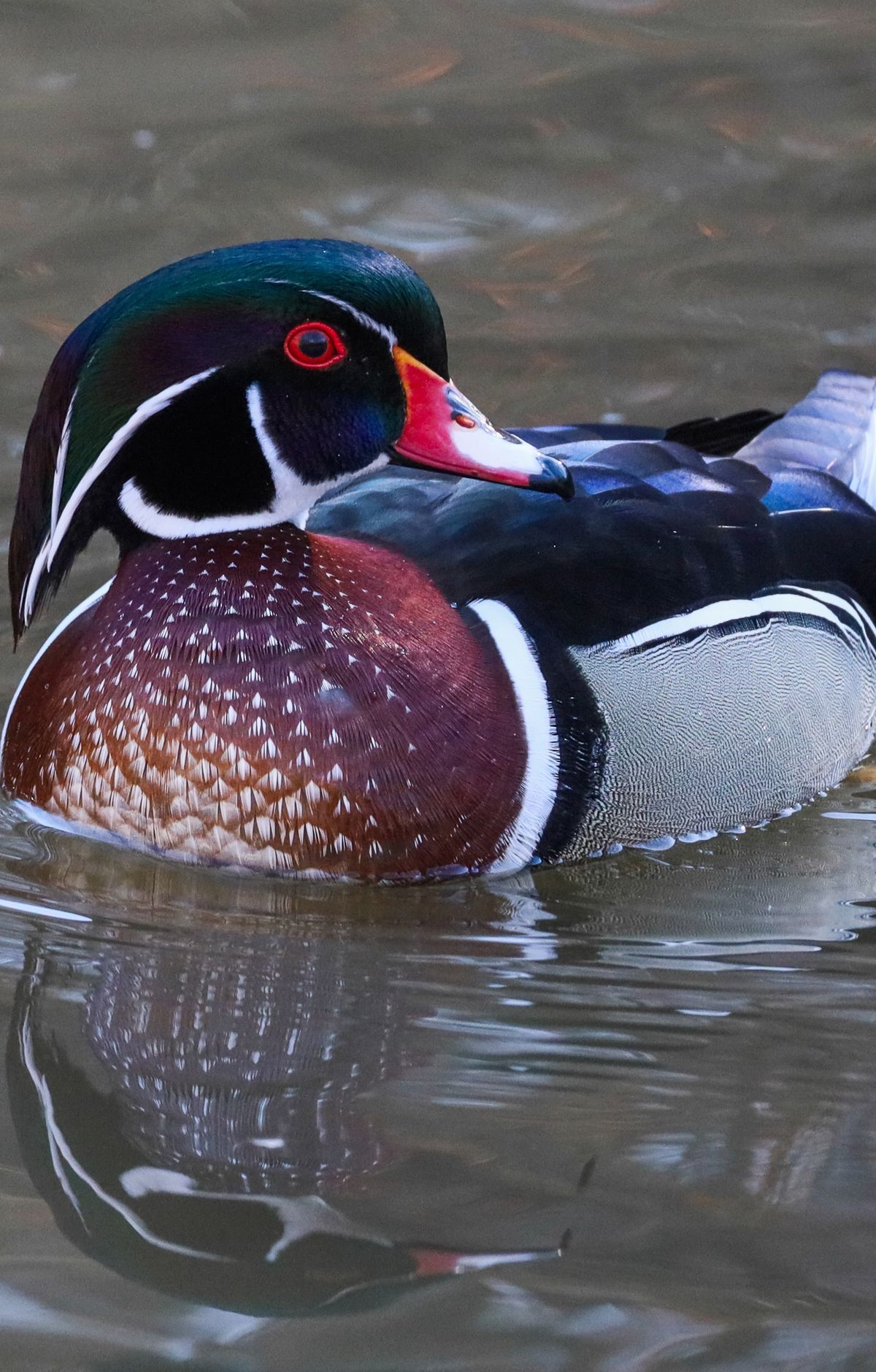
The wood duck, also known as the Carolina duck, is a strikingly beautiful waterfowl that captivates park visitors with its vibrant plumage. Males sport an array of iridescent colors, featuring a green head, red eyes, and a chestnut breast adorned with intricate white patterns. They measure about 20 to 22 inches in length, making them a medium-sized duck. Females are more subdued in color, displaying a grayish-brown body with white facial markings, yet they are equally charming in their own right.
Wood ducks thrive in wooded swamps, marshes, and along the edges of rivers and lakes, favoring areas with abundant vegetation. They are nimble fliers, often seen gracefully gliding through the trees or perching on low branches. Their diet consists mainly of seeds, fruits, and aquatic plants, but they also forage for insects and small invertebrates. One of their most fascinating behaviors is their ability to nest in tree cavities, a rarity among ducks, providing them with safety from predators.
While wood ducks are not currently considered endangered, they face threats from habitat loss and pollution. Park visitors may spot them in the early morning or late afternoon, when they are most active. Observing these stunning birds in their natural habitat is a truly memorable experience, making them a highlight for wildlife enthusiasts exploring North America's national parks.