
Best National Parks for Birding
The parks on this list draw birders for different reasons: seabird colonies on remote islands, migration corridors where tired songbirds drop in by the thousands, and species that breed almost nowhere else. Timing matters more here than at most destinations, because colonies empty out and migrants pass through in narrow windows. Many nesting areas close seasonally, so check current conditions with each park before planning a hike or boat trip.
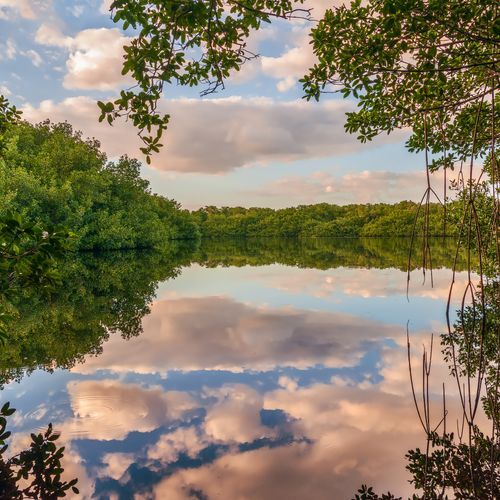
1. Everglades National Park
Florida
Winter is the main season. Roseate Spoonbills and Wood Storks join big mixed gatherings of wading birds in the mangroves, while American White Pelicans circle above. Reddish Egrets and shorebirds feed along Florida Bay, best at high tide. In April and May, warblers and vireos stop over along the Guy Bradley Trail near Flamingo. Summer brings breeding Mangrove Cuckoos and Black-whiskered Vireos, along with heavy mosquitoes that last into fall.
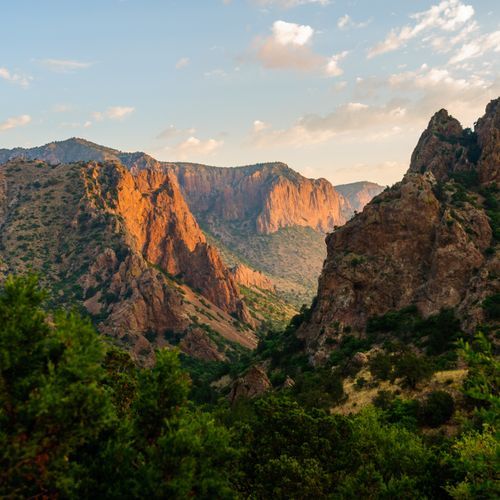
2. Big Bend National Park
Texas
This is the only place in the United States where the Colima Warbler breeds. It reaches the Chisos in the middle of April and is gone by mid-September. Finding one usually means a strenuous climb to the oak and maple woods of Boot Canyon or the high country between Laguna Meadow and the South Rim. Spring migration peaks from late April into early May. Most sightings come near water, especially along the Rio Grande Village Nature Trail.
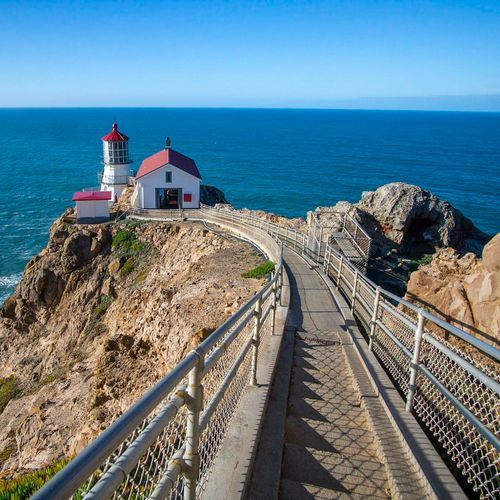
3. Point Reyes National Seashore
California
Close to 490 species have been recorded on this peninsula, which is more than half of North America's birds and more than any other park unit. The coastline juts into the Pacific along the Pacific Flyway, and its shape draws in migrants that would otherwise pass by. Snowy plovers and northern spotted owls get special protection here. At Palomarin, at the southern end of the park, researchers have been counting and banding birds for decades.
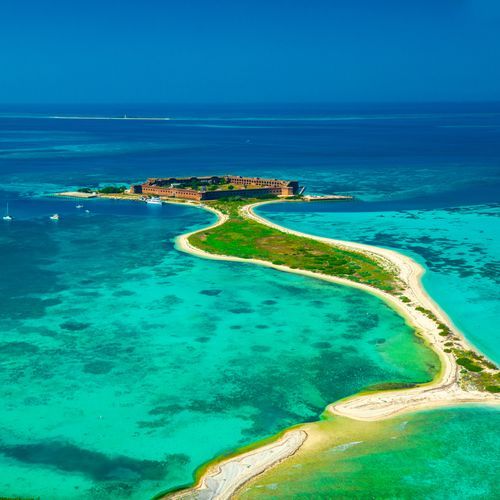
4. Dry Tortugas National Park
Florida
Every year from about February to September, Bush Key closes while tens of thousands of sooty terns and brown noddies nest on it. These are the only significant breeding colonies of either species in the United States. Magnificent frigatebirds and masked boobies also nest here and nowhere else in the contiguous states. In April, waves of migrant warblers rest inside Fort Jefferson's parade grounds, often at close range. Watch for pelagic seabirds on the boat crossing.
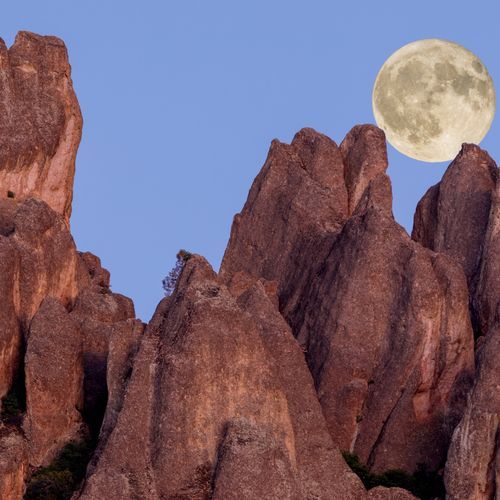
5. Pinnacles National Park
Califonia
Endangered California Condors are the main attraction. Early risers in the High Peaks can sometimes catch them roosting on the rock spires or in gray pines before they lift off on the thermals. From the west side, the Balconies Trail passes cliffs where Prairie Falcons, Golden Eagles and White-throated Swifts hunt. On the east side, Bear Gulch and the Moses Spring Trail are good for wrens. Climbing routes near raptor nests close from January to July.
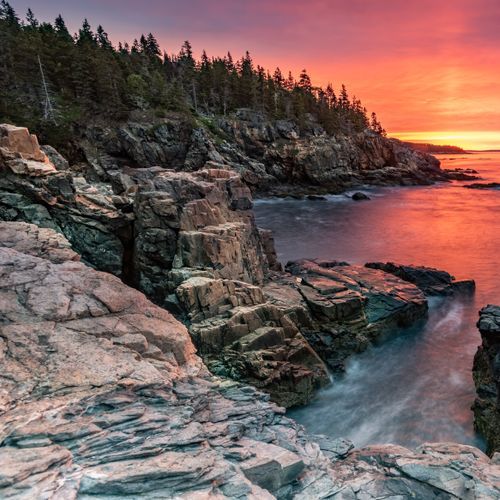
6. Acadia National Park
Maine
Peregrine falcons nest on the cliffs of Champlain Mountain. From March to mid-August the Precipice Trail closes to protect them, and so do the Jordan Cliffs and Valley Cove trails. Rangers run peregrine watch and hawkwatch programs. Songbirds arriving after a night of migration land in the spruce forest at Otter Point in May and September. The boreal Western Mountains host breeding Cape May and Bay-breasted Warblers, but their gravel roads close to cars in winter.
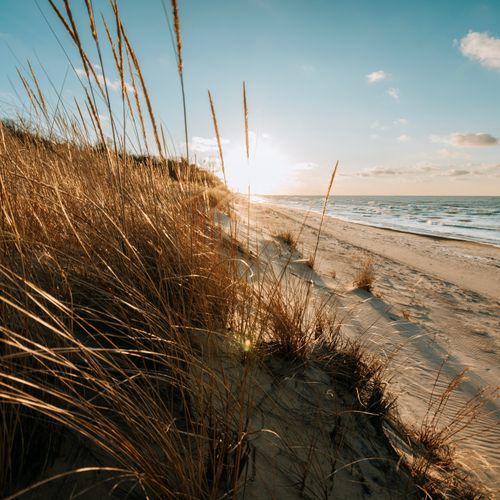
7. Indiana Dunes National Park
Indiana
As southbound birds follow the Lake Michigan shoreline, they are funneled into the dunes at the lake's southern tip. Over 300 species have been recorded, with the heaviest movement in April and May and again in September and October. Watch hawks pass from a dune top, or scope waterfowl from the shore. The Great Marsh trail has a wheelchair-accessible overlook. Heron Rookery no longer has nesting herons, but warblers and spring wildflowers fill its woods.
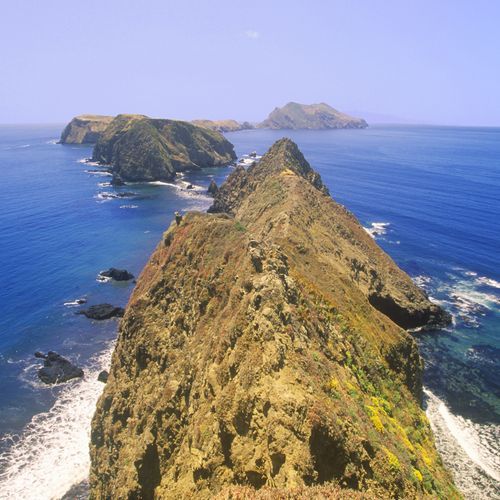
8. Channel Islands National Park
California
The Santa Cruz Island scrub-jay lives on one island and nowhere else in the world. It is often seen around the picnic tables near Scorpion Anchorage. The islands also hold the West Coast's only nesting California brown pelicans and the largest population of Scripps's murrelets anywhere. On Anacapa, western gulls nest right beside the path out to Inspiration Point between April and the middle of August. Stay about 100 yards from cliffs and rocks where birds are nesting.
9. Haleakalā National Park
Hawaii
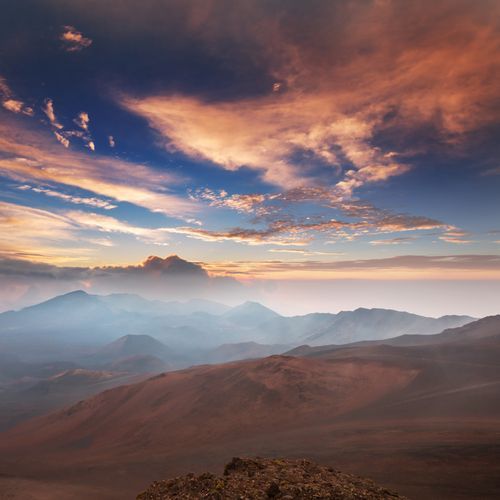
More endangered species live here than in any other US national park, and some of the birds near the summit are found nowhere else. The endangered nēnē, once found across all the Hawaiian islands, now survives on only four, Maui among them. Birds often wander through parking lots and onto roads, so drive at the speed limit, stop for crossing wildlife, and never feed them. In East Maui forests, the kiwikiu and ʻākohekohe are nearly extinct, threatened by mosquito-borne disease.
10. Kenai Fjords National Park
Alaska
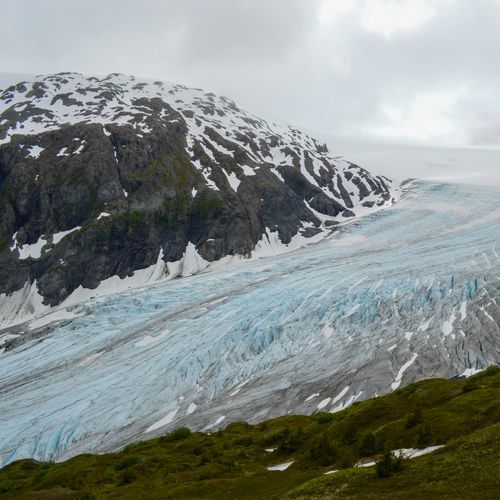
Much of this coastline can only be reached by water. Local companies run boat tours out of Seward's small boat harbor every day in summer, and booking ahead is wise. The boats pass seabird cliffs with puffins and cormorants and the tidewater glaciers. Bald eagles are common on the fjord walls. Kayakers who camp on the beaches should check for Black Oystercatcher nests, which blend into the gravel, and pitch their tents well away from them.
11. Glacier Bay National Park & Preserve
Alaska
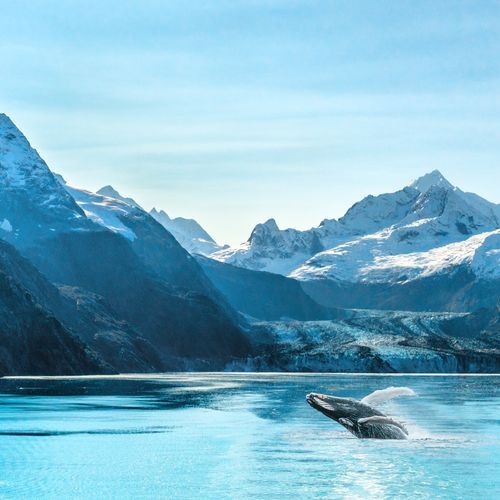
Day boats stop beside South Marble Island, where Tufted and Horned Puffins nest among Common Murres, Pelagic Cormorants and Black-legged Kittiwakes, while Steller sea lions roar on the rocks below. Birds peak from May to mid-September, and the colonies are mostly empty by September 1. Bartlett Cove and the Bartlett River estuary draw migrants. From mid-May through August, boats must keep 100 yards from several closed nesting islands.
Best parks by month
Best parks by theme
- Big Trees
- Tide Pooling
- Epic Hikes
- Geologic Wonders
- Human History
- Wildlife Watching
- Dark Skies
- Waterfalls
- Volcanic Landscapes
- Geysers & Hot Springs
- Caves
- Glaciers
- Sand Dunes
- Canyons
- Mountain Majesty
- Desert Landscapes
- Beaches
- Snorkeling & Diving
- Paddling
- Scenic Drives
- Fall Color
- Wildflowers
- Winter Adventures
- Wild & Remote
- Great with Kids
- Fossils