
Best National Parks for Mountain Views
Every park here is defined by its high country: summits, passes and tundra above tree line. Some put big peaks within reach of a car, like Trail Ridge Road in Rocky Mountain or Logan Pass in Glacier. Others, such as Gates of the Arctic, demand bush planes and serious backcountry skills. Altitude, weather and permits shape many of these trips, and road and trail status can change, so check current conditions before going.
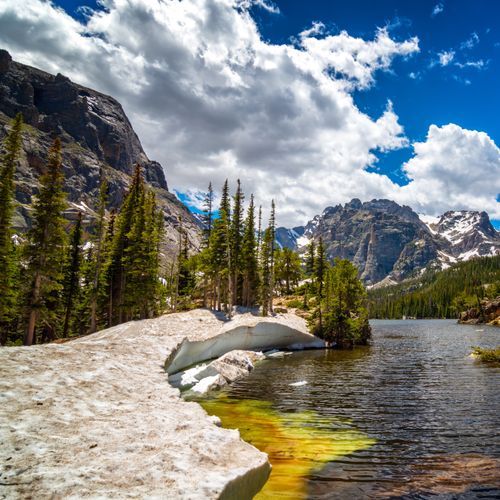
1. Rocky Mountain National Park
Colorado
Sixty summits top 12,000 feet, and 14,259-foot Longs Peak is the park's lone summit over 14,000. Drivers cross the Continental Divide on Trail Ridge Road, which climbs higher than any other paved through route in the park system. Forest Canyon Overlook looks across a forested canyon to Longs. The Chapin, Chiquita and Ypsilon hike climbs three Mummy Range summits from Fall River Road, so turn back if storms build. Above 11,000 feet, breathing gets harder.
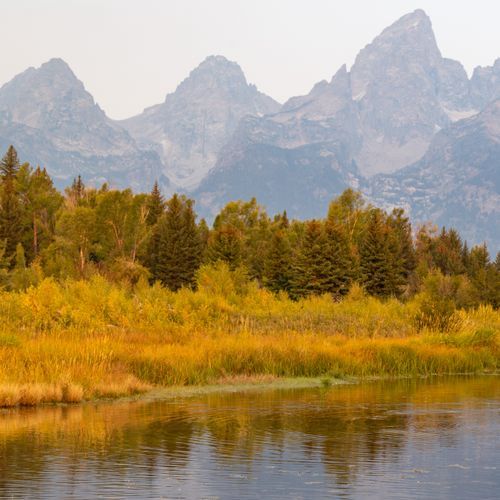
2. Grand Teton National Park
Wyoming
With no foothills in the way, the Teton Range climbs straight out of the Jackson Hole valley floor along a 40-mile fault-block front. From Lupine Meadows Trailhead, a strenuous route gains 3,000 feet over five miles to Surprise Lake, then continues to Amphitheater Lake beneath Disappointment Peak. Up high, expect wildflowers, snow and little shade, so carry sun protection. Backcountry spots such as Death Canyon Shelf can run dry in late summer.
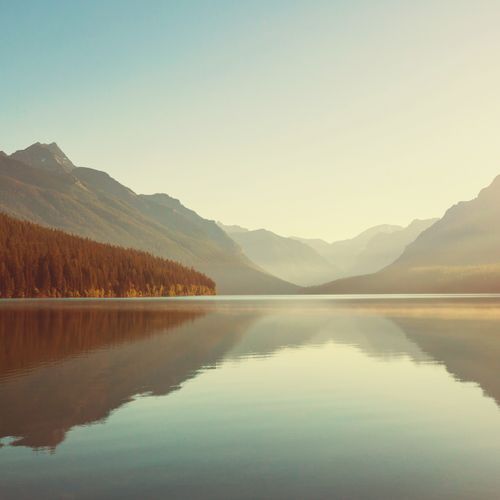
3. Glacier National Park
Montana
Going-to-the-Sun Road tops out at Logan Pass, 6,646 feet up on the Continental Divide and the highest point drivers can reach in the park. Jagged peaks, wildflower meadows, bighorn sheep and mountain goats surround the pass, where the Hidden Lake and Highline trails begin. The lot fills early, so the shuttle is the surer bet. On the east side, sunrise at Swiftcurrent Lake can light Grinnell Point with alpenglow.
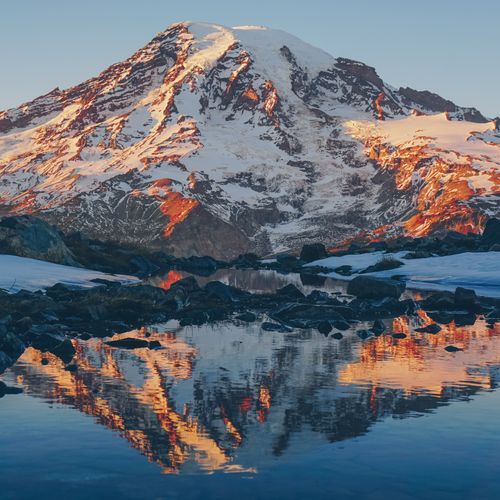
4. Mount Rainier National Park
Washington
No mountain in the contiguous states stands out more from the land around it than this peak of more than 14,400 feet, and it dominates two high viewpoints. Paradise, around 5,400 feet on the south slope, is the busiest area, and its Pinnacle Peak Trail also looks south to Mount Adams and Mount St. Helens. Sunrise, at 6,400 feet the highest spot reachable by car, faces Emmons Glacier, and its meadows fill with wildflowers in summer.
5. Denali National Park & Preserve
Alaska
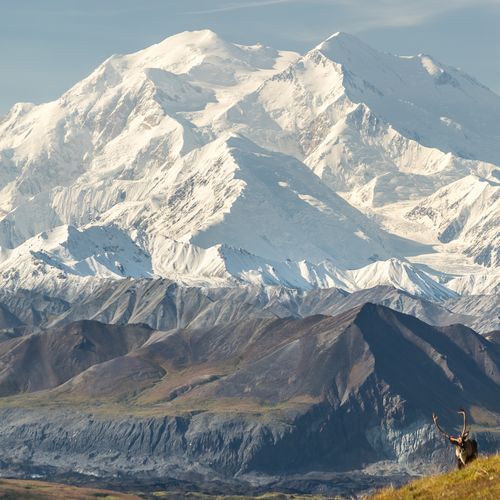
At 20,310 feet, the park's central summit is the tallest in North America. Its 18,000 feet of vertical relief from base to top is the greatest of any mountain in the world. A single 92-mile road is the only way in, with trails near the entrance and tree line around 3,000 feet. Beyond the road, more than a million acres of Alaska Range glaciers around Denali and Mount Foraker draw climbers and skiers who arrive by ski-equipped aircraft.
6. North Cascades National Park
Washington
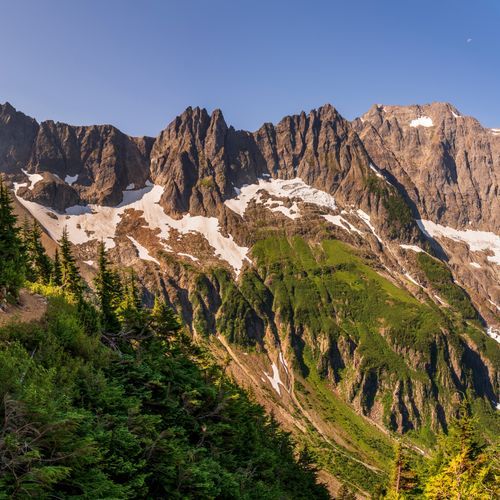
Sharp, glaciated summits crowd this wilderness, from Goode Mountain at 9,220 feet in the remote south to Mount Shuksan, the much-photographed peak in the northwest corner. Climbers come for routes like pyramid-shaped Forbidden Peak, named on a well-known list of the continent's fifty best climbs, and only removable protection is allowed. Hikers can take Cascade River Road to the 9-mile Hidden Lake trail, which looks out on Sahale, Forbidden and Boston peaks. There is no entrance fee.
7. Yosemite National Park
California
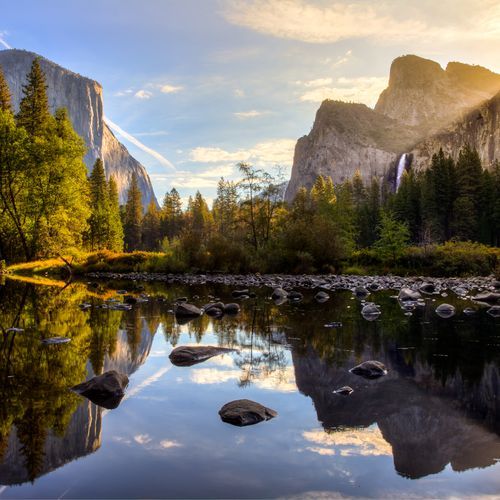
Far above the valley floor, the Tuolumne high country centers on Cathedral Peak, a 10,940-foot granite spire with two points. The 7-mile Cathedral Lakes hike follows the John Muir Trail to lakes at its base, sees heavy traffic and has very high permit demand. For a longer outing, Young Lakes sit north of Tuolumne Meadows below Ragged Peak, with wide views across the Cathedral Range. Mount Dana tops 13,000 feet nearby.
8. Sequoia & Kings Canyon National Parks
California
Mount Whitney, the tallest peak in the lower 48, sits on the eastern edge of these parks. The Great Western Divide blocks it from park roads, and the best view comes from the Interagency Visitor Center near Lone Pine on Highway 395. With a wilderness permit, backpackers can approach it on the High Sierra Trail from Crescent Meadow, crossing Kaweah Gap at 10,700 feet. Mineral King Road climbs to a valley at 7,800 feet.
9. Wrangell - St Elias National Park & Preserve
Alaska
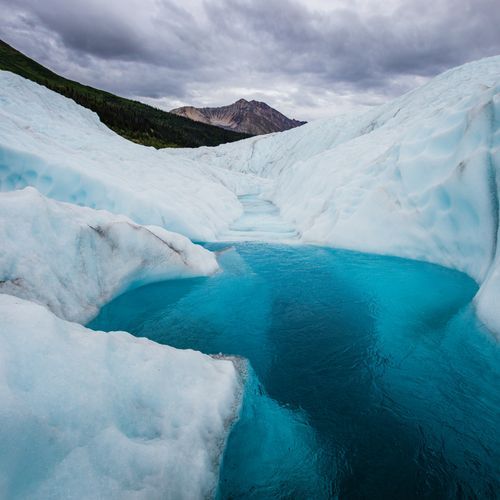
Seven of North America's 20 highest peaks rise in the country's largest national park, among them Mount St. Elias and Mount Wrangell, an 18,008-foot volcano. Ice covers about a third of the land. Every peak above 10,000 feet is glaciated, so reaching a summit means a long technical expedition, and a guide is wise without deep experience. Roads are few, and creeks such as Lost Creek can flow across them after rain or snowmelt.
10. Gates Of The Arctic National Park & Preserve
Alaska
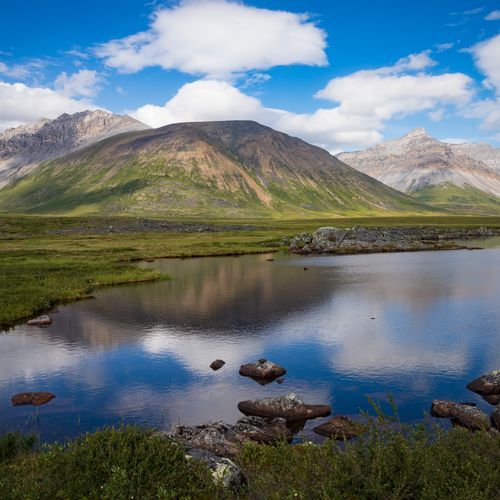
No roads or official trails reach this Brooks Range wilderness. Travelers fly in by bush plane or hike from the Dalton Highway, about five miles east. Backpackers head for Mount Igikpak and the Arrigetch Peaks, whose granite walls rise 3,000 to 4,000 feet above the valleys, using river valleys as corridors over mountain passes. The village of Anaktuvuk Pass, reached by commercial flights from Fairbanks, has a ranger station staffed in summer.
Best parks by month
Best parks by theme
- Big Trees
- Tide Pooling
- Epic Hikes
- Geologic Wonders
- Human History
- Wildlife Watching
- Birding
- Dark Skies
- Waterfalls
- Volcanic Landscapes
- Geysers & Hot Springs
- Caves
- Glaciers
- Sand Dunes
- Canyons
- Desert Landscapes
- Beaches
- Snorkeling & Diving
- Paddling
- Scenic Drives
- Fall Color
- Wildflowers
- Winter Adventures
- Wild & Remote
- Great with Kids
- Fossils