
Best National Parks to Visit in January
January splits the park map in two. Southern deserts, subtropical wetlands and island coasts offer mild, dry weather for hiking and wildlife, while northern parks trade road access for snowshoes, ski trails and oversnow tours. Some places, like Big Bend and Death Valley, are at their busiest, and others, like Voyageurs, are nearly empty. Winter storms, ice and flooding can change access quickly, so check current conditions before any trip.
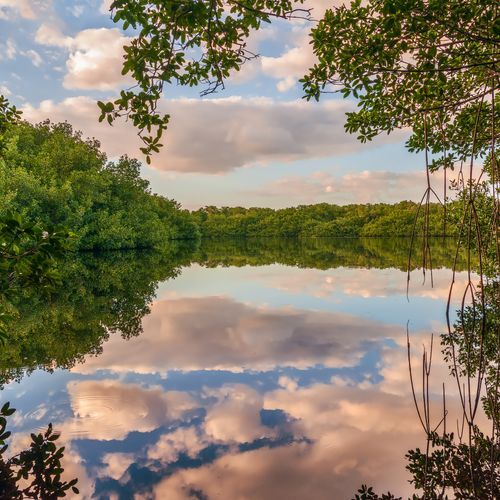
1. Everglades National Park
Florida
Dry season brings mild, low-humidity days, fewer mosquitoes and wildlife gathered around the remaining water. Look for alligators, turtles and nesting birds, and see the crusty periphyton exposed in Taylor Slough. Ranger programs run at every entrance, from Shark Valley and Royal Palm to Flamingo and the Gulf Coast Visitor Center. This is a busy month. Pack a layer, since occasional cold fronts and breezy days can feel much cooler than expected.
- High
- 75°F
- Low
- 60°F
- Rain
- 2.3 in
- Year's visitors
- 12%
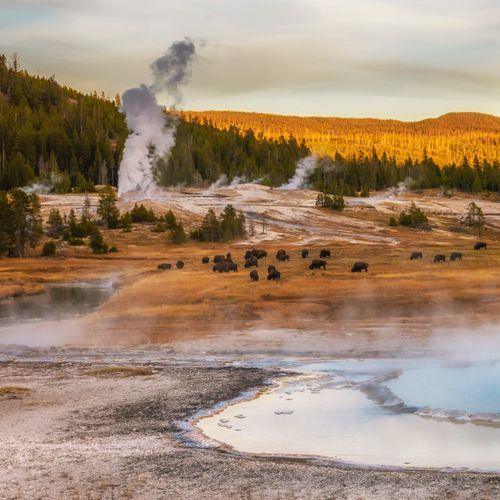
2. Yellowstone National Park
Idaho, Montana, Wyoming
Deep cold and heavy snow close most roads to regular vehicles, leaving only the stretch between the North and Northeast entrances open. To reach the interior, book a commercial snowcoach or a guided snowmobile trip, which have a daily entry limit, and consider a night at the Old Faithful Snow Lodge. Steaming geysers, groomed ski and snowshoe trails, gear rental at Mammoth Hot Springs, and wolves, coyotes and foxes hunting in snowy meadows reward the very few visitors.
- High
- 23°F
- Low
- 9°F
- Rain
- 0.0 in
- Snow
- 16 in
- Year's visitors
- 1%
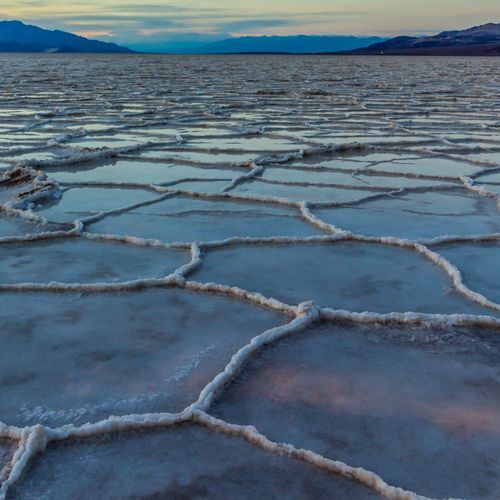
3. Death Valley National Park
California, Nevada
Cool days and chilly nights make this prime season for low-elevation hiking, from the accessible loop at Harmony Borax Works to cross-country routes up canyons. The high peaks such as Telescope Peak hold snow, so climbing them calls for winter gear, an ice axe and crampons. Carry plenty of water even now. Martin Luther King Day weekend draws crowds and lodging is scarce, so reserve early. After rain, it is best to skip Racetrack Playa.
- High
- 60°F
- Low
- 46°F
- Rain
- 0.9 in
- Year's visitors
- 7%
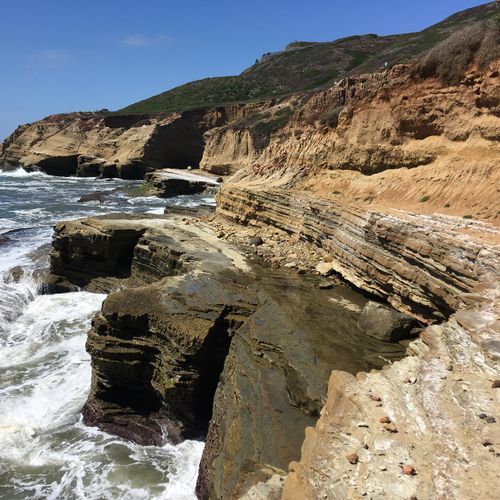
4. Cabrillo National Monument
California
Gray whales pass close to Point Loma on their southbound winter migration, and the Whale Overlook and Old Point Loma Lighthouse are the places to watch from. Winter low tides fall during park hours, which makes this one of the best times for the tidepools; use the NPS tide calendar to plan. Expect mild, sometimes wet weather. The tidepools close at 4:30 pm, and the road down to them can shut briefly when the lower lots fill.
- High
- 64°F
- Low
- 47°F
- Rain
- 2.5 in
- Year's visitors
- 8%
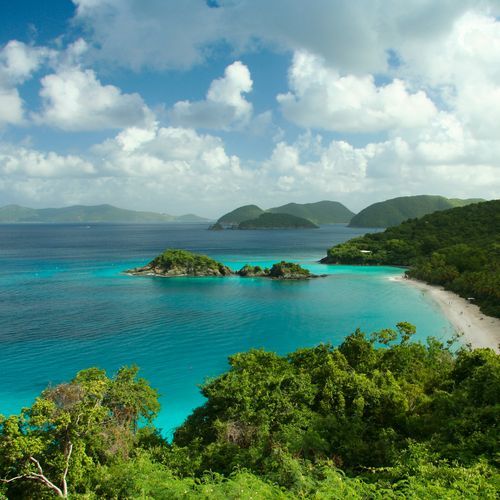
5. Virgin Islands National Park
Virgin Islands
For warm weather without the wet season, this is the time to go. January falls in the dry season, with mild, steady days and trade winds, so rain is unlikely. The trade-off is peak demand: hotel prices are at their highest and beaches can be crowded. North Atlantic storms send big swells onto the north side of the island, bringing good surfing but strong surf that can briefly close beaches there.
- High
- 78°F
- Low
- 75°F
- Rain
- 1.3 in
- Year's visitors
- 9%
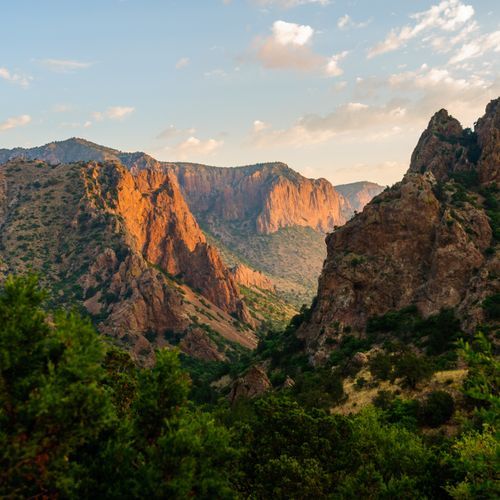
6. Big Bend National Park
Texas
Mild, mostly sunny days suit desert and Chisos Mountains hiking, though nights get cold and freezing spells happen; snow is rare and light. From mid-January the park often fills up, and holiday weekends are especially busy, so book campsites and rooms well before arriving, since walk-up stays are not an option. Keep the itinerary flexible. The Panther Junction Visitor Center handles maps, backcountry permits and trip planning.
- High
- 62°F
- Low
- 40°F
- Rain
- 0.4 in
- Year's visitors
- 8%
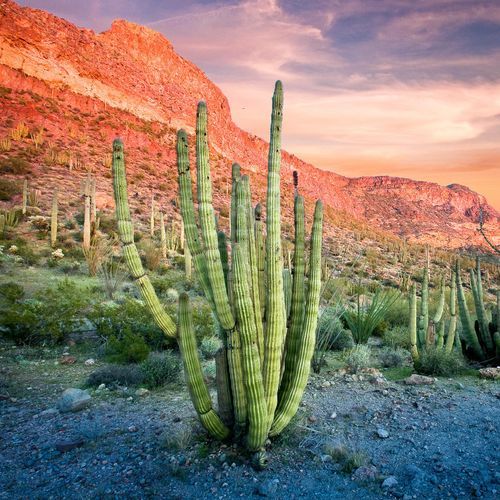
7. Organ Pipe Cactus National Monument
Arizona
Mild days and cool nights, with occasional freezes and cool winter rains that green the desert ahead of spring flowers, make this the main season for hiking and camping in the Sonoran Desert. Rangers lead programs from December into mid-April, and the Kris Eggle Visitor Center keeps winter hours of 9 am to 5 pm. Trails, scenic drives and campgrounds stay open around the clock, and clear skies make for fine Milky Way viewing.
- High
- 67°F
- Low
- 45°F
- Rain
- 0.8 in
- Year's visitors
- 14%
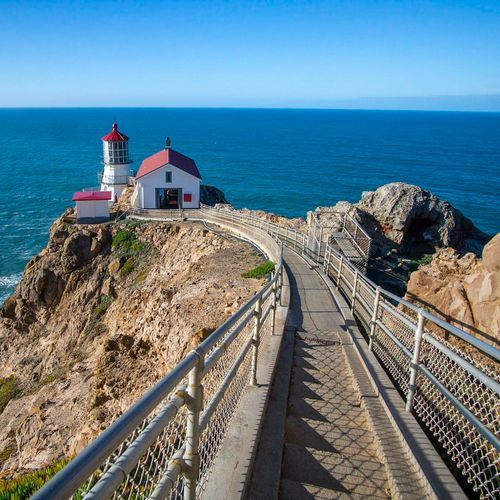
8. Point Reyes National Seashore
California
Rain is the price of admission, often lasting several days, with calm, sunny spells in between and muddy trails. In return, elephant seals crowd the beaches to give birth and mate; watch them from the overlook by Chimney Rock above Drakes Bay, the South Beach Overlook and the beach by the Kenneth C. Patrick Visitor Center. Southbound gray whales are often spotted from the Lighthouse and Chimney Rock. Check visitor center pages for Lighthouse and stair hours.
- High
- 56°F
- Low
- 45°F
- Rain
- 5.4 in
- Year's visitors
- 8%
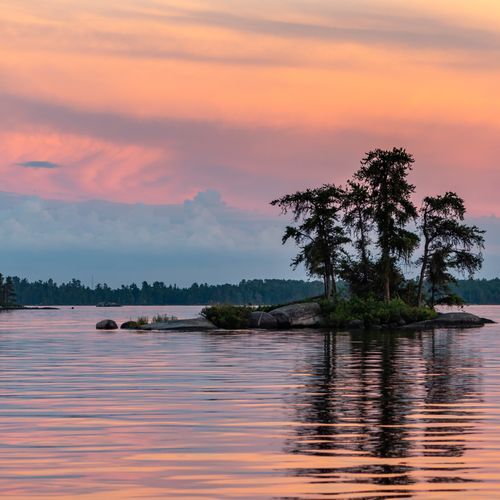
9. Voyageurs National Park
Minnesota
Frozen lakes become the road system here. Ice roads and snowmobile trails open once the ice is safe, and many summer hiking trails are maintained for skiing and snowshoeing. Expect deep cold and almost no other visitors. Skis and snowshoes can be reserved online, and campsites are available for winter camping with a permit, though safe ice is most typical later in winter. Read the weekly Winter Trails and Frozen Lakes Report before heading out.
- High
- 15°F
- Low
- 1°F
- Rain
- 0.0 in
- Snow
- 8 in
- Year's visitors
- 1%
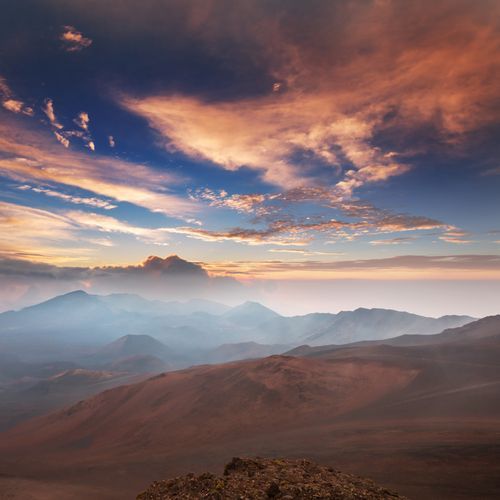
10. Haleakalā National Park
Hawaii
Two separate districts, with no road between them, offer very different days. Down on the Kīpahulu coast near Hana it is mild, and whales can be seen offshore. Up at the summit, near freezing is possible, so bring layers and rain gear for fast-changing weather. Entering the summit district between 3 and 7 am for sunrise requires a Recreation.gov reservation, up to 60 days ahead, with some released 48 hours before.
- High
- 63°F
- Low
- 55°F
- Rain
- 5.3 in
- Year's visitors
- 7%
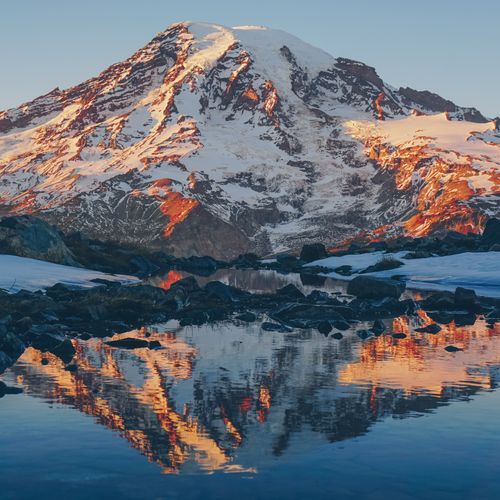
11. Mount Rainier National Park
Washington
Heavy snow and cold, wet weather turn Paradise into a base for snowshoeing, sledding, skiing and snowboarding. On weekends and holidays, rangers lead guided snowshoe walks from the Jackson Visitor Center; sign-up opens an hour before and is first-come, first-served. Many park roads close for winter, and the gate from Longmire to Paradise shuts every night, so check road status and alerts before driving up.
- High
- 36°F
- Low
- 25°F
- Rain
- 3.7 in
- Snow
- 62 in
- Year's visitors
- 2%
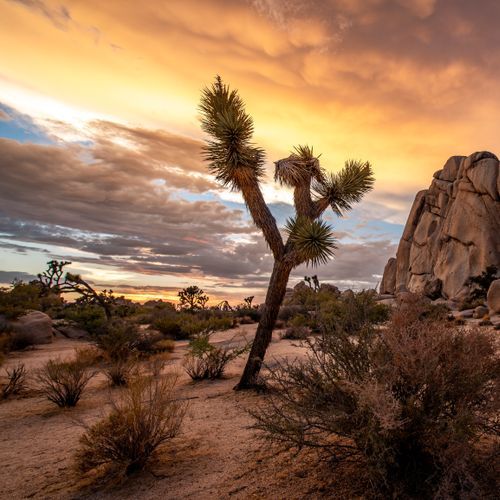
12. Joshua Tree National Park
California
Clear, cool days and freezing nights arrive with occasional snow on higher ground, since much of the park sits at about 4,000 feet or above. Crowds are lighter than in spring, though weekends and holidays still get busy, so plan for entrance lines and full parking lots. Pack warm layers for evenings among the Joshua trees. After heavy rain, backcountry dirt roads may close temporarily, and drivers must never go around a locked gate.
- High
- 58°F
- Low
- 42°F
- Rain
- 0.8 in
- Year's visitors
- 8%
Parks are chosen for what's good there this month, which can be snow or quiet rather than the mildest weather, so a park's best-time page may rate other months higher. Weather is the park-wide average for the month, and visitors are the month's share of the park's year, from the data behind our guides. Conditions change, so check the park's NPS page before you go.
Best parks by month
Best parks by theme
- Big Trees
- Tide Pooling
- Epic Hikes
- Geologic Wonders
- Human History
- Wildlife Watching
- Birding
- Dark Skies
- Waterfalls
- Volcanic Landscapes
- Geysers & Hot Springs
- Caves
- Glaciers
- Sand Dunes
- Canyons
- Mountain Majesty
- Desert Landscapes
- Beaches
- Snorkeling & Diving
- Paddling
- Scenic Drives
- Fall Color
- Wildflowers
- Winter Adventures
- Wild & Remote
- Great with Kids
- Fossils