
Best National Parks for Wildlife
Every park here has animals that gather where people can reach them, on a schedule that repeats each year. Salmon runs pull brown bears to Brooks Falls in Katmai, open valleys in Yellowstone put wolves and bison in view, and summer boats out of Alaska harbors find feeding whales. Timing matters as much as location, so each entry notes the best season. Keep the required distance from every animal, and check current conditions before you go.
1. Yellowstone National Park
Idaho, Montana, Wyoming
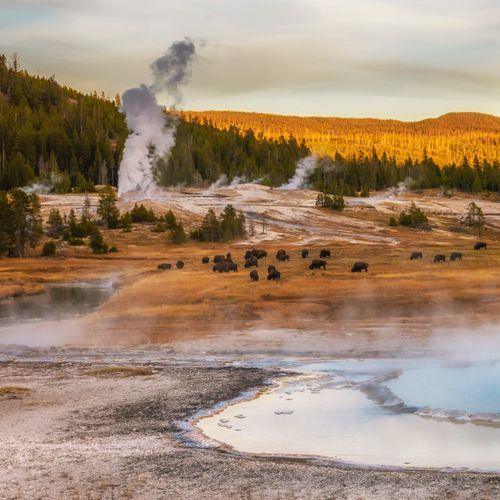
Lamar Valley, in the remote northeast corner, is summer range for bison and elk, and that draws wolves and grizzlies; pronghorn and bighorn sheep turn up too. In Hayden Valley, grizzlies hunt newborn bison and elk calves in spring and early summer, while pelicans work the river and shorebirds feed at Alum Creek. Most of the park is dense forest, so scan open meadows at dawn and dusk with a spotting scope. Stay 100 yards from bears and wolves.
2. Katmai National Park & Preserve
Alaska
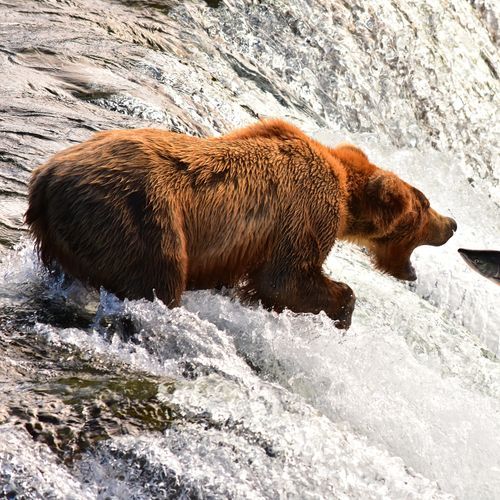
Each July, brown bears stand at the lip of Brooks Falls to catch leaping sockeye salmon. A short, easy trail from Brooks Camp leads to platforms beside the falls and to the Riffles Platform just downstream, putting you within feet of the bears. For something more remote, commercial operators fly visitors to Hallo Bay, Geographic Harbor, Moraine Creek and Funnel Creek. Bears graze sedge meadows there in early summer and move to salmon streams later in the season.
3. Denali National Park & Preserve
Alaska
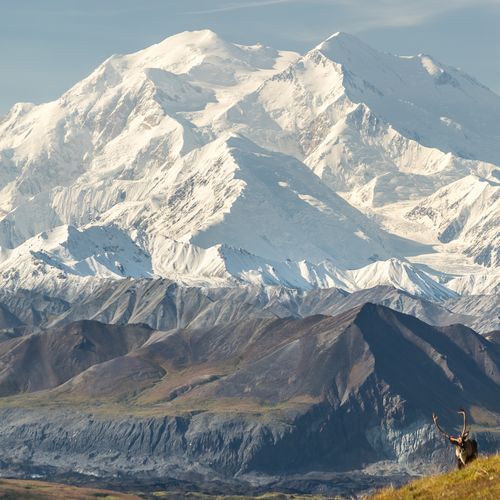
Caribou, moose, Dall sheep, bears and wolves make up Alaska's Big Five, and the reserved buses on the park road are the usual way to look for all of them. Moose stay mostly within the first 15 miles, around Riley Creek Campground in spring and between Miles 9 and 13 during the fall rut. Look for sheep high above Igloo Canyon and for caribou near Savage River. Bears have to be watched from at least 300 yards.
4. Grand Teton National Park
Wyoming
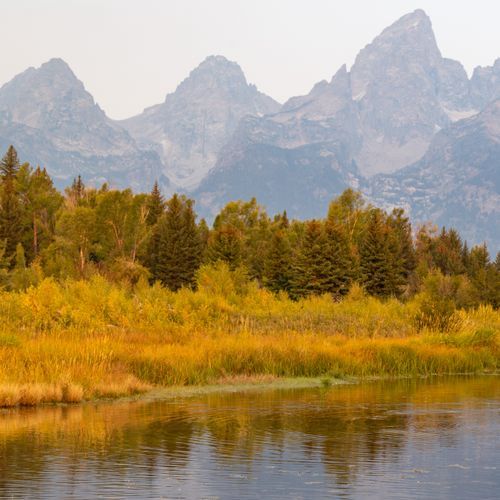
Bison and pronghorn graze Antelope Flats and Mormon Row, especially early and late in the day. For moose, try Oxbow Bend, the Willow Flats near Jackson Lake, and Moose-Wilson Road. Animals are often busy in fall: bull elk bugle in the early evenings, bull moose spar, and bears feed on berries before hibernation. Bears also appear on trails and in developed areas. The required buffer is 100 yards for bears and wolves; every other animal needs at least 25.
5. Everglades National Park
Florida
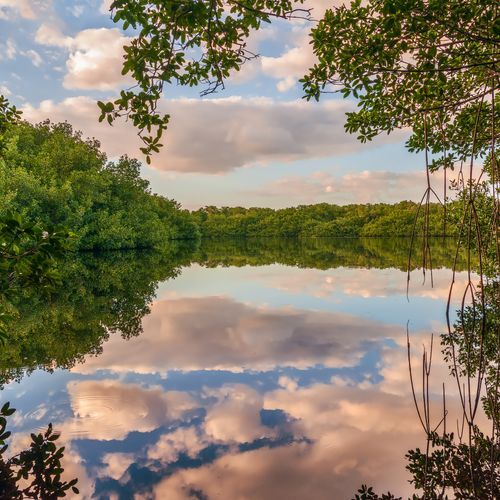
The Anhinga Trail, near Royal Palm, is a 0.8-mile paved path and boardwalk over sawgrass marsh and a freshwater slough. Alligators, turtles, gar, herons and the anhingas it's named for are usually in view. Winter, the dry season, is the best time, because falling water concentrates animals in the slough. The trail gets crowded, so walking slowly and speaking quietly improves your chances of seeing the shyer species.
6. Lake Clark National Park & Preserve
Alaska
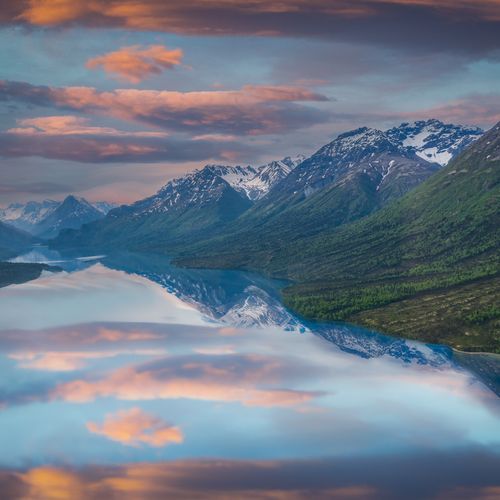
Brown bears on the Cook Inlet coast graze salt-marsh sedges from late spring to midsummer, dig clams on the tidal flats, and fish the creeks once salmon arrive in late summer. Silver Salmon Creek has a lodge where bears sometimes wander past. At Chinitna Bay, as many as twenty bears can be seen from one spot. Licensed outfitters run day and overnight trips, and food, toiletries and fish all have to be stored to park standards.
7. Kenai Fjords National Park
Alaska
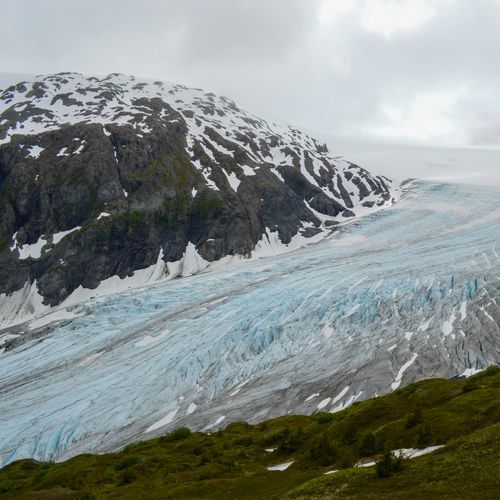
Much of this coast can only be reached by water, so most visitors come on a tour boat from Seward's small boat harbor. Local companies run them daily in summer, lasting three to nine hours, and booking ahead is wise. Full-day trips go out to the tidewater glaciers. Along the way, look for whales bubble-net feeding, plus sea lions, seals and seabirds. Kayakers should keep at least 100 yards from marine mammals.
8. Great Smoky Mountains National Park
North Carolina, Tennessee
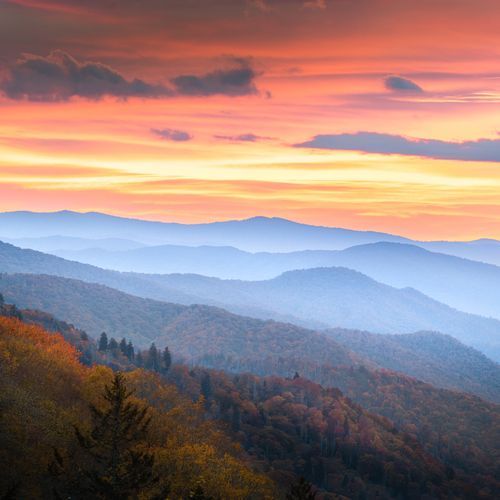
Cades Cove, south of Townsend, Tennessee, is circled by an 11-mile one-way loop road where visitors spot black bears, white-tailed deer, turkeys and coyotes. The narrow, winding Roaring Fork Motor Nature Trail is another good drive for bears. For elk, go to Cataloochee, a quieter and more remote corner of the park. Early mornings, late evenings and winter, when the trees are bare, give the best views. Stay 50 yards from bears and elk.
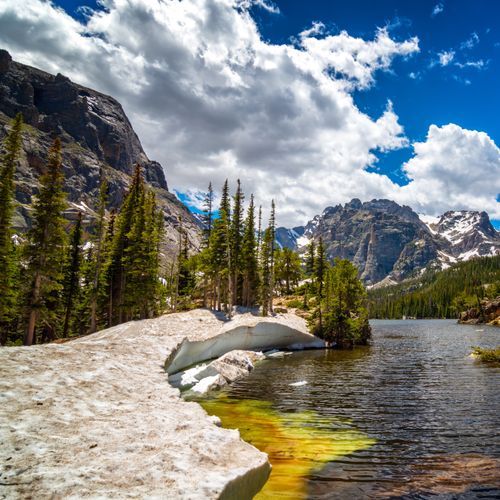
9. Rocky Mountain National Park
Colorado
Elk herds graze Moraine Park, a valley that is also the start of trails to Fern and Mills lakes. In September and October the herds move down for the rut, bulls turn aggressive, and some meadows close to foot traffic. In summer the elk stay near treeline. Bighorn sheep come down to Sheep Lakes and Horseshoe Park starting in May. Keep 75 feet from elk and sheep and 120 feet from moose and bears.
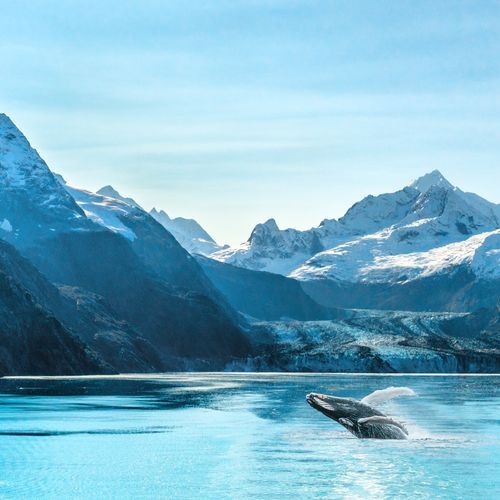
10. Glacier Bay National Park & Preserve
Alaska
Every summer morning a tour boat leaves Bartlett Cove on a seven-hour, 130-mile trip up the bay. It stops at South Marble Island, where hundreds of Steller sea lions crowd the rocks and puffins and murres nest. Later, watch for feeding humpbacks, mountain goats on the cliffs and black bears on the beaches. Harbor seals raise pups on floating ice in Johns Hopkins Inlet. Moose are common around Bartlett Cove and Gustavus. Tickets go through the park's commercial partner.
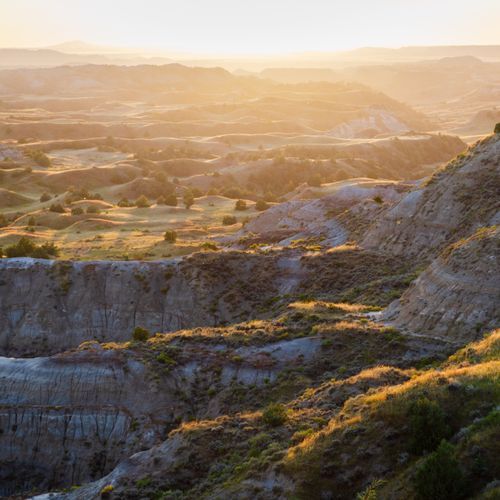
11. Theodore Roosevelt National Park
North Dakota
Most wildlife here is seen from the car. The South Unit's scenic drive passes bison, wild horses, mule deer and prairie dog towns, with pronghorn, elk and eagles also around. In the North Unit, bison graze beside the road and bighorn sheep stand on cliff edges, but seeing prairie dogs there means a hike. Mule deer come out at dawn and dusk. Bison and horses can look tame, but they gore and trample people who get too close.
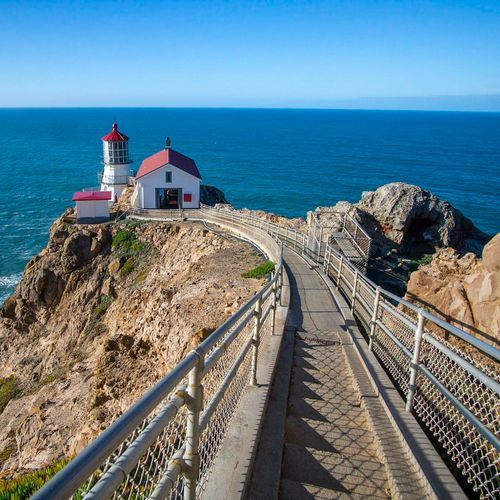
12. Point Reyes National Seashore
California
Northern elephant seals breed here, one of only about a dozen such sites anywhere, and from December through March the colony can be watched from the Elephant Seal Overlook. Gray whales pass between January and May, often close to shore below the Lighthouse, most often in mid-January and mid-March. Cows and calves come by last, in April and early May. Tule elk graze the Tule Elk Preserve at Tomales Point, where bikes are allowed only on Pierce Point Road.
Best parks by month
Best parks by theme
- Big Trees
- Tide Pooling
- Epic Hikes
- Geologic Wonders
- Human History
- Birding
- Dark Skies
- Waterfalls
- Volcanic Landscapes
- Geysers & Hot Springs
- Caves
- Glaciers
- Sand Dunes
- Canyons
- Mountain Majesty
- Desert Landscapes
- Beaches
- Snorkeling & Diving
- Paddling
- Scenic Drives
- Fall Color
- Wildflowers
- Winter Adventures
- Wild & Remote
- Great with Kids
- Fossils