
Best National Parks for Hiking
Some trails are reason enough to plan a trip. The hikes here draw people from far away: chain-assisted ridges in Zion, the cable climb up Half Dome, the boulder scramble on Old Rag, and long loops through high Sierra and Cascade country. Many need a permit, a ticket or an early start, and several stay snowbound into midsummer. Check current conditions and permit rules with each park before you go.
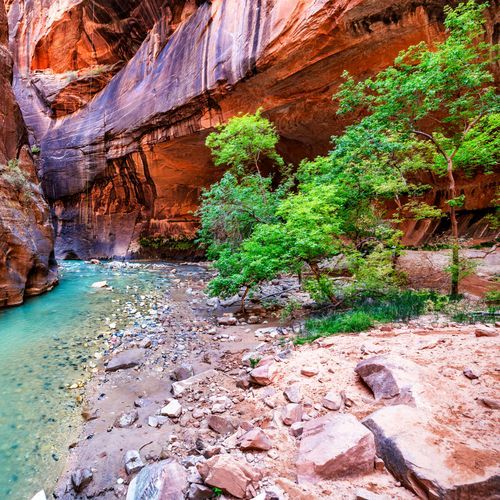
1. Zion National Park
Utah
Two very different hikes anchor a visit here. Angels Landing climbs 5.4 miles round trip and about 1,488 feet to a knife-edge ridge where hikers grip bolted chains above sheer drops; a permit is required, and the last seasonal shuttle sets your deadline. The Narrows starts at the Temple of Sinawava via Riverside Walk, and the river itself is the trail, so expect to wade. It closes during high water or flash-flood risk, and summer brings heat and storms.
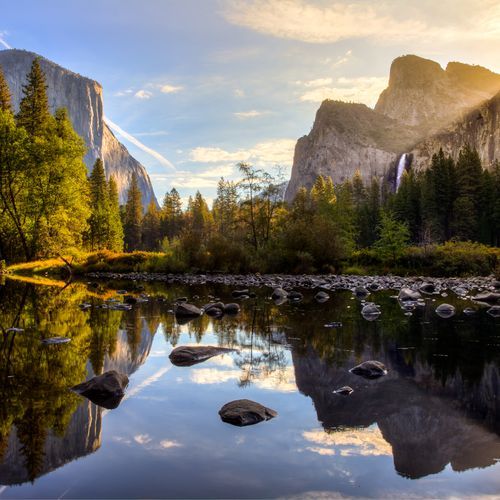
2. Yosemite National Park
California
Half Dome is a 17-mile round trip that climbs the Mist Trail beside Vernal and Nevada falls, joins the John Muir Trail, and finishes on the cables, which require a permit. Vernal Fall alone makes a good shorter outing, with spray that can drench you. For another hard day, the 1873 trail from Camp 4 to the top of Upper Yosemite Fall gains 2,700 feet, passing Columbia Rock after a steep first mile.
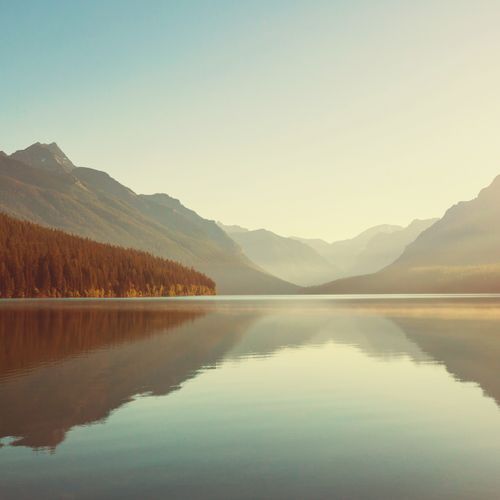
3. Glacier National Park
Montana
The Highline Trail traces a route high above Going-to-the-Sun Road, with long views across the park. Grinnell Glacier rewards a strenuous day with turquoise lakes, waterfalls, wildflowers and a close look at the ice, and hikers may spot moose, mountain goats or bears. Iceberg Lake often has ice floating on it well into summer. Near Two Medicine, the Pitamakan Pass loop crosses a narrow saddle. Any overnight backcountry stay needs a wilderness permit.
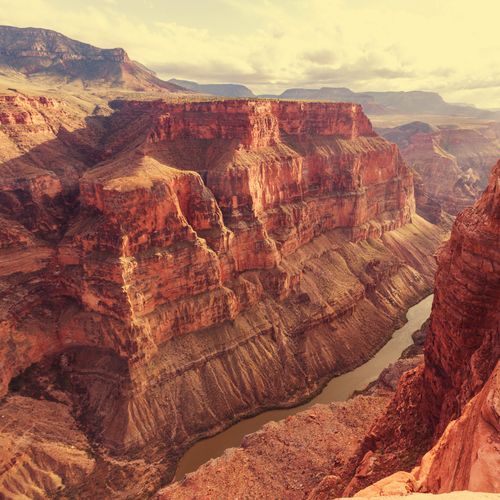
4. Grand Canyon National Park
Arizona
Hikes here go down first, so the hardest part always comes at the end, and the climb out can take twice as long as the descent. South Kaibab drops steeply with open views, and Ooh Aah Point, just under a mile below the rim, is a good goal for sunrise. Bright Angel has water and restrooms along the way. Temperatures can swing 50 to 70 degrees with elevation. The North Rim typically opens mid-May through November.
5. Mount Rainier National Park
Washington
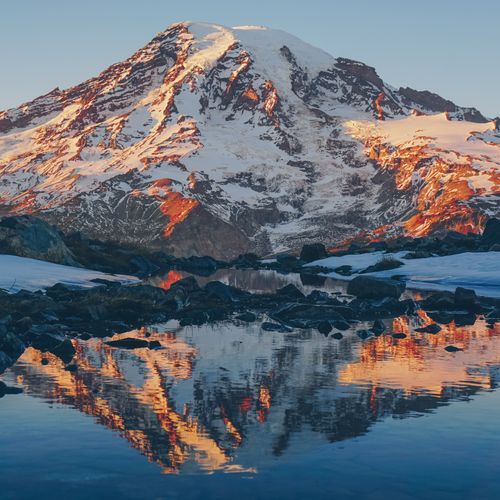
Circling the whole mountain, the Wonderland Trail covers about 93 miles with roughly 27,000 feet of climbing, and hikers can cache food and fuel along the route. It is usually mostly clear of snow from mid-July to October. From Paradise, the Skyline Trail loops past Myrtle Falls to Panorama Point. Camp Muir branches off at Pebble Creek and climbs snowfields to 10,188 feet, the highest most hikers reach without a climbing permit.
6. Grand Teton National Park
Wyoming
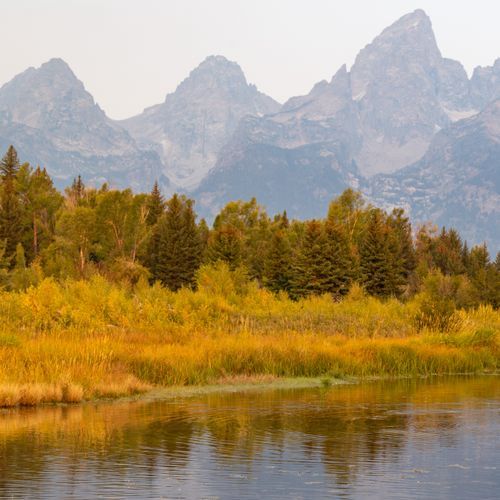
For fit hikers, the Paintbrush Canyon and Cascade Canyon loop packs much of the range into one 20-mile day, gaining about 4,700 feet. It crosses Paintbrush Divide at 10,700 feet, with views of Mount Moran, then drops past Lake Solitude, which faces the Grand Teton and Mount Owen. The divide often keeps snow until mid-July, so talk to rangers at the Jenny Lake Ranger Station first. Static Peak Divide, reached through Death Canyon, has similar snow concerns.
7. Rocky Mountain National Park
Colorado
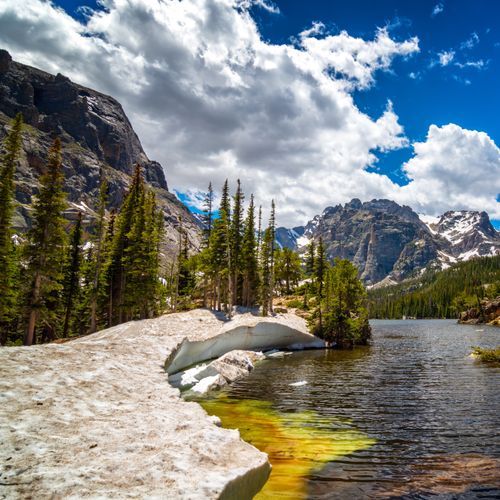
Longs Peak, at 14,259 feet, is the goal for many: the Keyhole Route covers about 15 miles and more than 5,000 feet of gain, ending in exposed scrambling. Be ready to turn back at any point. Hallett Peak, 10.4 miles from Bear Lake, offers summit views with less commitment. The Continental Traverse follows the divide for 20 miles from Milner Pass to Bear Lake and depends on fitness, acclimation and good weather.
8. Acadia National Park
Maine
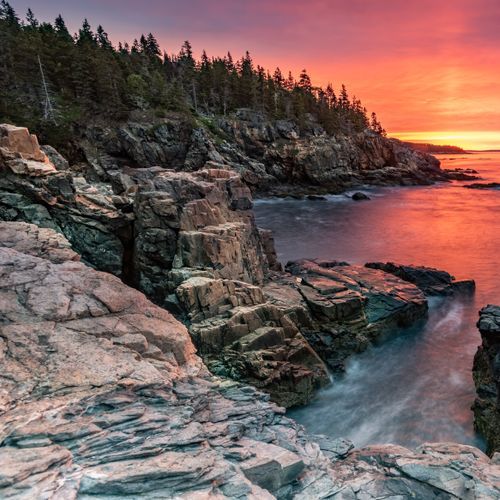
On the east face of Champlain Mountain, the Precipice Trail gains more than 1,000 feet in under a mile. Hikers scramble over and under boulders, climb series of iron rungs and ladders, and edge along narrow cliff ledges, so a comfort with heights is essential. It starts from a parking area on the Park Loop Road. Follow the recommended route rather than descending the ladders, since crowds in summer make the cliffs riskier.
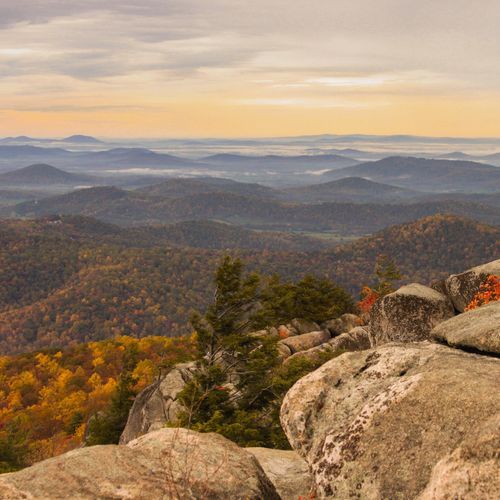
9. Shenandoah National Park
Virginia
A rock scramble near the summit of Old Rag is why it is the busiest destination in the park. The 9.4-mile circuit gains about 2,400 feet, first through forest and then up, over and between huge boulders to a 360-degree view. From March 1 to November 30, hikers need an advance day-use ticket in addition to an entrance pass. Pets are not allowed, and arriving early helps with parking and with bottlenecks on the rocks.
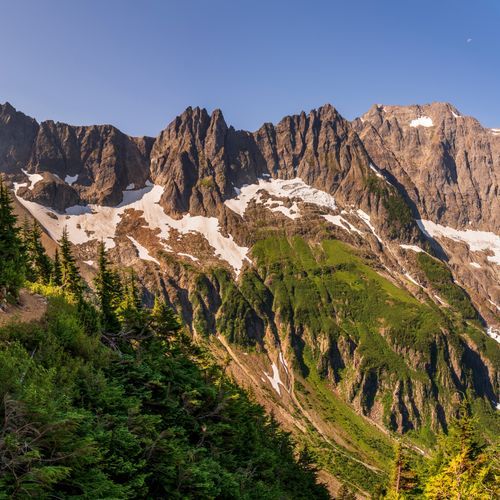
10. North Cascades National Park
Washington
From the end of Cascade River Road, the Cascade Pass and Sahale Arm hike climbs 4,150 feet over 12 miles through forest and heather meadows, with marmots and mountain goats along the way. Near the Sahale Glacier Camp, views open over Doubtful Lake and many snowy peaks. Overnight trips need a backcountry permit, and spots at Cascade Pass and Copper Ridge fill fast in summer; midweek or after Labor Day improves your chances.
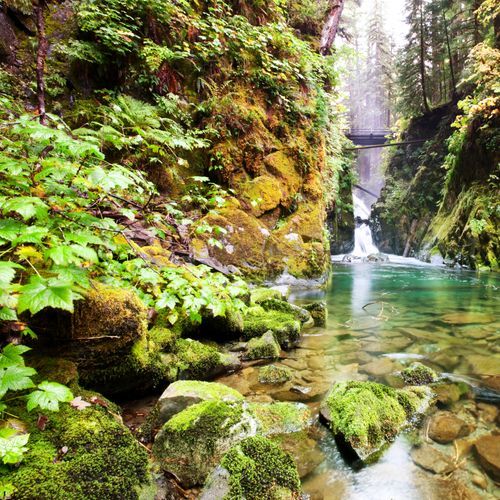
11. Olympic National Park
Washington
Backpackers come for the High Divide and Seven Lakes Basin loop, about 19 miles from Sol Duc Falls past Deer Lake, with views of Mount Olympus from the divide. It needs a wilderness permit, and bear canisters are required. From the Hurricane Ridge parking lot, the Klahhane Ridge Trail continues to Mount Angeles with steep scrambling. Above Lake Crescent, Mount Storm King gains over 2,000 feet and ends with a rope-assisted scramble.
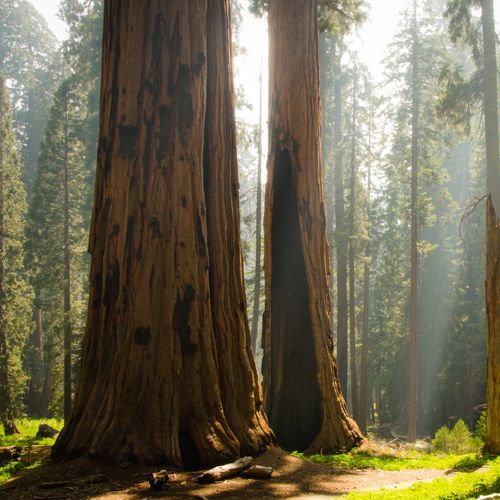
12. Sequoia & Kings Canyon National Parks
California
Among the most popular routes in the Sierra, the Rae Lakes Loop runs 41.4 miles and tops out at Glen Pass, nearly 12,000 feet. Start from Woods Creek or Bubbs Creek. Stream crossings can run high in May and early June, and Glen Pass may stay impassable until mid to late July. Camping at each of the Rae Lakes is limited to one night. Walk-up permits are issued starting at 1 p.m. the day before your trip.
13. Great Smoky Mountains National Park
North Carolina, Tennessee
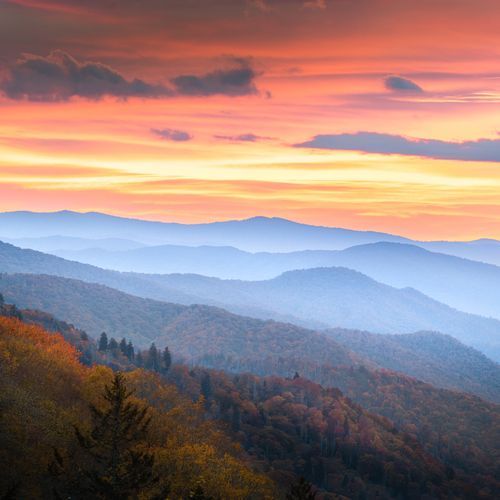
Of the five trails to Mount LeConte, Alum Cave is the shortest at 10 miles round trip, starting on Newfound Gap Road. It follows Alum Cave Creek to Arch Rock, reaches the 80-foot overhanging Alum Cave Bluffs at 2.3 miles, then climbs through spruce-fir forest to the Cliff Top and Myrtle Point viewpoints. Parking fills quickly, so arrive early or take a shuttle. Kuwohi Road, leading to the highest point in the park, closes in winter.
14. Kenai Fjords National Park
Alaska
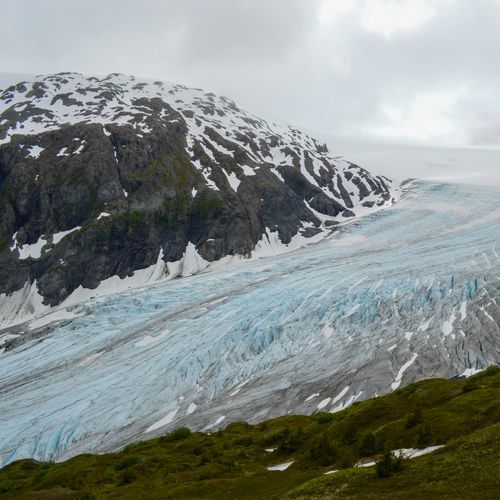
Starting near the Exit Glacier Nature Center, the Harding Icefield Trail climbs about 1,000 feet per mile over an 8.2-mile round trip. It rises through forest and meadow beside Exit Glacier to a view across the icefield that feeds the park's glaciers. Allow six to eight hours. Snow often covers the upper trail through early July, with possible avalanche danger. Pack for storms and wind, and know that even a short climb gives views of the glacier.
Best parks by month
Best parks by theme
- Big Trees
- Tide Pooling
- Geologic Wonders
- Human History
- Wildlife Watching
- Birding
- Dark Skies
- Waterfalls
- Volcanic Landscapes
- Geysers & Hot Springs
- Caves
- Glaciers
- Sand Dunes
- Canyons
- Mountain Majesty
- Desert Landscapes
- Beaches
- Snorkeling & Diving
- Paddling
- Scenic Drives
- Fall Color
- Wildflowers
- Winter Adventures
- Wild & Remote
- Great with Kids
- Fossils