
Best National Parks for Stargazing
Every park here protects real darkness, most with International Dark Sky status and several at the top Gold Tier. Ranger telescope programs, annual star parties and festivals give beginners a guided start, while remote overlooks, dunes and desert pullouts reward those who prefer to look up alone. Plan around the moon: the darkest nights fall near the new moon. Big Bend, Great Basin and Haleakalā show the range, from desert lowlands to high summits. Check current conditions and program schedules before you go.
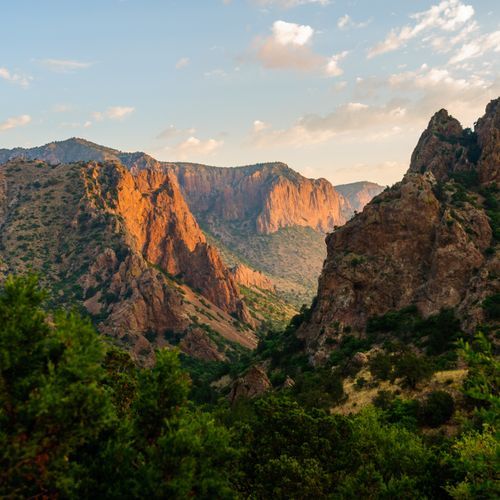
1. Big Bend National Park
Texas
National Park Service measurements rank these skies the darkest in the contiguous states, and the neighboring state park shares dark sky status, together protecting over a million acres. Any road pullout on a clear night shows the Milky Way. Fall and winter bring the clearest conditions. Rangers run free star parties and moonlight walks, and with a red light and star chart you can hop from the Big Dipper to Arcturus and Spica.
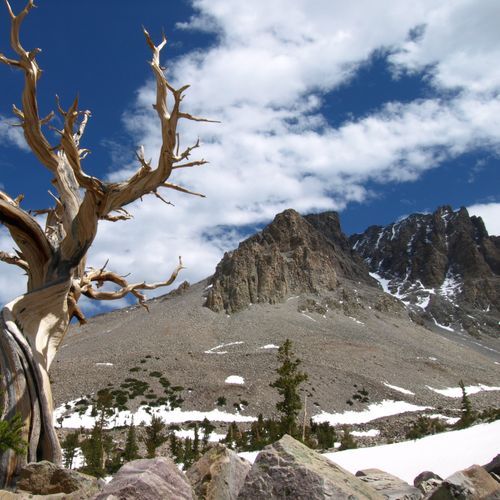
2. Great Basin National Park
Nevada
High elevation, dry air and very little artificial light make this Nevada park a Gold Tier sky. From roughly Memorial Day to Labor Day, rangers lead two-hour telescope sessions Thursday through Sunday at the Astronomy Amphitheater near the Lehman Caves Visitor Center. Guided tours visit the park's research observatory and its 27-inch telescope. A free festival on the September new moon weekend fills campgrounds fast, so reserve early. On moonless nights the Andromeda Galaxy is visible without optics.
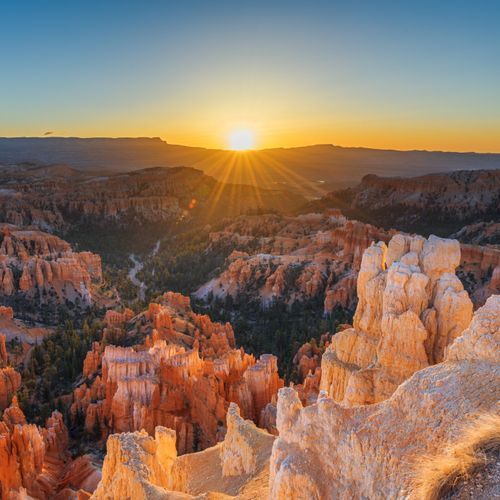
3. Bryce Canyon National Park
Utah
Around 100 astronomy programs a year run here, led by rangers and volunteers, along with full moon hikes over the hoodoos. Topics range from the life cycles of stars to constellation lore. The four-day festival near the June new moon adds telescope viewing, constellation tours and an astrophotography workshop; some evening events need same-day tickets from the visitor center. White flashlights are banned at viewing sessions, so bring a red light. Programs can be cancelled for weather.
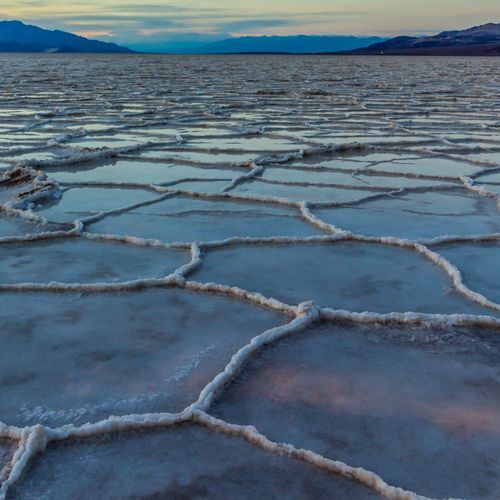
4. Death Valley National Park
California, Nevada
With no closing time and Gold Tier skies, this park rewards visitors who stay after sunset. Ranger favorites for viewing include Mesquite Flat Sand Dunes and Harmony Borax Works, and most spots away from lodging, campgrounds and main roads work well. Rangers hold talks, telescope sessions and trivia nights. Each spring a multi-day Dark Sky Festival brings scientists for free talks, an Exploration Fair and telescope viewing, with astrophotography sessions where a DSLR and tripod are needed.
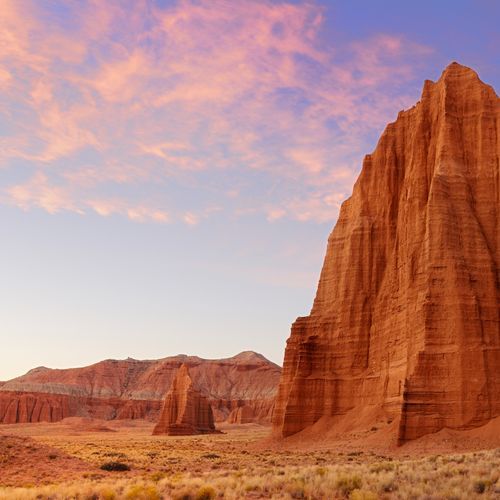
5. Capitol Reef National Park
Utah
Remoteness and sparing use of artificial light earned this Utah park Gold Tier status. Rangers hold astronomy programs several nights a week, with constellation tours or telescopes, plus evening talks at the Fruita Campground amphitheater; check visitor center or campground boards for times. Panorama Point on State Route 24 is a recommended viewing spot. In nearby Torrey, a telescope program usually runs on Saturdays, and the Heritage StarFest is typically held in September.
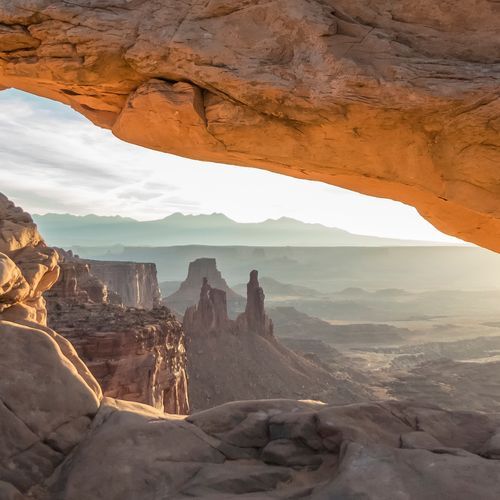
6. Canyonlands National Park
Utah
A moonless night on this part of the Colorado Plateau surprises many visitors, and ordinary binoculars can sometimes pick out Saturn's rings. Rangers lead stargazing programs through the season, and the annual Southeast Utah AstroFest sets up telescopes at Grand View Point and Green River Overlook in the Island in the Sky District. Use the park's Clear Sky Chart to check clouds, aim for a new moon, and allow 20 to 30 minutes for your eyes to adjust.
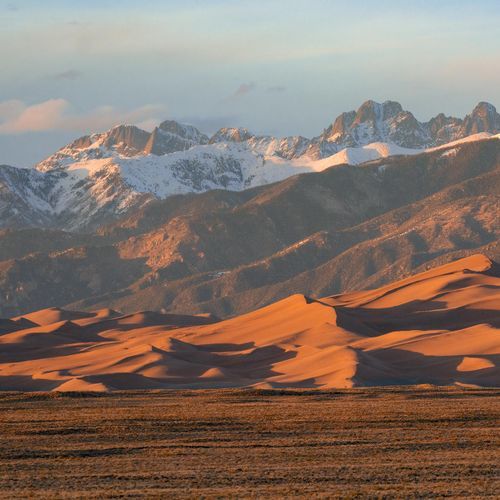
7. Great Sand Dunes National Park & Preserve
Colorado
Few places let you sleep among North America's tallest dunes under a Gold Tier sky. Backpacking permits, issued year-round, allow camping in the Dunes Backcountry, a mile and a half or more beyond Medano Creek, or at seven designated sites on the Sand Ramp Trail. The Milky Way rides highest in late summer and early fall. Begin viewing 90 minutes or more after sunset. A full moon lets you walk the dunes without a light. Winter nights are frigid.
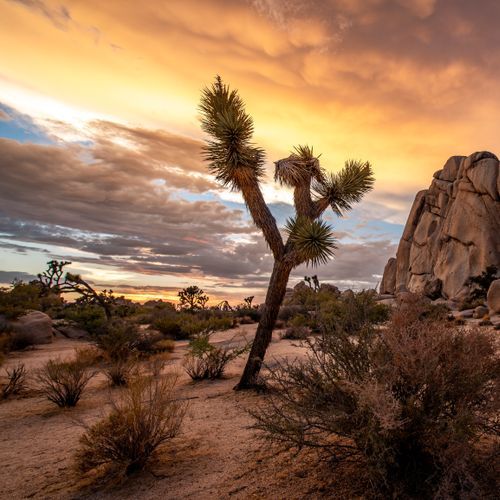
8. Joshua Tree National Park
California
The darkest stretch of this Southern California park lies along Pinto Basin Road, running from White Tank down to the south entrance, where pullouts make easy viewing stops. The Cholla Cactus Garden, distant from surrounding towns, is another good choice. Rangers lead night sky programs in every season, listed on park bulletin boards. Just outside the park near Twentynine Palms, the Sky's the Limit Observatory hosts telescope nights and a Dark Sky Festival, usually in fall. Avoid full moon nights.
9. Grand Canyon National Park
Arizona
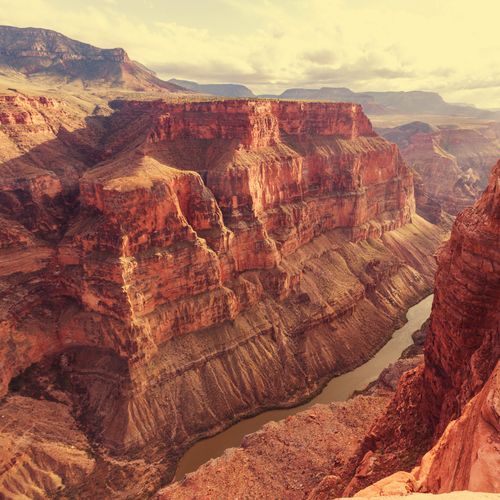
For eight days each June, amateur astronomers bring telescopes to both rims for the Grand Canyon Star Party, aiming at planets, nebulae and galaxies after dark and at the sun by day. On the North Rim, scopes line the Grand Canyon Lodge porch, with evening talks in its auditorium. The rest of the year, free programs need no sign-up, including talks and laser-guided constellation tours at the Grand Canyon Visitor Center. Weather or lightning can cancel outdoor sessions.
10. Haleakalā National Park
Hawaii
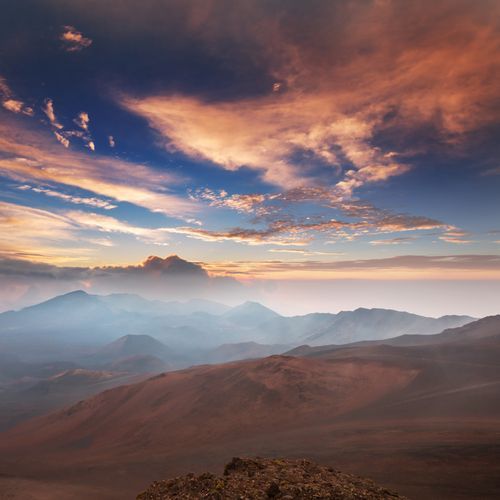
The summit of this Maui volcano sits high enough that the air is often clear and light pollution minimal. Visitors from northern latitudes will notice an unfamiliar sky. Watch from Red Hill, a short way from the visitor center, or along a trail with a headlamp. Temperatures can fall near freezing after dark, so pack a coat, hat and blanket, plus food, since none is sold. The winding road lacks lights and guardrails; drive slowly and watch for wildlife.
11. Badlands National Park
South Dakota
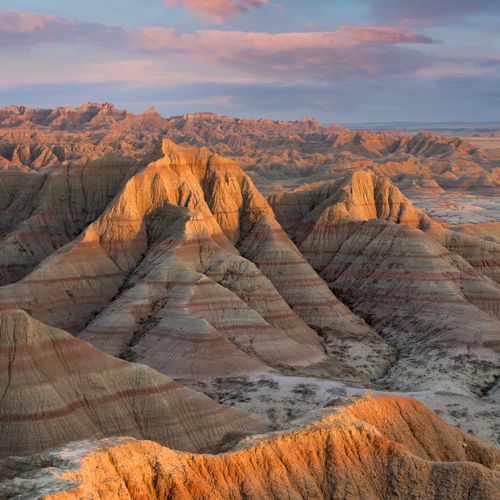
Between Memorial Day and Labor Day, rangers set up telescopes nightly at the Cedar Pass Campground Amphitheater once the evening program ends, pointing out stars, planets and constellations. Start times follow sunset: about 9:45 p.m. from May through July and 9:15 p.m. in August and September; the Ben Reifel Visitor Center can confirm. Over 7,500 stars show on a typical night. A three-day Badlands AstroFest each summer adds guest speakers, solar observing and a walk along a scaled solar system.
12. Black Canyon Of The Gunnison National Park
Colorado
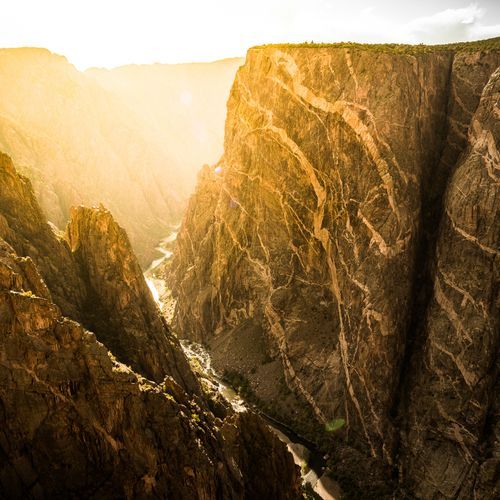
Summer brings frequent astronomy programs to this Colorado canyon, run by rangers and the Black Canyon Astronomical Society: solar telescope viewing, talks, constellation tours and night sky viewing with telescopes, free with park entry. A multi-day AstroFest each September spreads events across several sites. Summer nights face the galaxy's center, so the Milky Way shines brightest then and rises overhead late in the evening, while in fall it sits overhead soon after dark. Plan around the new moon.
Best parks by month
Best parks by theme
- Big Trees
- Tide Pooling
- Epic Hikes
- Geologic Wonders
- Human History
- Wildlife Watching
- Birding
- Waterfalls
- Volcanic Landscapes
- Geysers & Hot Springs
- Caves
- Glaciers
- Sand Dunes
- Canyons
- Mountain Majesty
- Desert Landscapes
- Beaches
- Snorkeling & Diving
- Paddling
- Scenic Drives
- Fall Color
- Wildflowers
- Winter Adventures
- Wild & Remote
- Great with Kids
- Fossils