
National Parks with Sand Dunes
Each park here has sand you can walk into and explore on foot, not just view from an overlook. Some fields have no trails, so you choose your own line across the ridges, and several allow sledding or sandboarding. Heat, soft footing and remote access shape how you plan, from summer sand at Great Sand Dunes to fly-in trips at Kobuk Valley. Check current conditions with each park before you go.
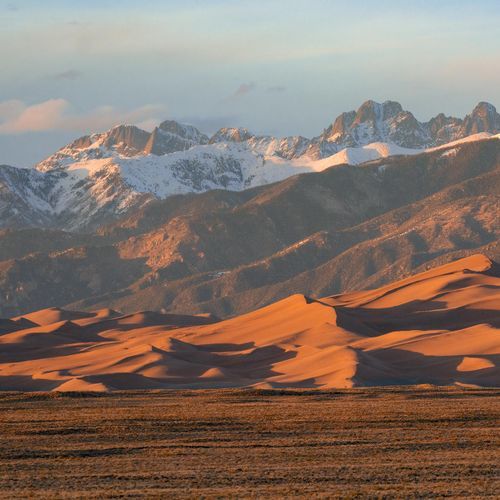
1. Great Sand Dunes National Park & Preserve
Colorado
North America's tallest dunes cover a 30-square-mile field with no trails, so any route is yours. A 0.7-mile walk from the Dunes Parking Area reaches slopes for sandboarding or sledding, using sand-specific gear rented outside the park. High Dune and the 750-foot Star Dune beyond it make longer outings. On summer afternoons the sand can reach 150°F and storms bring lightning, so go early or late and save the shaded Montville Nature Trail for midday.
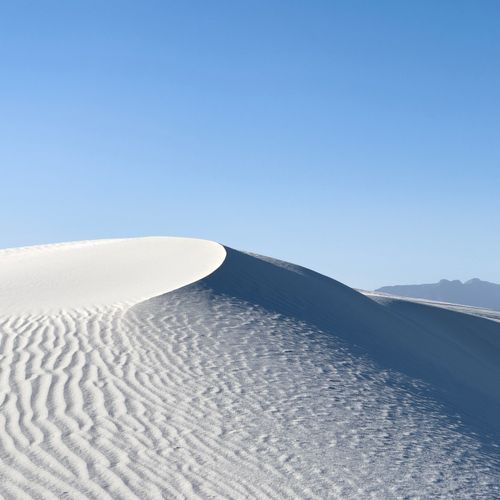
2. White Sands National Park
New Mexico
Wind has shaped 275 square miles of white gypsum into wave-like ridges here, the largest field of its kind anywhere. Sledding is the favorite activity: waxed plastic saucers sold at the park gift shop slide best, and a gentle face with a flat runout keeps rides safe, since the ground at the base of a dune is hard. The one-mile Dune Life Nature Trail climbs steep dunes in soft sand. Skip strenuous climbs above 85°F.
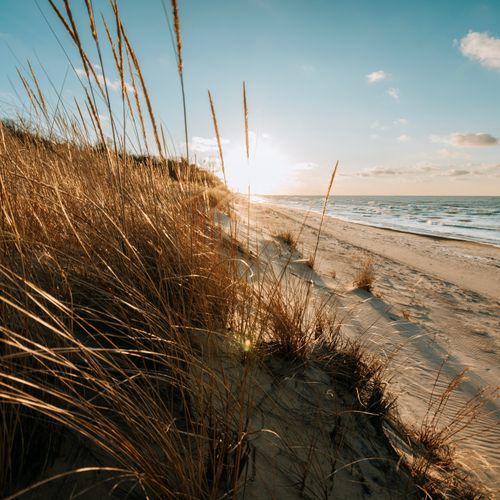
3. Indiana Dunes National Park
Indiana
Along Lake Michigan, dunes range from open sand to oak-covered ridges. The Mount Baldy Beach Trail circles the west side of this slowly migrating dune to a lake view, then drops down loose sand to the beach, a stiff climb on the way back. The Dune Ridge Trail starts in a U-shaped blowout and rises through woodland to a crest above the Great Marsh. Sledding is allowed only near the West Beach picnic shelters, and only with enough snow.
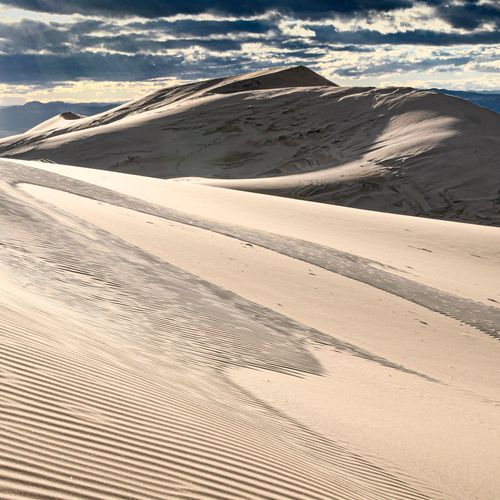
4. Mojave National Preserve
California
Kelso Dunes, nearly 700 feet high across 45 square miles, are the main draw. The roughly three-mile round trip gains about 650 feet and ends steeply in sand, taking most people two to three hours. At the crest, push dry sand down an untouched slope to set off a deep rumble you can feel. The trailhead, three miles down a bumpy dirt road, has no water or shade. Go in spring or fall; summer can hit 120°F.
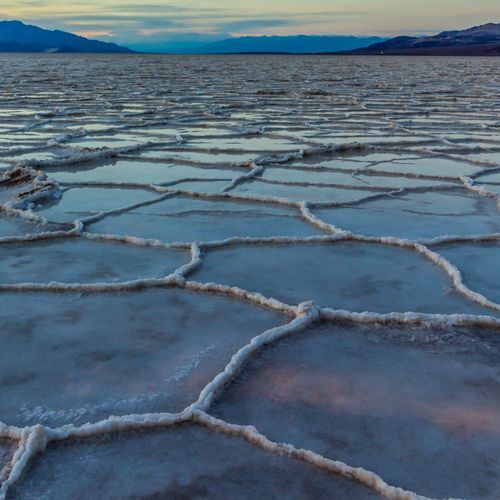
5. Death Valley National Park
California, Nevada
Close to Stovepipe Wells, the Mesquite Flat Sand Dunes start right at a paved lot with vault toilets. With no formal trail, you wander as far as you like; the high dune is a mile out, about 185 feet of gain, and the farther you walk the quieter it gets. Crescent, linear and star dunes rise from cracked clay among mesquite hummocks. Sandboarding is allowed here but not at the Ibex Dunes, a one-mile hike from Saratoga Springs Road.
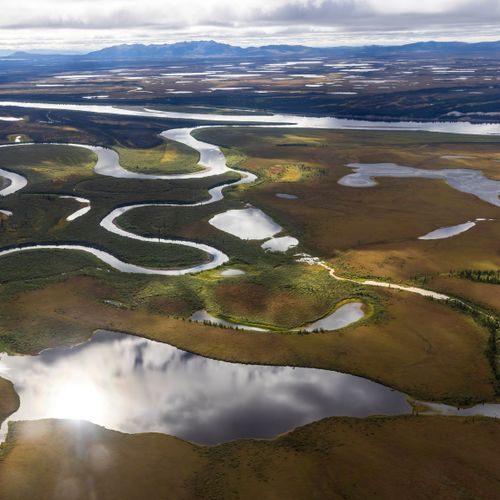
6. Kobuk Valley National Park
Alaska
In Arctic Alaska, the Great Kobuk Sand Dunes bring caribou, wolf and grizzly tracks together on open sand bordered by forest and tundra. Most visitors fly in on wheeled planes that land on the dunes; others cross two to three miles of trailless tundra from the Kobuk River, which demands solid navigation. Camp on any level spot. Allow extra days for weather delays, carry a head net, and avoid soaked sand near creeks, which can turn unstable.
Best parks by month
Best parks by theme
- Big Trees
- Tide Pooling
- Epic Hikes
- Geologic Wonders
- Human History
- Wildlife Watching
- Birding
- Dark Skies
- Waterfalls
- Volcanic Landscapes
- Geysers & Hot Springs
- Caves
- Glaciers
- Canyons
- Mountain Majesty
- Desert Landscapes
- Beaches
- Snorkeling & Diving
- Paddling
- Scenic Drives
- Fall Color
- Wildflowers
- Winter Adventures
- Wild & Remote
- Great with Kids
- Fossils