
Most Remote National Parks
Every park here asks for a real commitment just to arrive. Several have no roads at all. Travel means air taxis landing on lakes and gravel bars, ferries across open water, or long hikes with river crossings. Some, like Dry Tortugas and Isle Royale, sit far offshore. Others, like Gates of the Arctic, can go days or weeks without another person in sight. Self-sufficiency matters everywhere, and weather shapes flights and crossings, so check current conditions before booking.
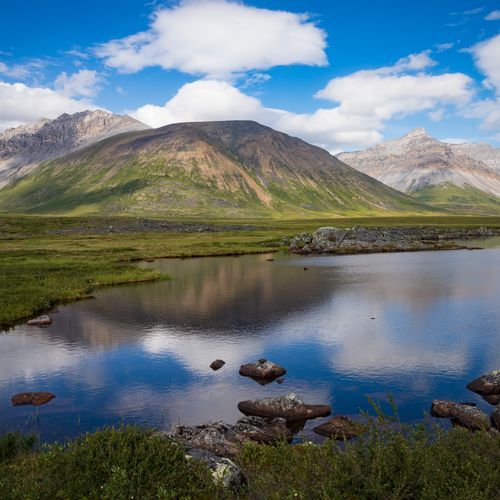
1. Gates Of The Arctic National Park & Preserve
Alaska
No roads, trails, signs or facilities exist in this stretch of the central Brooks Range. Small airlines fly from Fairbanks to Bettles, Anaktuvuk Pass and Coldfoot. From there, air taxis on floats or tundra tires land on lakes and gravel bars. Some visitors hike in from the Dalton Highway or Anaktuvuk Pass, which means fording rivers. Six wild rivers, including the Alatna, Noatak and North Fork Koyukuk, cross the park, and days can pass without meeting anyone.
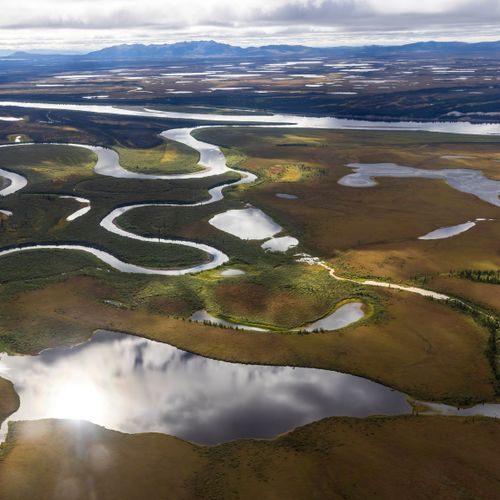
2. Kobuk Valley National Park
Alaska
Reaching this Arctic valley starts with a commercial flight to Kotzebue or Bettles, then an authorized air taxi into the park. Some visitors bring packable boats and have a pilot set them down to begin a float. Along the Kobuk River, watch for caribou, moose and wolves. Hikers cross tundra, climb in the Baird Mountains or walk the Great Kobuk Sand Dunes. Flights depend on weather and cell phones may not work, so carry a satellite phone.
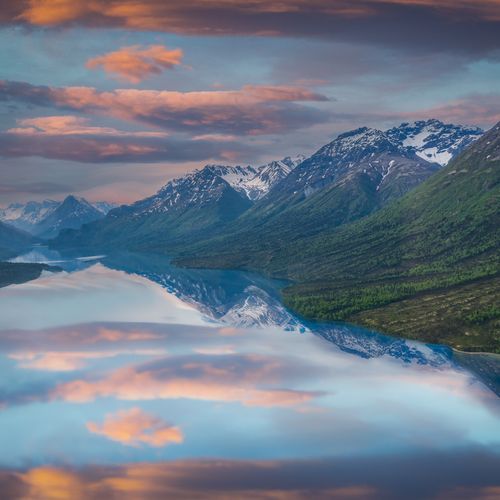
3. Lake Clark National Park & Preserve
Alaska
On the Alaska Peninsula southwest of Anchorage, this four-million-acre wilderness has no roads. Small planes from Anchorage, Kenai or Homer make the trip in an hour or two, setting down on lakes, beaches or gravel bars. Visitors watch coastal brown bears, fly past Mount Redoubt and Mount Iliamna, and tour the Proenneke Cabin. Backpackers fly into lakes such as Telaquana or Fishtrap. None of these lakes has a beach for wheeled planes, so summer landings there need a floatplane.
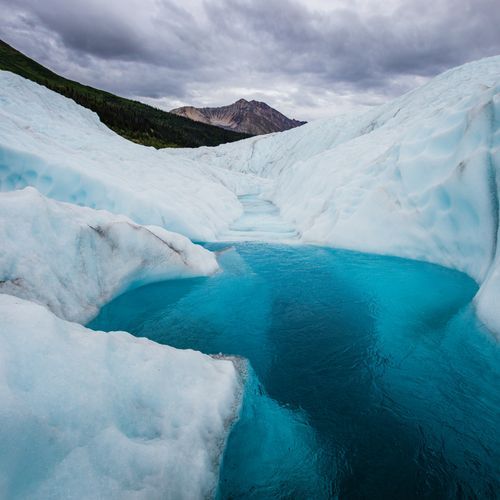
4. Wrangell - St Elias National Park & Preserve
Alaska
At 13 million acres, this is the largest park in the country, yet only the McCarthy and Nabesna roads enter it, about 101 miles combined. Glacial ice covers roughly a third of the land, including the Bagley Icefield, and nine of the 16 highest US peaks rise here. Reaching most of the backcountry means arranging an air taxi to a gravel airstrip or beach. From there visitors go rafting, try mountaineering or stay in a public use cabin.
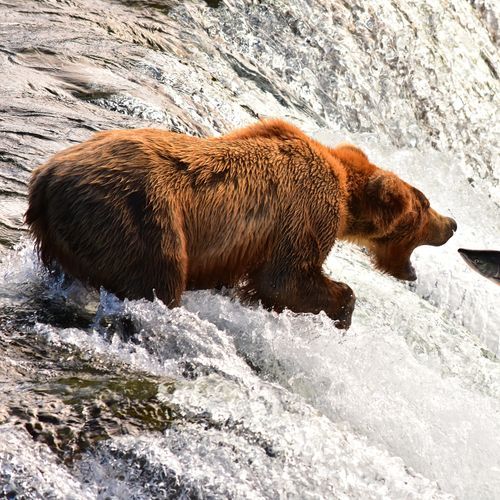
5. Katmai National Park & Preserve
Alaska
With less than five miles of maintained trail, this northern Alaska Peninsula park is reached almost entirely by small plane or boat. A float plane from King Salmon takes about 20 minutes to reach Brooks Camp, which has lodging and hot meals. From there a daily concessioner bus runs a 23-mile dirt road to the Valley of Ten Thousand Smokes. Backpackers follow river bars and gravel ridges without permits, though camping is barred within 1.5 miles of Brooks Falls.
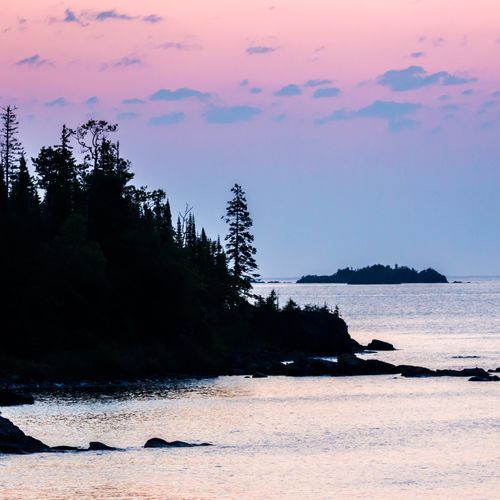
6. Isle Royale National Park
Michigan
Cars stay on the mainland, since this Lake Superior archipelago of more than 400 islands has no roads. Seasonal ferries and seaplanes leave from Minnesota's North Shore and Michigan's Keweenaw Peninsula, docking at places like Windigo and Rock Harbor. Once ashore, travel is by foot, canoe or kayak through spruce and fir forest. Paddlers often cross from McCargoe Cove to Chippewa Harbor. Off-trail camping requires a cross-country permit, and crossings depend on weather.
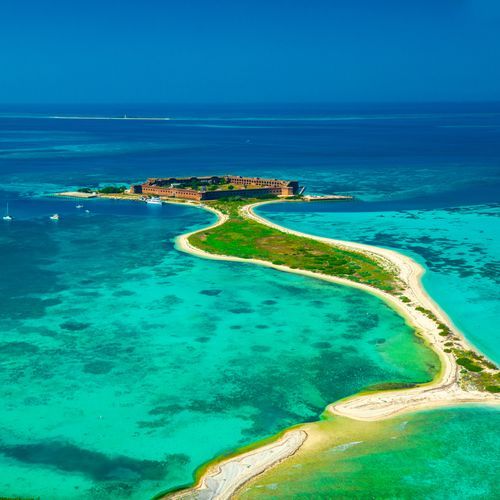
7. Dry Tortugas National Park
Florida
Seven small islands sit about 70 miles west of Key West. The only ways out are the daily concession ferry, a private or charter boat, or a seaplane. Garden Key holds Fort Jefferson, with walking tours and snorkeling close by. There are no public phones, restrooms or snack bars, so pack sunscreen, protective clothing and motion sickness medicine. Pets are not allowed on the ferry or seaplane, only on private boats or with permitted guides.
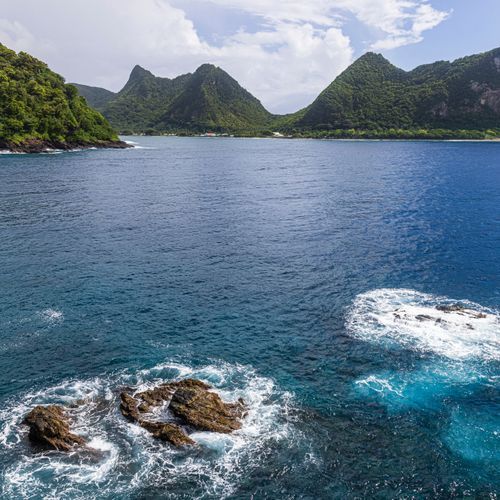
8. National Park of American Samoa
American Samoa
Some 2,600 miles southwest of Hawaii, this park covers parts of Tutuila, Ta'ū and Ofu. Most of it is tropical rainforest running down to coral sand beaches. Flights land at Pago Pago on Tutuila, and smaller planes continue to Ta'ū and Ofu. Reaching Ofu usually means hiring a local fisherman for a boat ride from Ta'ū, arranged ahead of time, but its reef snorkeling repays the effort. Trails are steep, rugged and unimproved.
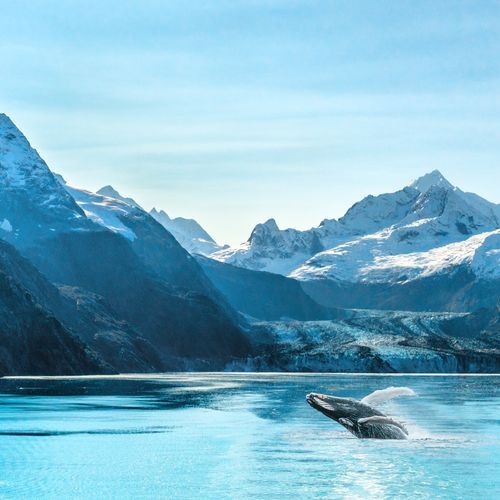
9. Glacier Bay National Park & Preserve
Alaska
A single 10-mile road is all there is here, linking Gustavus, a small town with an airfield, to Bartlett Cove, where the park headquarters stands. Gustavus gets summer jet service from Juneau, about a 30-minute flight, along with year-round small planes and state ferries. Most visitors see the tidewater glaciers from cruise ships, tour boats or their own vessels. Away from Bartlett Cove there are no boater facilities, and hikers and climbers must be fully self-sufficient.
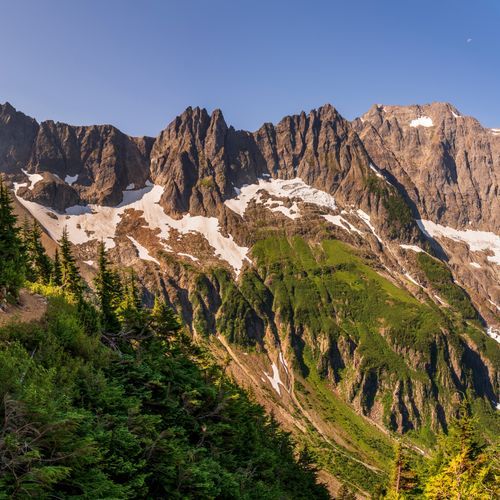
10. North Cascades National Park
Washington
Stehekin, at the head of Lake Chelan, has no road connection. Arrival comes by passenger ferry, floatplane, private boat or trail. The village is a base for day hikes and for backpacking into the park's interior, including routes over McAlester Pass, where meadows bloom through midsummer. Book ferry or floatplane seats ahead and build the travel into the itinerary. Every overnight backcountry stay needs a permit, and camping in trail corridors is limited to designated sites.
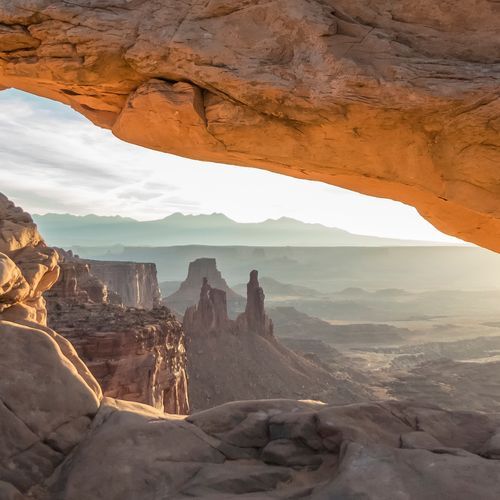
11. Canyonlands National Park
Utah
The Maze is the hardest district of the park to reach. Getting there takes a high-clearance four-wheel-drive vehicle, and trips rarely run under three days. Cairned routes drop from mesa tops into canyons that look alike, and the Maze Overlook Trail requires scrambling over steep slickrock. A 25-foot rope for lowering packs is often needed. Carry topographic maps and self-rescue gear. Overnight permits are required, and in spring and fall demand often exceeds supply.
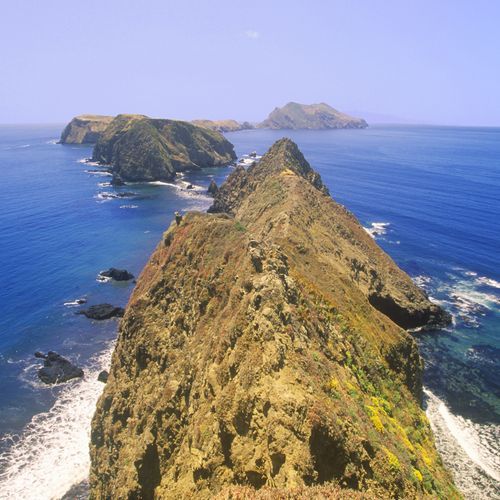
12. Channel Islands National Park
California
Santa Rosa Island, second largest in the park, sits two to three hours out by ferry. Boats run spring through fall with limited departures and land at Bechers Bay. Island foxes, trails and beaches reward the trip, and a 15-site campground lies about a mile and a half from the dock. Backcountry beach camping, open in certain seasons, begins 8 miles from the drop-off. Winds of 30 knots are common, and nothing is sold on the island.
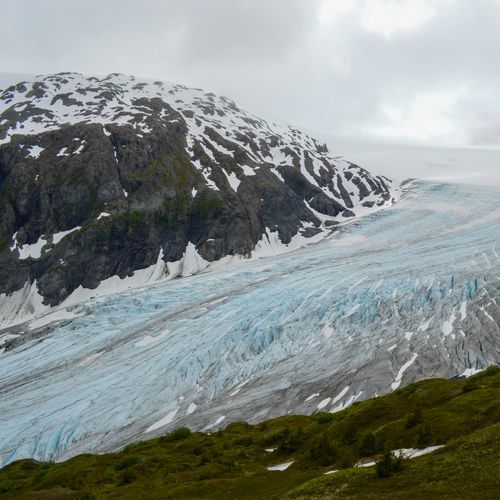
13. Kenai Fjords National Park
Alaska
Exit Glacier is the one corner of this park reachable by car. The rest is a coast of fjords and tidewater glaciers seen from the water or the air. Boat tours leave Seward's small boat harbor daily in summer, and booking ahead helps. Kayakers paddle the shoreline, camp on landing beaches or stay in coastal public use cabins. Water and air taxis from Seward or Homer go farther, and some planes land on skis atop the Harding Icefield.
Best parks by month
Best parks by theme
- Big Trees
- Tide Pooling
- Epic Hikes
- Geologic Wonders
- Human History
- Wildlife Watching
- Birding
- Dark Skies
- Waterfalls
- Volcanic Landscapes
- Geysers & Hot Springs
- Caves
- Glaciers
- Sand Dunes
- Canyons
- Mountain Majesty
- Desert Landscapes
- Beaches
- Snorkeling & Diving
- Paddling
- Scenic Drives
- Fall Color
- Wildflowers
- Winter Adventures
- Great with Kids
- Fossils