
Best National Parks for Snorkeling and Diving
Each park here has something worth seeing below the surface: warm coral reefs off Florida, the Caribbean and the South Pacific, kelp forests off California, and shipwrecks in the Great Lakes. Some sites are an easy swim from the beach, such as the underwater trail at Trunk Bay. Others call for a boat, a permit or dive certification. Access and sea conditions vary, so check current conditions with each park before you go.
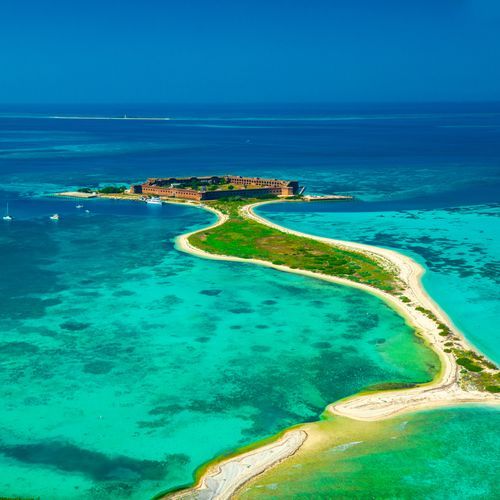
1. Dry Tortugas National Park
Florida
Most snorkelers start at Fort Jefferson, following the fort's outer moat wall or exploring the old south coaling dock's pilings. The moat itself is off limits, and no lifeguards are posted. Off Loggerhead Key, Little Africa Reef stays calm and shallow enough for children. The Windjammer wreck, a three-masted ship in about 20 feet of water, suits beginners. Divers can circle the coral mound at Texas Rock. Fly a dive flag beyond the designated area.
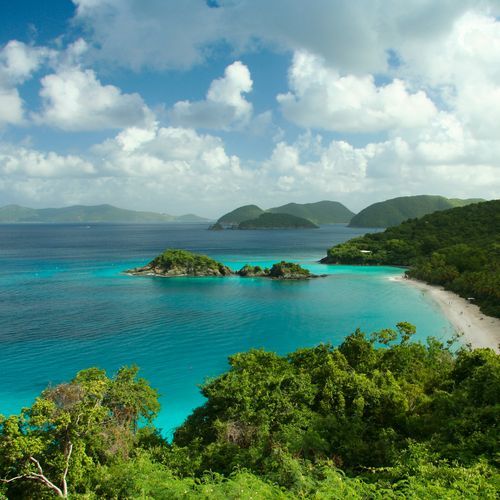
2. Virgin Islands National Park
Virgin Islands
Signs mounted on the seafloor at Trunk Bay label reef life along a 225-yard snorkel trail near Trunk Cay. Allow 30 to 60 minutes and consider a flotation aid, since you shouldn't stand on the bottom. Gear rentals and a day-use fee apply. Hawksnest has three fingers of fragile elkhorn coral, best viewed from their edges. A short hike off North Shore Road reaches Salomon and Honeymoon bays, where brain and pillar corals grow off the rocky point.
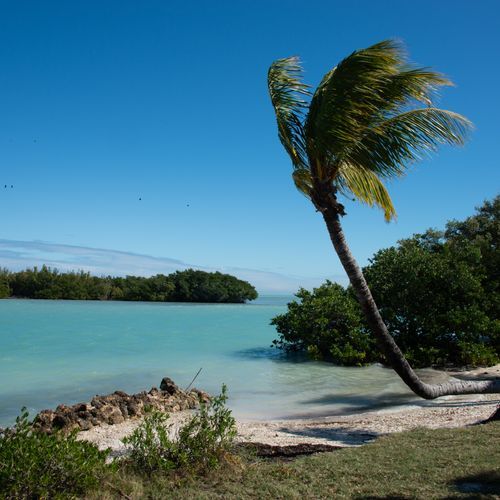
3. Biscayne National Park
Florida
Wrecks on the Maritime Heritage Trail, the park system's only underwater archaeological trail, can be reached by boat alone. Each site has a mooring buoy and a waterproof guide card. The schooner Mandalay, sunk in 1966, sits shallow enough for snorkelers to see its hull among coral and fish. The Alicia, Erl King and Lugano lie deeper and suit scuba divers. The Biscayne National Park Institute runs guided snorkel trips, and booking ahead is advised.
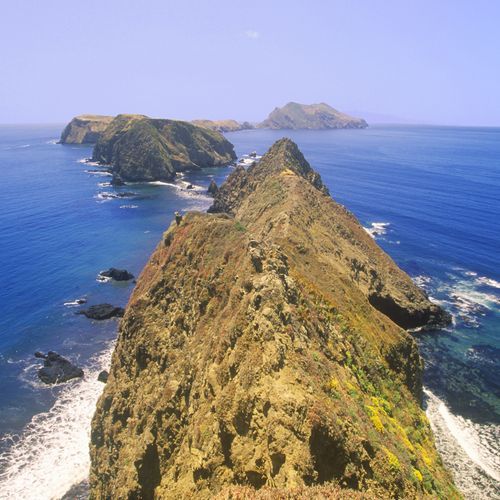
4. Channel Islands National Park
California
Cold Pacific water here holds kelp forests where bright orange garibaldi, California sheephead, sea stars and purple urchins move through the fronds. Anacapa, Santa Barbara and eastern Santa Cruz islands offer the best conditions. Strong wind on Santa Rosa and San Miguel makes them unsuitable for novices. At Scorpion Anchorage on Santa Cruz, an outfitter runs snorkel tours from June through September and rents wetsuits, which are strongly advised. Reserve gear before making the crossing.
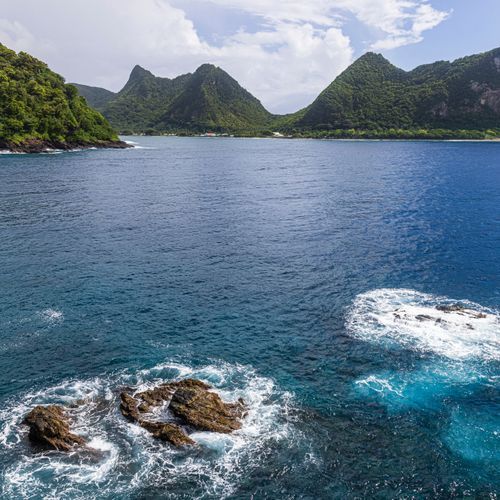
5. National Park of American Samoa
American Samoa
On Ofu, this park lies almost entirely underwater. Its fringing reefs support some of the richest marine life in US waters: more than 250 coral species and over 950 kinds of fish. Ofu and neighboring Olosega offer the territory's best snorkeling. Pack your own mask and fins, since rentals are scarce, and watch for strong currents. There are no scheduled dive boats, so scuba divers need to arrange a private charter, often with local fishermen, well in advance.
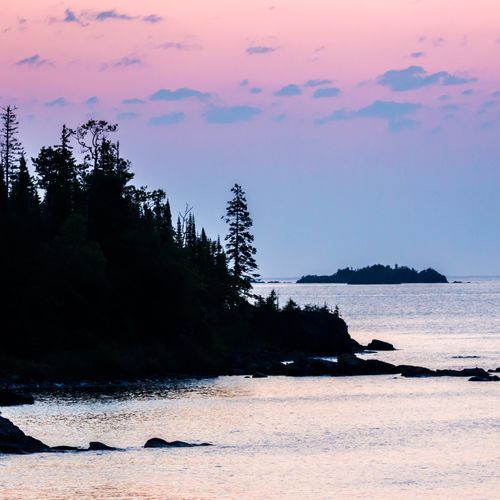
6. Isle Royale National Park
Michigan
Ten major shipwrecks spanning seventy years rest around this island, the most intact collection the Park Service protects. They range from wooden side-paddle steamers to steel freighters, and several, including the America, lie off the western tip. Only experienced divers should go: wreck interiors can entangle, and silt can cut visibility to zero. Get a dive permit from rangers at Rock Harbor, Windigo or Houghton. Wash and dry all gear for seven days beforehand to keep out invasive species.
Best parks by month
Best parks by theme
- Big Trees
- Tide Pooling
- Epic Hikes
- Geologic Wonders
- Human History
- Wildlife Watching
- Birding
- Dark Skies
- Waterfalls
- Volcanic Landscapes
- Geysers & Hot Springs
- Caves
- Glaciers
- Sand Dunes
- Canyons
- Mountain Majesty
- Desert Landscapes
- Beaches
- Paddling
- Scenic Drives
- Fall Color
- Wildflowers
- Winter Adventures
- Wild & Remote
- Great with Kids
- Fossils