
Best National Parks for Wildflowers
Wildflower timing follows elevation and rain. Desert parks such as Death Valley and Joshua Tree bloom first, from late winter into spring, with rare mass blooms after wet winters. Appalachian forests peak in spring, and high meadows at places like Mount Rainier wait for snowmelt and flower from July into August. Each entry below says where to look and when to go. Bloom dates shift every year, so check current conditions with the park before you travel.
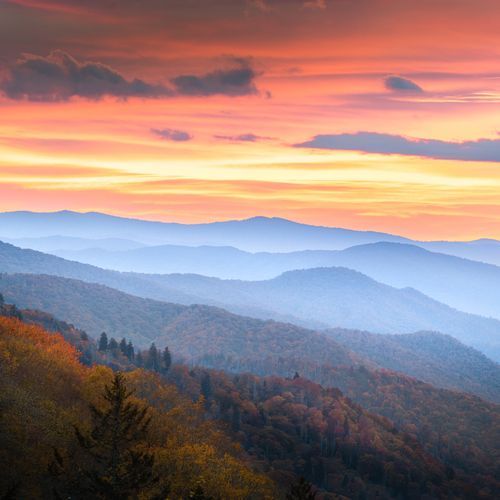
1. Great Smoky Mountains National Park
North Carolina, Tennessee
More than 1,400 flowering species grow in these mountains, and the spring Wildflower Pilgrimage fills the season with guided walks and talks on flowers, ferns, trees and salamanders. Look for trilliums and Dutchman's breeches in spring, then catawba rhododendron and flame azalea in May and June, followed by rosebay rhododendron into July. Blooms climb from valleys to summits as the weeks pass. In autumn, goldenrod lights up Cades Cove and asters and gentians keep flowering.
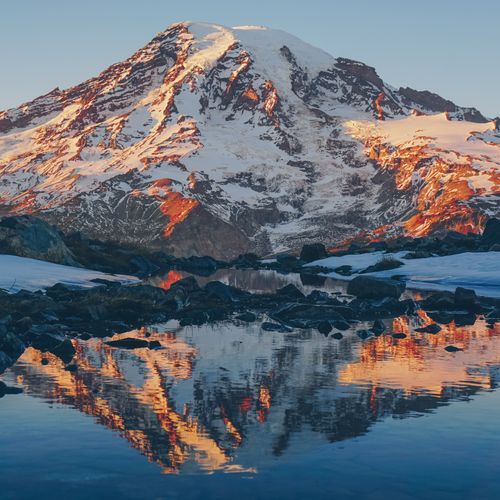
2. Mount Rainier National Park
Washington
Snowmelt sets the schedule on this volcano. Forest flowers like western trillium appear at low elevations in May and June, while the subalpine meadows at Paradise and Sunrise fill in by mid-July and usually look their best in early August. From Sunrise, the highest point reachable by car at 6,400 feet, the 1.5-mile Sunrise Nature Trail loop and the 2-mile Silver Forest Trail cross meadows facing the mountain. Stay on the trail, even where it means walking over lingering snow.
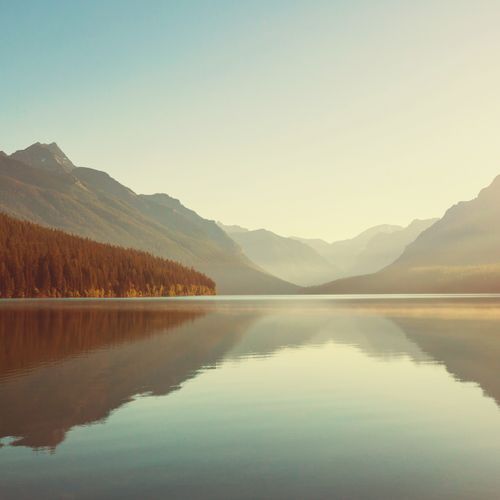
3. Glacier National Park
Montana
Along the Continental Divide on Going-to-the-Sun Road, Logan Pass sits at 6,646 feet, the highest point drivers can reach in the park. Glacier lilies push up through melting snow, and other alpine plants and monkeyflowers follow through summer beneath Reynolds and Clements mountains. Mountain goats and bighorn sheep often graze nearby. The lot usually fills from about 8:30 am to 4 pm, so arrive early or late, or take the free shuttle. Higher trails often hold snow through June.
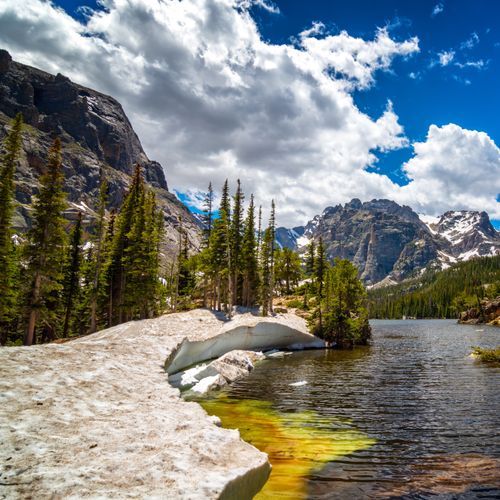
4. Rocky Mountain National Park
Colorado
Two bloom seasons stack up here. Montane areas below about 9,400 feet start flowering in early May, while the subalpine zone does not warm until June and blooms from late June to early August. Wild roses grow from the lower slopes up into subalpine country. Upper Beaver Meadows, an open valley with a view of the Continental Divide, has trailheads for the Ute and Upper Beaver Meadows trails. Its dirt road typically closes from mid-October. Rangers also lead wildflower programs.
5. Olympic National Park
Washington
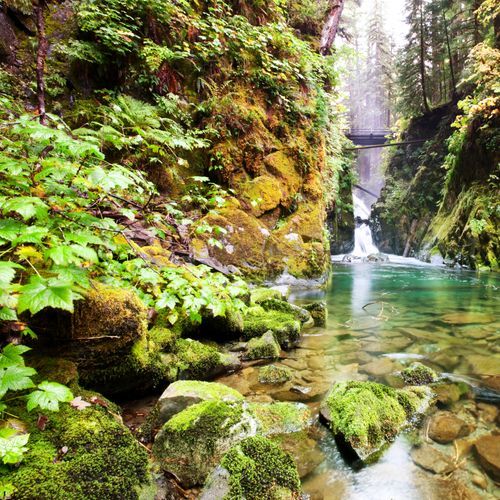
Hurricane Ridge, a 17-mile drive south of Port Angeles, is the park's most accessible high country, with wildflower meadows. Some trails follow the crest. Obstruction Point Road branches off before the visitor center and opens about July 4 to October 15, snow permitting, reaching more trailheads. Summer crowds peak 10 am to 5 pm.
6. Shenandoah National Park
Virginia
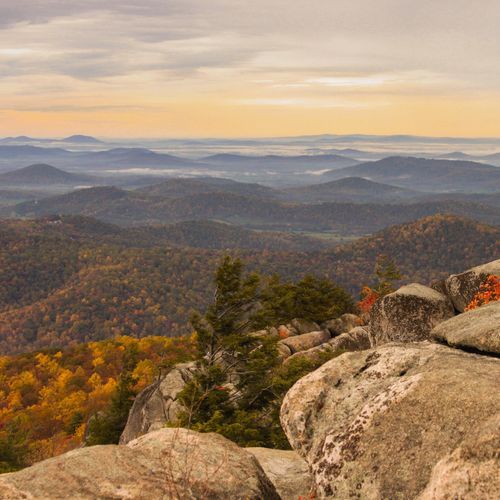
With more than 860 species recorded, spring is the season to come, running from mid-March through May as the forest leafs out. The park publishes a wildflower calendar to help match a visit to particular blooms. Each May, Wildflower Weekend offers free guided hikes and programs with no reservations needed. One trail to aim for climbs from Meadow Spring parking at mile 33.5 to Marys Rock, about 2.9 miles round trip, past pinxter azaleas.
7. Death Valley National Park
California, Nevada
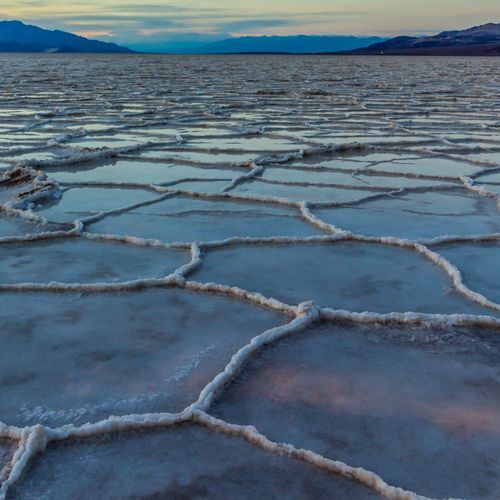
Some flowers appear in this desert every spring, but a true superbloom of gold, purple and white comes only about once a decade, after evenly spaced winter rains, spring sun and little wind. Bloom time climbs with elevation: mid-February to mid-April low down, early April to early May at middle elevations, and early May to mid-July up high. Drive the washes for golden evening primrose and notch-leaved phacelia, and check the park's seasonal bloom outlook before committing.
8. Big Bend National Park
Texas
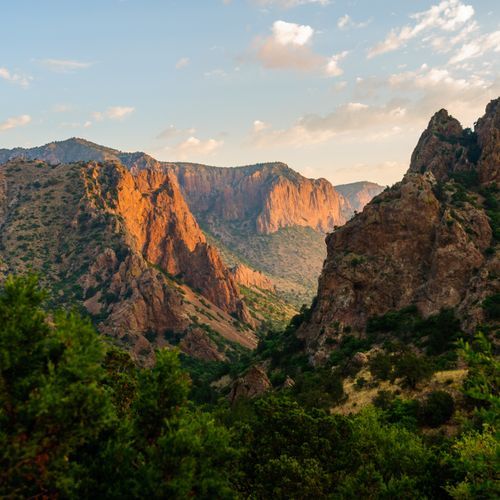
Bluebonnets grow along the roads here, sometimes white or pink as well as blue, while prickly pear, claretcup and pitaya cactus, ocotillo and yucca add color. Most desert plants flower from late February to late April, and some bloom again after July and August rains. Spring is also prime birding. Campgrounds and lodging often fill from mid-January to mid-April, so book ahead. By May the desert tops 100°F, though the Chisos Mountains run 10 to 15 degrees cooler.
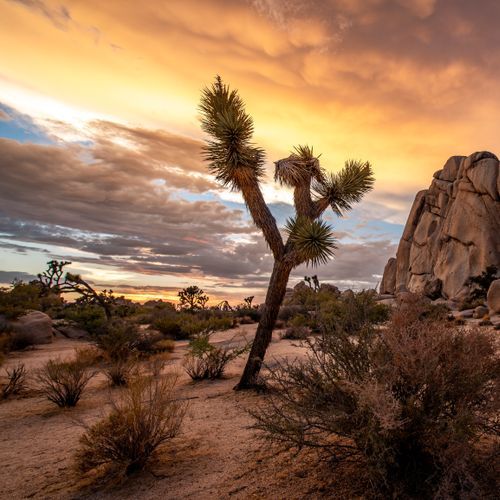
9. Joshua Tree National Park
California
Elevation spreads the season out. Blooms start in February in the Pinto Basin and near the south entrance, then move to higher valleys and canyons around Jumbo Rocks, Indian Cove and Hidden Valley from early March to early May, with desert dandelion, globemallow, brittlebush and paintbrush. Slopes above 5,000 feet can flower into June. Mass blooms follow heavy winter rain, roughly every 5 to 10 years. After summer monsoons, goldenbush and desert willow flower into fall.
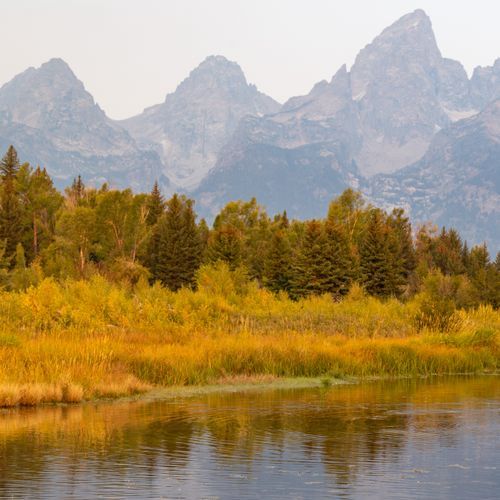
10. Grand Teton National Park
Wyoming
Over 1,000 vascular plant species grow across a 7,000-foot range of elevation, from sagebrush flats and wetlands like Willow Flats to alpine tundra. Valley trails melt out first and bloom early in summer. Higher routes toward Lake Solitude, Paintbrush Divide and Static Peak Divide often keep snow into July, and the Paintbrush-Cascade Loop calls for snow experience and proper gear. In the off-season, roughly November to April, campgrounds close and many roads and facilities shut or cut hours.
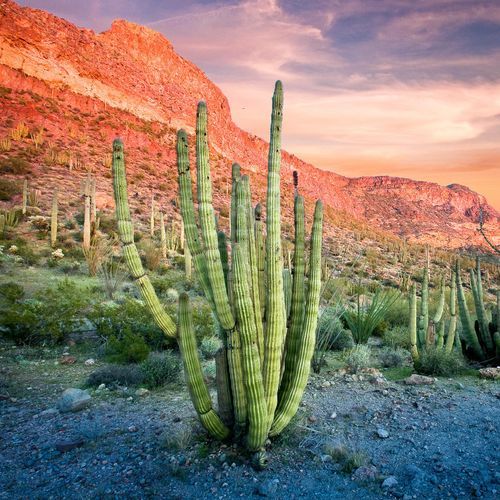
11. Organ Pipe Cactus National Monument
Arizona
Mexican gold poppies spring up across this monument in early spring, and after a wet winter they can turn whole hillsides gold. The bloom season runs from February to mid-April, as daytime temperatures climb into the 70s and 80s. The Sonoran Desert gets two rainy seasons, so something flowers almost every season. The namesake organ pipe cactus blooms in May and June, opening creamy flowers only at night for lesser long-nosed bats and closing again by mid-morning.
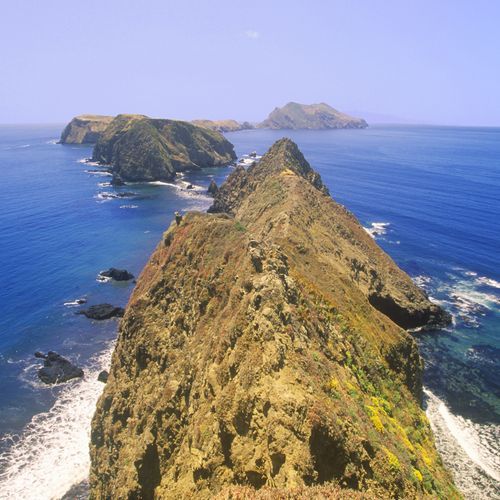
12. Channel Islands National Park
California
Giant coreopsis turns these islands bright yellow, usually peaking from late January through March. San Miguel, Anacapa and Santa Barbara offer the best displays, and islands farther east and south tend to bloom earlier. Santa Barbara Island shows native plants recovering, with gumplant, buckwheat, poppies and verbena still flowering in summer. Seals and sea lions haul out near Landing Cove. Gray whales pass from late December into April, overlapping with the coreopsis bloom.
Best parks by month
Best parks by theme
- Big Trees
- Tide Pooling
- Epic Hikes
- Geologic Wonders
- Human History
- Wildlife Watching
- Birding
- Dark Skies
- Waterfalls
- Volcanic Landscapes
- Geysers & Hot Springs
- Caves
- Glaciers
- Sand Dunes
- Canyons
- Mountain Majesty
- Desert Landscapes
- Beaches
- Snorkeling & Diving
- Paddling
- Scenic Drives
- Fall Color
- Winter Adventures
- Wild & Remote
- Great with Kids
- Fossils