
Best National Parks to Visit in February
February splits the map in two. In the snowy north and the high country it is deep winter, when guided snowcoaches cross Yellowstone and ice roads open at Voyageurs. Farther south, desert parks and the Everglades are in their best season, with mild days for hiking and wildlife at its easiest to see. Winter roads and trails can change quickly, so check current conditions before setting out.
1. Yosemite National Park
California
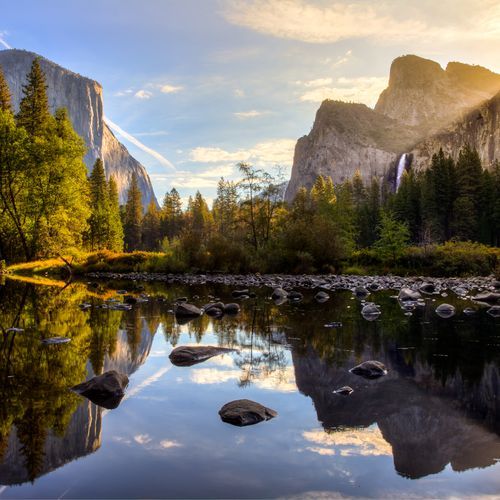
For two weeks in mid to late February, sunset can turn Horsetail Fall, a winter waterfall on El Capitan's eastern edge, a deep orange. It needs clear skies and enough flow, so many evenings pass without it, and crowds are large. Expect cold, snowy weather. Yosemite Valley stays reachable, but Tioga Road is closed east of Crane Flat and Glacier Point Road ends at Badger Pass. Mariposa Grove means a two-mile walk or snowshoe from the Welcome Plaza.
- High
- 41°F
- Low
- 21°F
- Rain
- 1.6 in
- Snow
- 36 in
- Year's visitors
- 4%
2. Yellowstone National Park
Idaho, Montana, Wyoming
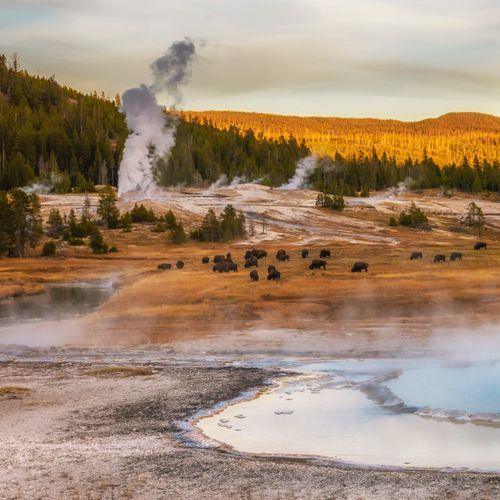
Deep snow, bitter cold and very few visitors define this month. The only road open to ordinary cars links the North and Northeast entrances, and wolf watching in Lamar Valley is a winter highlight. To go farther, you ride a commercial snowcoach or join a guided snowmobile tour, and daily entries are capped. Some trips stay overnight at Old Faithful. Coyotes and foxes hunt the snowy meadows, and dippers work the rivers that stay open.
- High
- 24°F
- Low
- 10°F
- Rain
- 0.0 in
- Snow
- 21 in
- Year's visitors
- 1%
3. Everglades National Park
Florida
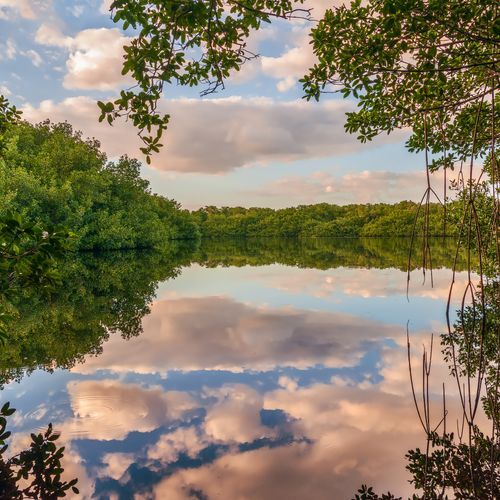
Mild, dry weather and fewer mosquitoes make this the core of the main visiting season, and wildlife is at its most plentiful. Herons, egrets and ibis crowd the mangroves alongside spoonbills and wood storks, while white pelicans circle overhead. Alligators, turtles and nesting birds are easy to spot along the trails. Visitor centers open daily, and rangers lead programs at every park entrance. At high tide, look for Reddish Egrets, Ospreys and Bald Eagles.
- High
- 78°F
- Low
- 64°F
- Rain
- 1.5 in
- Year's visitors
- 12%
4. Voyageurs National Park
Minnesota
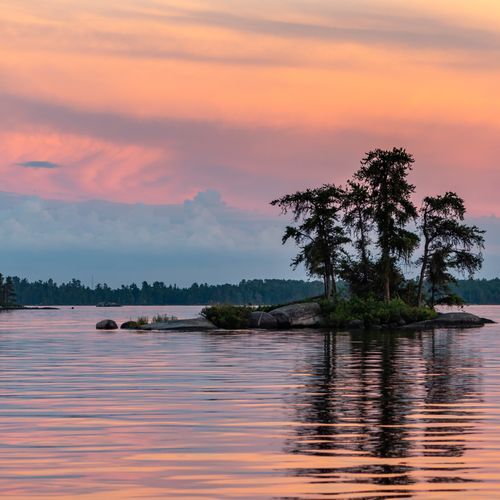
Once the lakes freeze, the park opens to travel over ice. Cars drive the ice road, snowmobile trails cross the lakes, trails become ski and snowshoe routes, and anglers settle into ice houses. Safe ice is most dependable in February and March, the best stretch for winter camping at the regular campsites, which still needs a permit. Cold is severe, so read the weekly Winter Trails Report and warm up at the Rainy Lake Visitor Center.
- High
- 16°F
- Low
- 0°F
- Rain
- 0.1 in
- Snow
- 8 in
- Year's visitors
- 2%
5. Death Valley National Park
California, Nevada
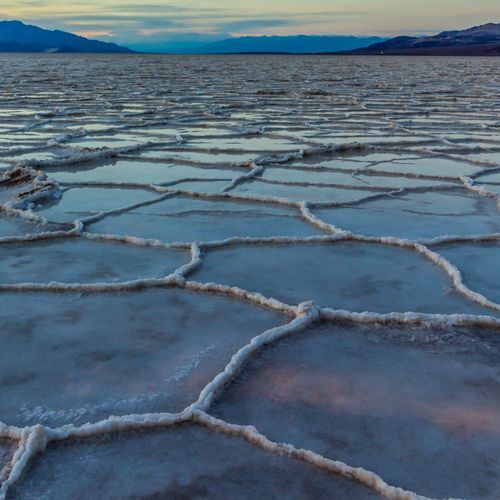
Cool days and chilly nights make this prime time for the low canyons and ridges, where most hikes are cross-country routes rather than built trails. Carry plenty of water anyway. The short accessible loop at Harmony Borax Works suits an easy outing, while snow usually caps Telescope Peak and the other high summits, which call for an ice axe and crampons. Presidents' Day weekend is busy, so reserve lodging or camping early. After rain, skip Racetrack Playa.
- High
- 64°F
- Low
- 48°F
- Rain
- 0.7 in
- Year's visitors
- 10%
6. Saguaro National Park
Arizona
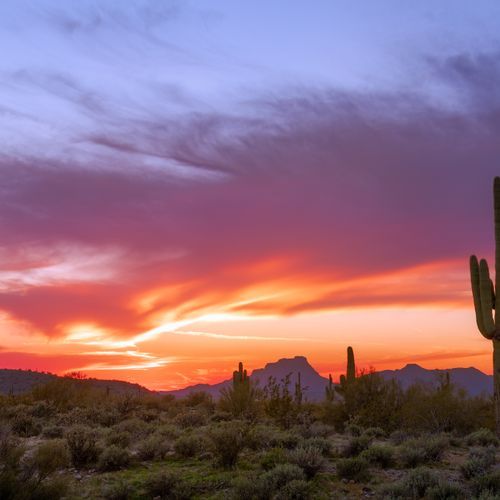
Peak season arrives with mild, dry days that make walking among the saguaros comfortable at any hour. On the east side, in the Rincon Mountain District, the Cactus Forest Loop Drive opens early in the morning and stays open into the evening, and the visitor centers keep their winter schedule. Wildflowers build toward a March peak, though the saguaros themselves do not bloom until May and June. Carry plenty of water even when it feels cool.
- High
- 67°F
- Low
- 43°F
- Rain
- 1.0 in
- Year's visitors
- 14%
7. Big Bend National Park
Texas
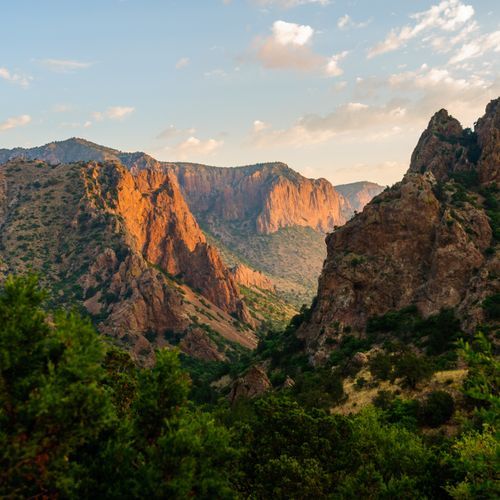
Weather here is mild and steadier than in March, and the spring break rush has not started, though some nights still freeze. The Chisos Mountains run cooler than the desert floor below. Even so, campgrounds and lodging often fill from mid-January through mid-April, and advance reservations are required, so book early and keep the itinerary flexible. Maps, trip planning help and backcountry permits are available at Panther Junction, home of the park headquarters.
- High
- 68°F
- Low
- 44°F
- Rain
- 0.4 in
- Year's visitors
- 9%
8. Indiana Dunes National Park
Indiana
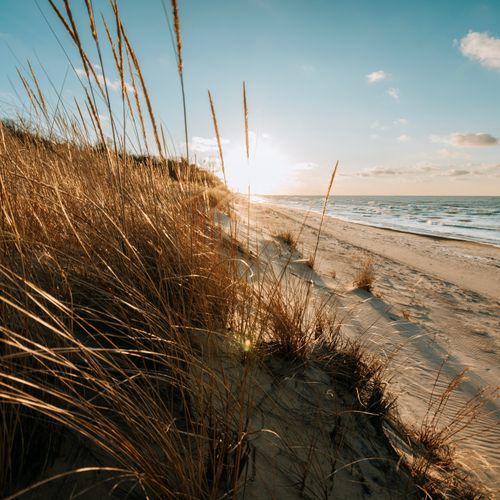
Drifting ice crashes together along the Lake Michigan shore and builds into ridges and mounds of shelf ice, usually at its fullest around now, though the amount changes from winter to winter. Look from the beach and never step onto it, because waves and currents keep moving underneath. Inland, the Cowles Bog, Paul H. Douglas and West Beach trails make good cold-weather hikes, often crossed by animal tracks in the snow. The Pinhook Bog Trail closes for winter.
- High
- 34°F
- Low
- 20°F
- Rain
- 1.7 in
- Snow
- 9 in
- Year's visitors
- 3%
9. Point Reyes National Seashore
California
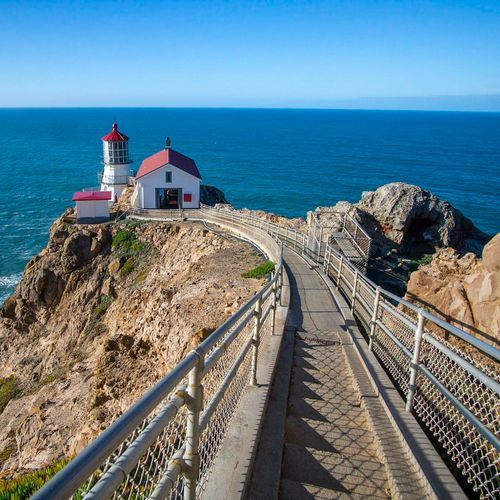
Elephant seal season is in full swing, with bulls fighting for beach space, pups being born and mothers nursing. Overlooks near Chimney Rock, above Drakes Bay, and at South Beach near the lighthouse parking lot give good views, and another colony sits beside the Kenneth C. Patrick Visitor Center. The bulls' trumpeting carries a long way. Expect cool, wet weather, with rain that can last days and muddy trails, broken by calm, sunny spells.
- High
- 57°F
- Low
- 45°F
- Rain
- 4.6 in
- Year's visitors
- 7%
10. Biscayne National Park
Florida
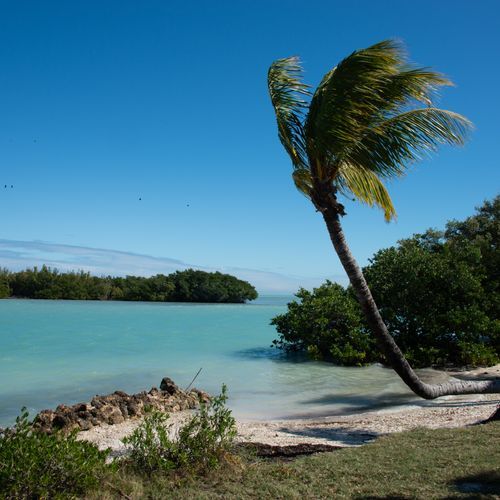
Mild, mostly dry weather marks this stretch of the dry season. Mosquitoes tend to be fewer than in the warmer months, but pack repellent for Elliott Key, Boca Chita Key and Jones Lagoon, where they can still be heavy. The water may feel cool for snorkeling, and passing fronts bring wind that can roughen the seas enough to rule out trips to the offshore reefs and shipwrecks, so leave a spare day in the plan.
- High
- 77°F
- Low
- 67°F
- Rain
- 1.8 in
- Year's visitors
- 8%
11. Bryce Canyon National Park
Utah
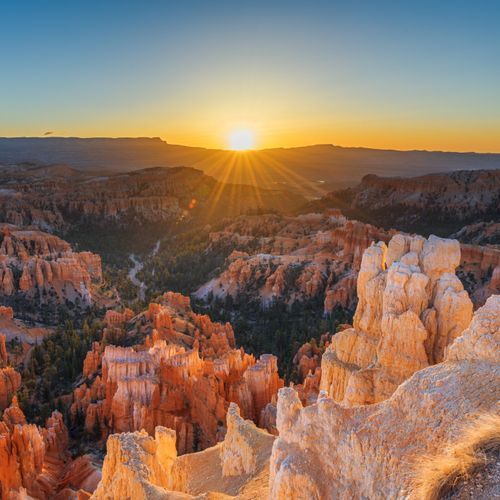
Snow settles on the red hoodoos and visitors thin out. Snowshoeing and cross-country skiing are the main draws, rangers lead snowshoe hikes when conditions allow, and Ruby's Inn rents gear and hosts a winter festival each February. Bring traction devices. Snow cornices shut the stretch of rim path from Inspiration Point to Bryce Point all winter, and after storms the road past mile 3 shuts while plows work, though Bryce Amphitheater stays open.
- High
- 34°F
- Low
- 16°F
- Rain
- 0.1 in
- Snow
- 10 in
- Year's visitors
- 2%
12. Mount Rainier National Park
Washington
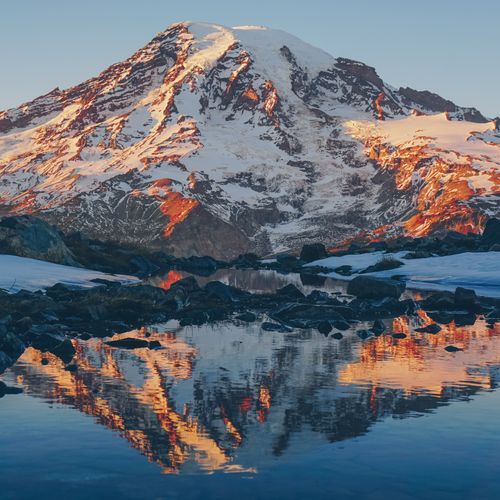
Deep snow buries the meadows at Paradise, where visitors snowshoe, ski, snowboard, sled and camp in the snow. On weekends and holidays, rangers lead first-come snowshoe walks from the Jackson Visitor Center. Expect cold, very snowy and wet weather. The road up from Longmire is plowed when possible, and its gate closes every night, so check road status before driving up. Snowmobiling is allowed in the park's southwest corner.
- High
- 33°F
- Low
- 22°F
- Rain
- 2.8 in
- Snow
- 65 in
- Year's visitors
- 1%
Parks are chosen for what's good there this month, which can be snow or quiet rather than the mildest weather, so a park's best-time page may rate other months higher. Weather is the park-wide average for the month, and visitors are the month's share of the park's year, from the data behind our guides. Conditions change, so check the park's NPS page before you go.
Best parks by month
Best parks by theme
- Big Trees
- Tide Pooling
- Epic Hikes
- Geologic Wonders
- Human History
- Wildlife Watching
- Birding
- Dark Skies
- Waterfalls
- Volcanic Landscapes
- Geysers & Hot Springs
- Caves
- Glaciers
- Sand Dunes
- Canyons
- Mountain Majesty
- Desert Landscapes
- Beaches
- Snorkeling & Diving
- Paddling
- Scenic Drives
- Fall Color
- Wildflowers
- Winter Adventures
- Wild & Remote
- Great with Kids
- Fossils