
Best National Parks for Kayaking and Canoeing
On these parks, the best views come from a boat. Trips range from an afternoon paddle to weeks on a remote river. A few hours on Congaree's Cedar Creek suits beginners. The Colorado River through Grand Canyon and the fly-in rivers of Gates of the Arctic demand early booking or real self-sufficiency. Most river and backcountry trips need a permit or reservation, and water levels shift, so check current conditions before you go.
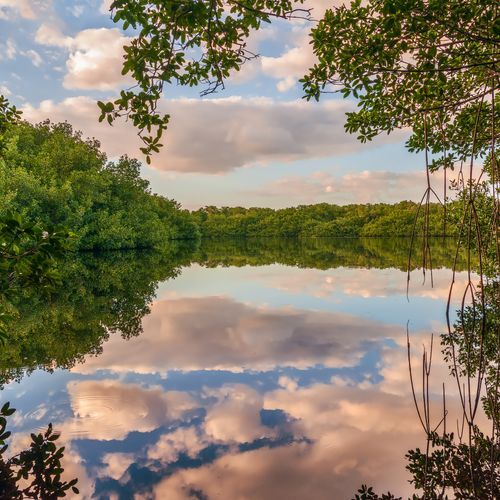
1. Everglades National Park
Florida
Paddling routes here run from a few hours to several days. They thread mangrove channels near Flamingo and the maze of the Ten Thousand Islands on the Gulf Coast. Rentals are available at Flamingo and from private outfitters in Everglades City, and permitted guides can outfit and lead longer trips such as the Wilderness Waterway. Guided outings on Florida Bay and Nine Mile Pond expect some prior paddling experience.
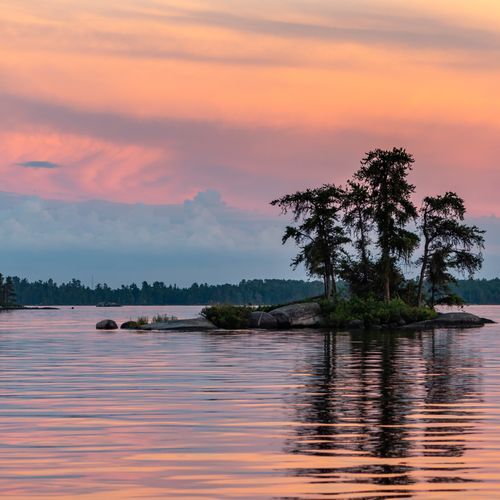
2. Voyageurs National Park
Minnesota
Most of this park is water, spread across Rainy, Kabetogama, Namakan, Sand Point and Crane lakes. The park rents no boats on those big lakes, so bring your own, rent nearby or book a water taxi. Houseboats from gateway companies let groups reach far corners without tent camping. For quieter water, hike the 2-mile Locator Lake Trail to reserved canoes and paddle to campsites on Locator, War Club, Quill or Loiten lakes.
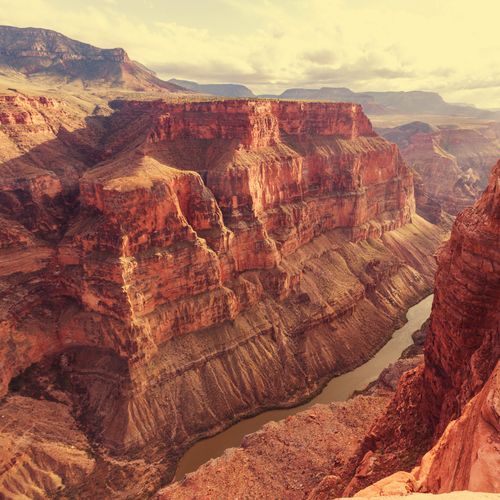
3. Grand Canyon National Park
Arizona
The classic river run launches at Lees Ferry and covers 226 miles to Diamond Creek. Commercial trips last from three days to about three weeks in motorized rafts, oar boats, paddle rafts or dories. Reserve roughly a year ahead; private trips go through a weighted lottery. With less time, a half or full day smooth-water float below Glen Canyon Dam stops at Petroglyph Beach to explore archaeological sites beneath sandstone cliffs.
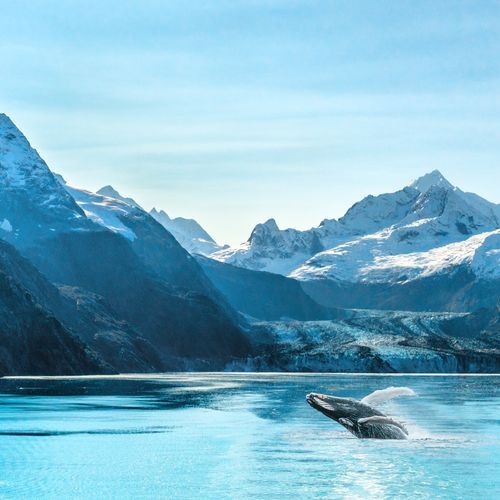
4. Glacier Bay National Park & Preserve
Alaska
Paddlers can launch straight from Bartlett Cove into the Beardslee Islands, where moose, seals and whales are common. Tides here swing as much as 25 feet and low water exposes mudflats, so plan around a tide table. The daily tour boat drops kayakers farther up the bay, including Muir Inlet, where summer limits on motorboats leave quiet water near McBride, Muir and Riggs glaciers. Book rentals and drop-offs well ahead.
5. Canyonlands National Park
Utah
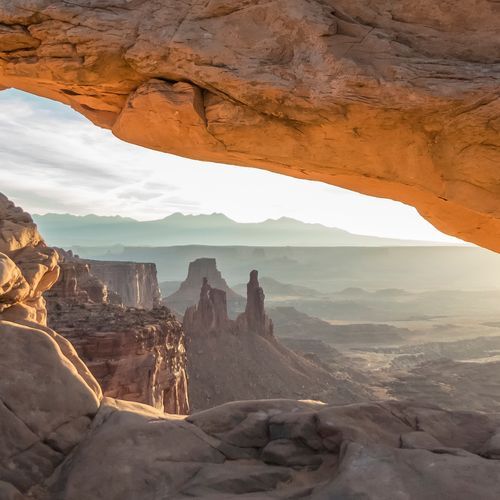
Above the Confluence, the Green and Colorado rivers move slowly enough for canoes and sea kayaks, and flatwater trips can run as far as Spanish Bottom. On the Green, common put-ins are Mineral Bottom, Ruby Ranch and the state park in the town of Green River, and paddlers often see only a few other parties a day. Below the junction, Cataract Canyon packs 14 miles of Class III to V rapids. Every river trip requires a permit.
6. Kenai Fjords National Park
Alaska
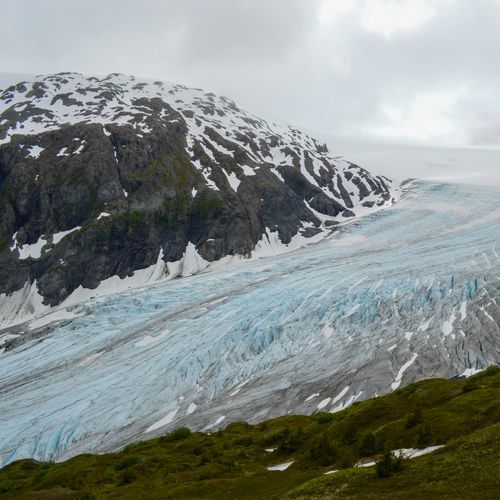
Aialik Bay leads paddlers toward Aialik Glacier, one of the more remote tidewater glaciers in the fjords. The route crosses open water with few backcountry amenities. Dress for immersion with a dry suit, PFD, hat and gloves, and keep a safe distance from the ice face. Practice self-rescue beforehand and carry a survival kit with warm layers, food, water and a fire starter. A guide simplifies logistics.
7. New River Gorge National Park & Preserve
West Virginia
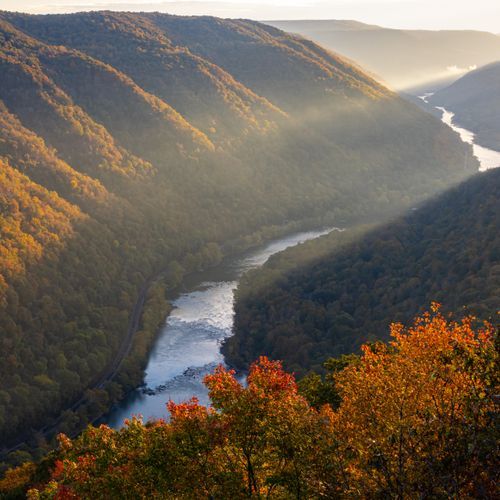
Fifty-three miles of free-flowing river pass through the park between Bluestone Dam and Hawks Nest Lake. The upper, southern stretch mixes long pools with rapids up to Class III, a good start for first-timers. The Lower Gorge runs Class III to V. Licensed outfitters supply guides, gear, shuttles and meals, mainly April through October. The Gauley's steep, technical rapids suit experienced rafters, with its main season beginning in early September.
8. Channel Islands National Park
California
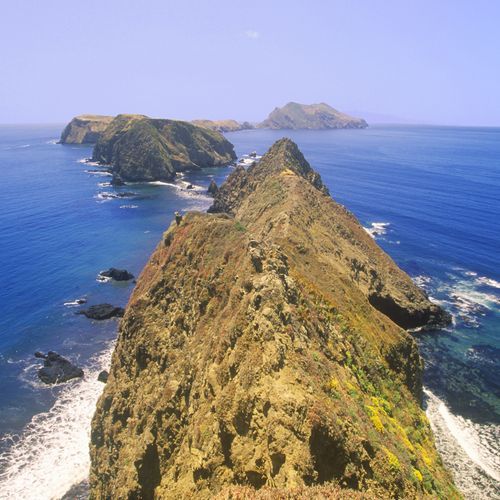
Sea caves along Santa Cruz Island draw paddlers to Scorpion Anchorage, the only launch point for the park's guided kayak tours. Tours run about two and a half to four hours and include a helmet, wetsuit and life vest. Nearby caves range from Elephant's Belly, which passes through to a larger opening, to the deep Cavern Point Cave. Independent kayakers need sea kayaks, helmets and a VHF radio, and should expect cold water year-round.
9. Gates Of The Arctic National Park & Preserve
Alaska
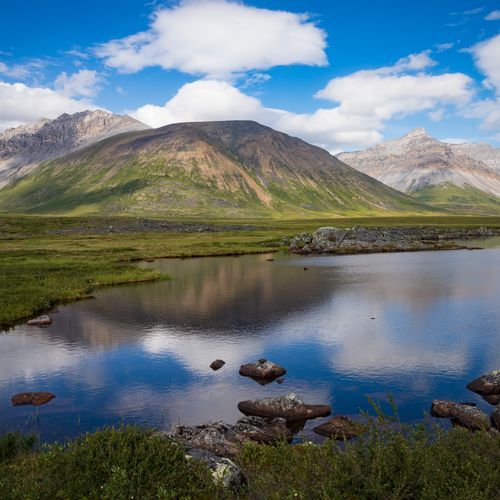
No road or trail enters this park, so river trips begin with a flight from Fairbanks to Bettles, Anaktuvuk Pass or Coldfoot, then an air taxi drop-off. Six of the rivers are designated Wild Rivers, including the Tinayguk. Most parties carry packrafts, inflatable canoes or folding boats that fit small planes. Water is mostly Class I and II, but cold temperatures, shifting levels and logjams demand full self-sufficiency.
10. Isle Royale National Park
Michigan
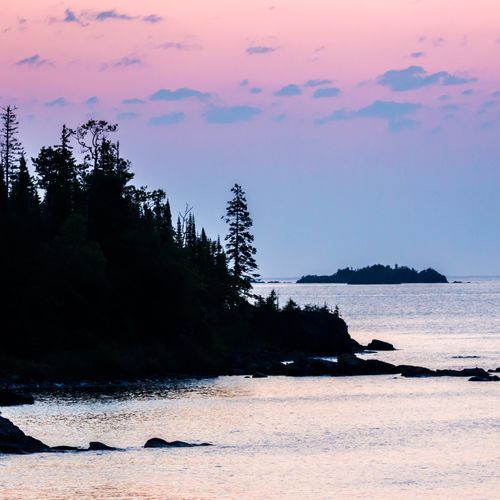
Canoe routes on the northeast half of the island link inland lakes and sheltered Lake Superior inlets. Portage length varies from very short carries to multi-mile hauls, each marked with a post bearing a P. Portaging devices are not allowed, so gear is carried. Many paddlers cross the island between Chippewa Harbor on the south side and McCargoe Cove to the north. Reserve boat space on the seasonal ferry, and avoid the exposed northwest coast.
11. Big Bend National Park
Texas
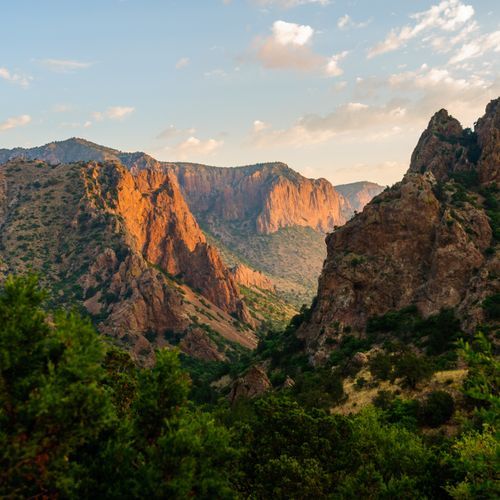
Mariscal and the other Rio Grande canyons rise as much as 1,500 feet above the water, so deep that winter sun reaches the bottom only briefly. A float can be a short half-day outing or stretch past a week, and novices can manage a canoe or kayak here. Watch for beavers, red-eared sliders and green kingfishers. Every river trip needs a backcountry permit, and levels vary, so confirm the water is neither too low nor too high.
12. Congaree National Park
South Carolina
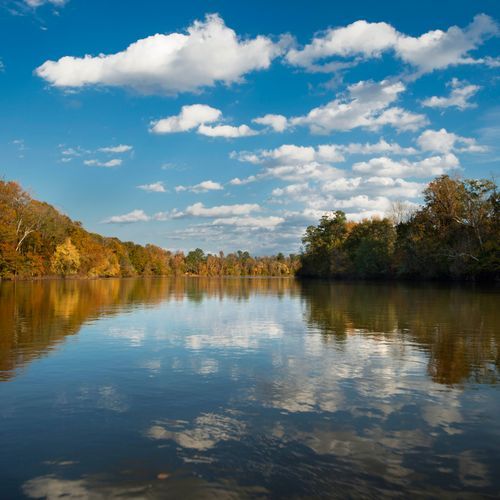
Fifteen miles of marked canoe trail follow Cedar Creek from Bannister's Bridge through old-growth forest to the Congaree River. Paddlers with one car can put in at South Cedar Creek Landing and explore upstream or down among tall bald cypress. Watch for river otters and the occasional alligator. Bring a boat or arrange one from an outfitter. Low or high water can force portages, so check creek conditions first. Ranger-led canoe trips run in spring and fall by reservation.
13. Biscayne National Park
Florida
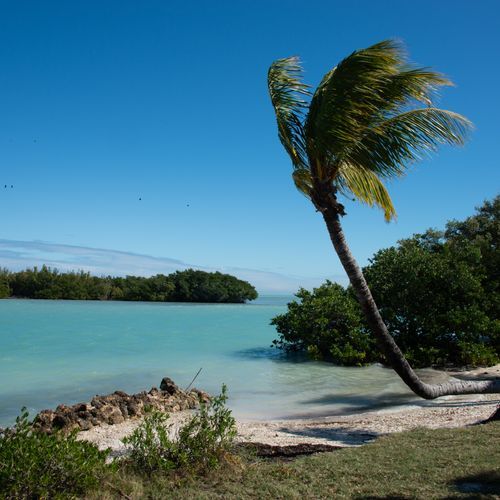
From the ramp at Convoy Point, paddlers can trace the mangrove shoreline of the mainland. Experienced kayakers cross seven miles of open bay to Elliott or Boca Chita Keys. Camping on the islands opens up the lagoons and narrow waterways below Caesar Creek, much of it too shallow for motorboats. In Jones Lagoon, look for rays, upside-down jellyfish and wading birds, and stay at least 300 feet from the bird rookery.
14. Grand Teton National Park
Wyoming
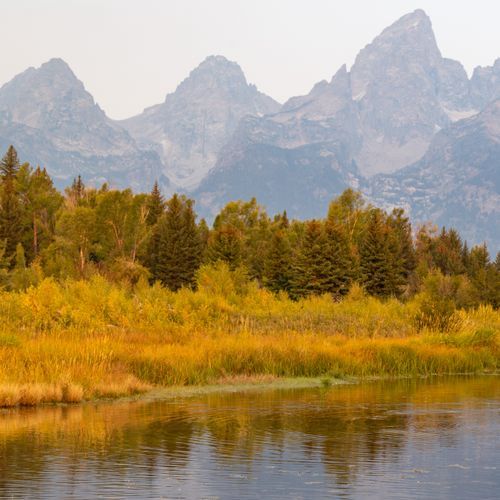
String Lake is shallow and easy to paddle, and a portage leads on to Leigh Lake, which no road reaches. Parking there is limited. On Jenny Lake, rented canoes and kayaks can carry you to the west dock to hike toward Hidden Falls. The Snake River passes moose and beaver habitat, but its braided channels shift every year, so float it only with experience or a guide. Boats require permits.
Best parks by month
Best parks by theme
- Big Trees
- Tide Pooling
- Epic Hikes
- Geologic Wonders
- Human History
- Wildlife Watching
- Birding
- Dark Skies
- Waterfalls
- Volcanic Landscapes
- Geysers & Hot Springs
- Caves
- Glaciers
- Sand Dunes
- Canyons
- Mountain Majesty
- Desert Landscapes
- Beaches
- Snorkeling & Diving
- Scenic Drives
- Fall Color
- Wildflowers
- Winter Adventures
- Wild & Remote
- Great with Kids
- Fossils